
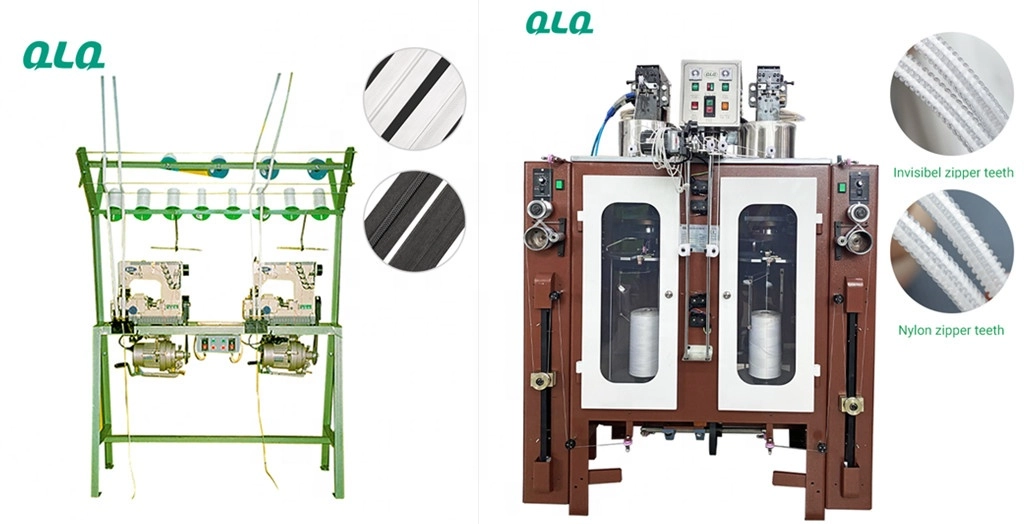
A recurring fault is a design failure, not bad luck: the same bearing, the same valve, the same trip returning means the root cause was never removed. The senior traces reliability.
This senior guide covers reliability tracing for recurring equipment faults.
Common Mistakes and How to Avoid Them
The pitfalls that show up most often in real projects, with the cause and the practical fix.
| Mistake | Why It Happens | Practical Fix |
|---|---|---|
| 1. Same fix repeated | Fault returns | Trace the history |
| 2. Symptoms only fixed | Root cause remains | Find the cause |
| 3. No history log | Trace impossible | Log every repair |
| 4. Blame the part | Design cause | Check the application |
| 5. One change only | Cause unproven | Test and verify |
| 6. Repairs rushed | Return faster | Do it once, right |
| 7. Environment ignored | Cause repeats | Check the conditions |
| 8. No reliability review | Patterns hidden | Monthly review |
Best Practices That Hold Up in Production
The operating disciplines that separate a reliable line from a reactive one.
- Trace the repair history
- Find one proven root cause
- Fix the cause, not the symptom
- Verify the fix in service
- Keep a reliability log
Implementation Roadmap
A practical sequence that can be adapted to your own project.
Process Flowchart
Reliability trace flow
A step-by-step sequence with notes and cautions so every shift follows the same order.
- A repeat fault is a design failure.
- The reliability log is the memory.
- Never rush a repair back to the line.
- Check the environment with the part.
Working Data & Formula Notes
Reliability data
Reference values for reliability tracing.
| Component / Parameter | Working Value / Role | What Changes Mean (annotation) |
|---|---|---|
| History | Per equipment | Trace needs data |
| Pattern | Same fault | Design failure |
| Cause | One proven | Fix the cause |
| Verify | In service | Proof of the fix |
Reference Data
Specifications and references cited in this guide. Confirm final parameters with your line supplier.
Reliability record
| Equipment | Fault | Times | Root cause | Fix |
| Pump 2 | Seal leak | 3 | Wrong seal | Upgraded |
| Heater 1 | Trip | 4 | Scale | Descale plan |
| Valve 3 | Stick | 2 | Contamination | Filtered |
Implementation Cases
Case 1 - a seal that failed three times
Situation. A pump seal failed three times with the same fix; the seal was wrong for the application.
Approach. The history was traced, the seal was upgraded, and the fix was verified in service.
Outcome. The fault did not return; the reliability log records the change.
Case 2 - trips that were scale, not electronics
Situation. A heater tripped repeatedly and controllers were replaced twice; scale was the root cause.
Approach. The element was descaled, a descale plan was set, and the trip stopped.
Outcome. No more trips; the cause was removed, not the symptom.
Frequently Asked Questions
Why is a repeat fault a design failure?
The same fault returning means the root cause was never removed.
How do I trace it?
Pull the repair history and find the pattern.
Why fix the cause, not the symptom?
Symptom fixes return; cause fixes end.
Why check the application?
The part and environment often are the cause.
Why one proven cause?
Guessed causes fail again.
Why verify in service?
The service trial is the proof of the fix.
Why a reliability log?
The log is the memory that makes tracing possible.
How often review?
Monthly, looking for patterns across equipment.
Who owns the log?
Maintenance engineering, with technicians feeding repairs.
What Would You Like to Solve?
Tell us the repeat fault and its history. We can help trace the pattern, find the root cause and build the reliability log for your line.
Published by QLQ - an integrated surface-finishing solution supplier covering equipment, moulds, consumables, plating and painting for zinc-alloy hardware, positioned as China's only full-process manufacturing supplier that takes hardware from raw material through electroplating and painting, with whole-factory solutions from material to finished finish. Values cited are project references; confirm with your line supplier before specification.