
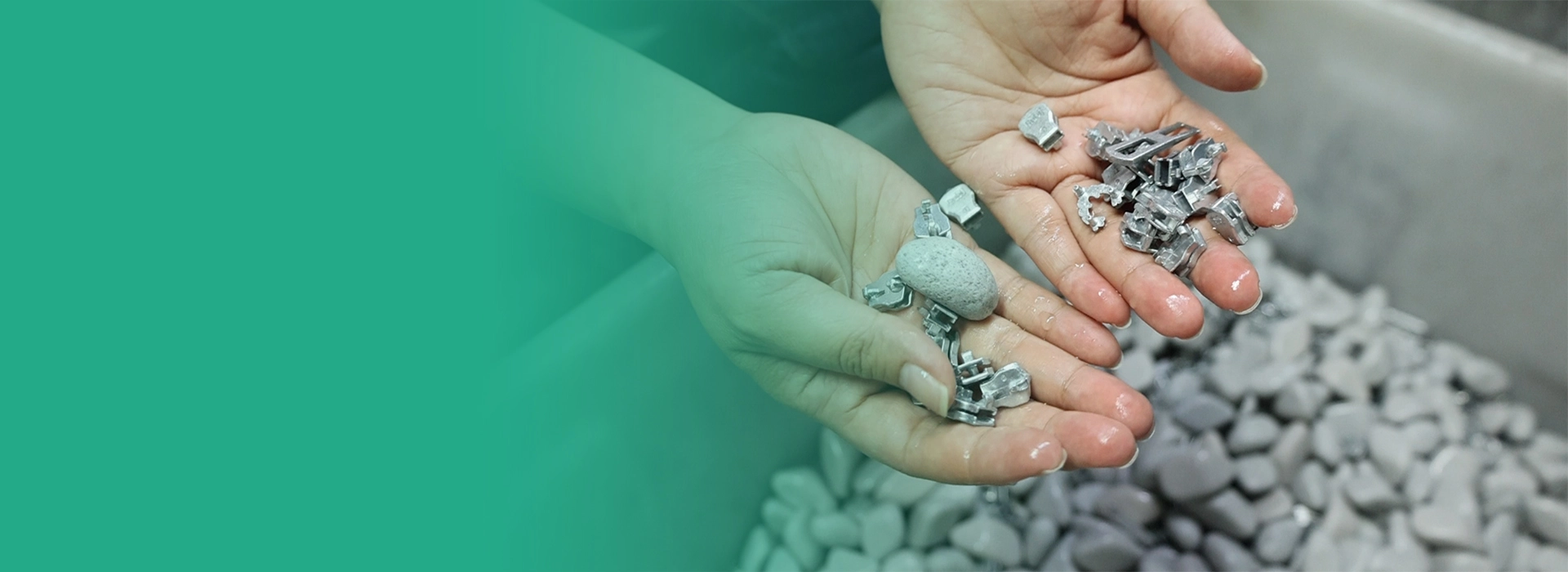
Barrel Plating Pretreatment: Barrel Burnishing, Degreasing & Activation
Mass-processing pretreatment for small parts — barrel burnishing at 40-50 rpm, 50-70% loading, alkaline degreasing pH 10-12, and acid activation. Batch consistency is key.
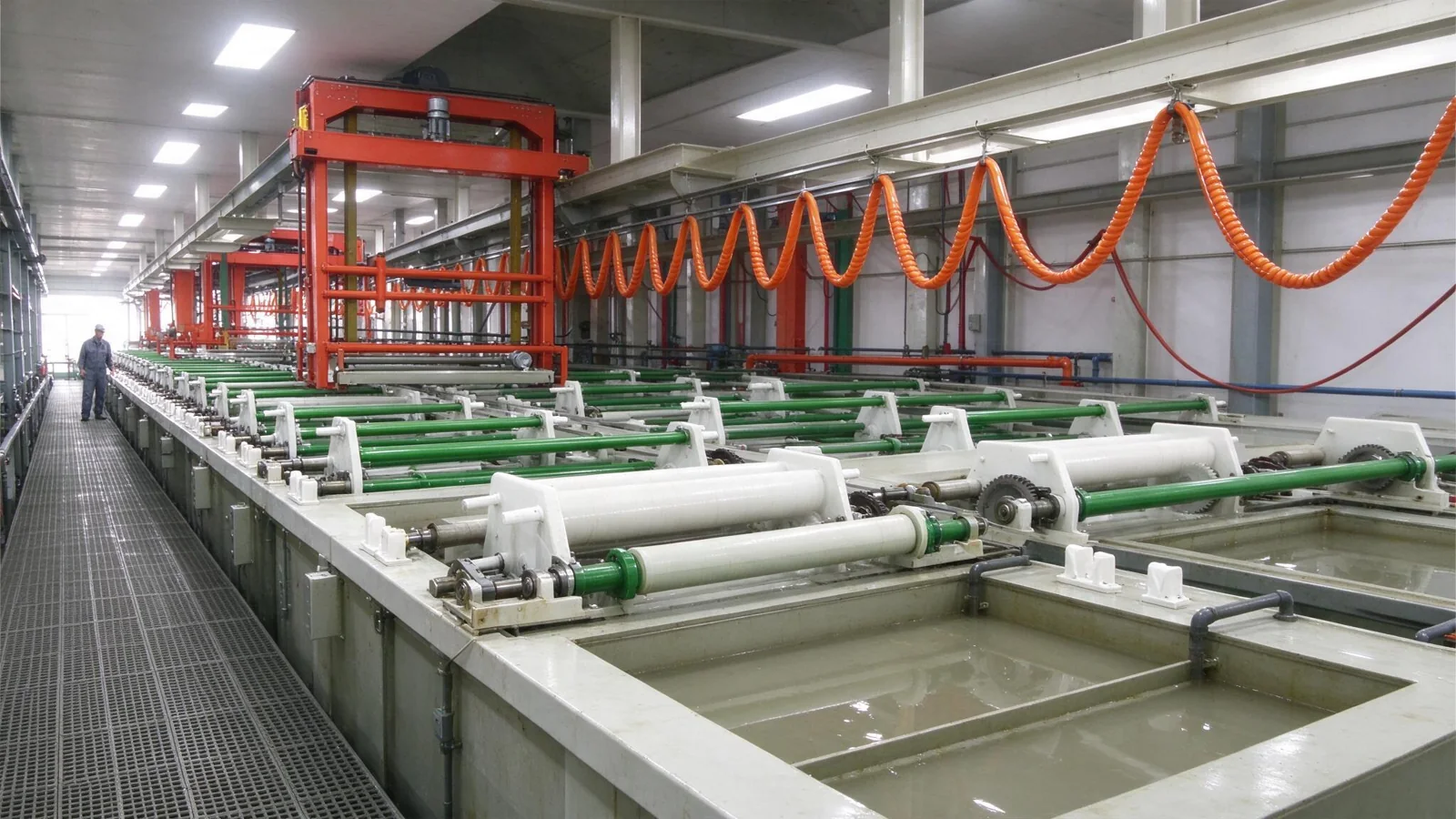 Conceptual illustration based on reference photographs; not test evidence.
Why Pretreatment Matters in Barrel Plating
In barrel plating, every part shares the same bath — batch consistency starts here
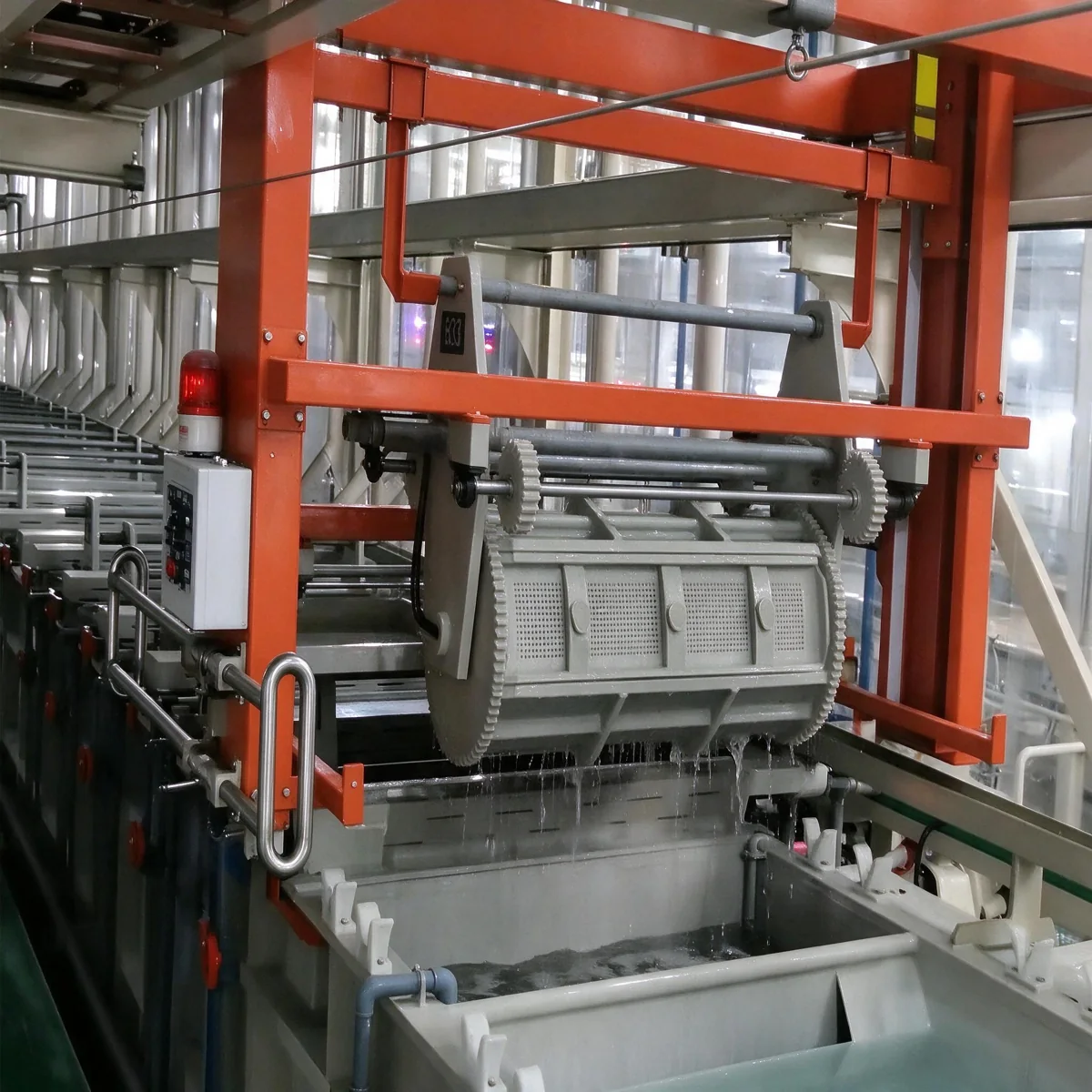 Conceptual illustration based on reference photographs; not test evidence.
Batch Uniformity
Consistent results across thousands of parts
Barrel Burnishing
50-70% load, 40-50 rpm
Alkaline Degreasing
pH 10-12 cuts oils & residues
Acid Activation
Removes oxides for strong adhesion
Barrel vs Rack — Pretreatment Comparison
How barrel pretreatment differs from rack for small parts
| Factor | Barrel Plating | Rack Plating |
|---|---|---|
| Part size | Small parts (screws, nuts, small sliders) | Large parts (zipper sliders, buckles, frames) |
| Loading method | Bulk in rotating barrel (50-70% fill) | Individually racked on fixtures |
| Surface contact | Part-to-part contact during tumbling | No part contact, fully exposed |
| Current density | 0.5-1.5 A/dm² | 1-3 A/dm² |
| Throughput per batch | 10,000-50,000 pcs/barrel | 200-2,000 pcs/rack load |
| Cost per part | Lower (mass processing) | Higher (individual handling) |
| Finish uniformity | Good for non-critical surfaces | Excellent for decorative surfaces |
Barrel Pretreatment Process (5 Steps)
Surface prep for 10,000+ small parts per barrel — every step optimized for bulk batch consistency
1Barrel Burnishing / Tumbling
Load small parts into rotating barrels with abrasive media. The tumbling action deburrs, rounds edges, and smooths surfaces.
2Alkaline Degreasing
Immerse barrel in alkaline solution pH 10-12 to remove oils, greases and residual polishing compounds. The barrel rotation ensures every part surface is contacted.
3Multi-Stage Rinsing
Counter-current rinse system removes degreasing residues. Critical for preventing carry-over into the acid bath.
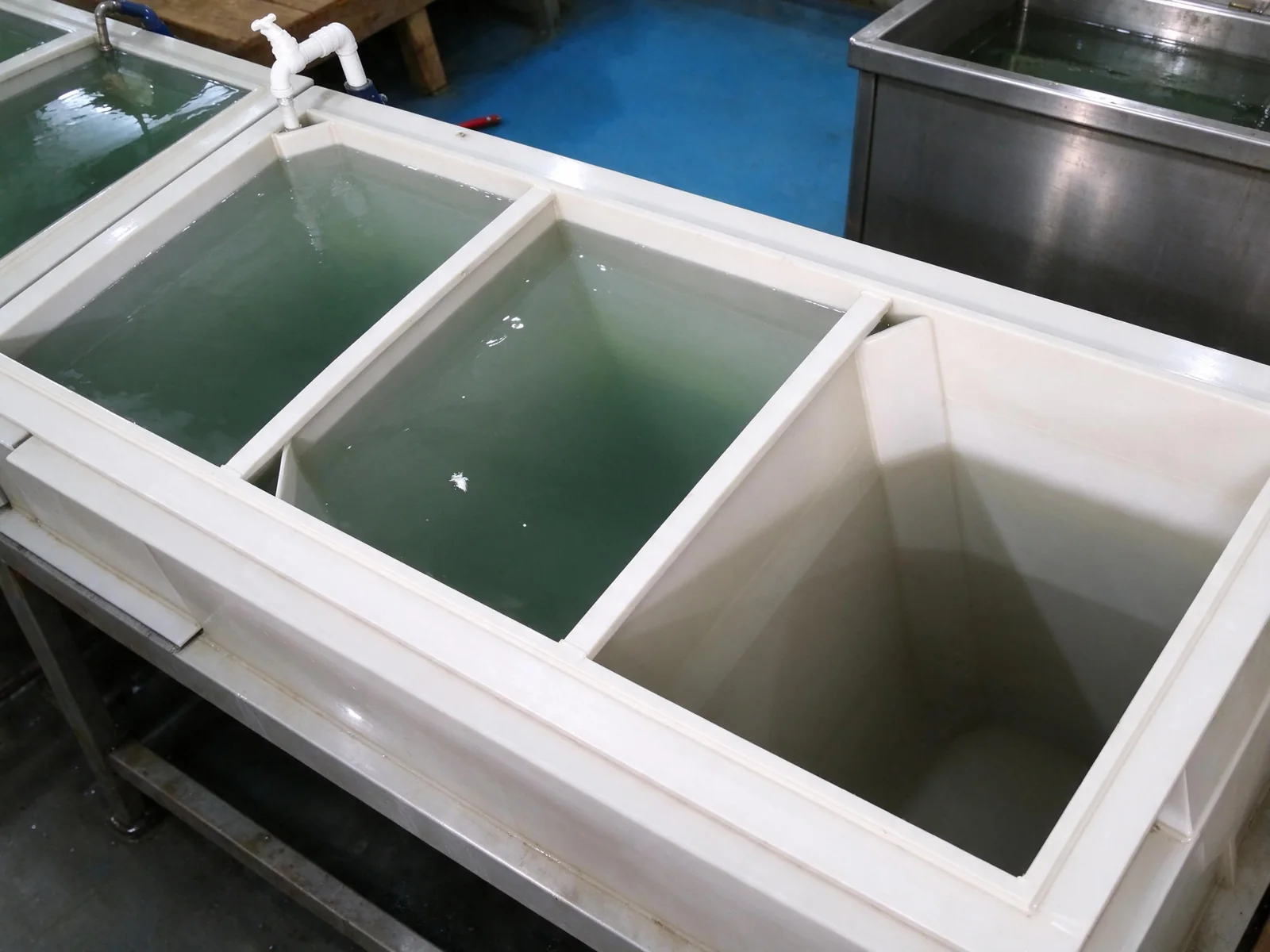 Conceptual illustration based on reference photographs; not test evidence.
4Acid Activation / Pickling
Dilute acid removes surface oxides and activates the metal surface for plating. Zinc alloy parts re-passivate within 30-60 seconds — fast transfer is critical.
5Final Rinse & Transfer
Quick DI rinse after activation, then immediate transfer to the first plating bath. On barrel lines, the barrel itself travels from tank to tank.
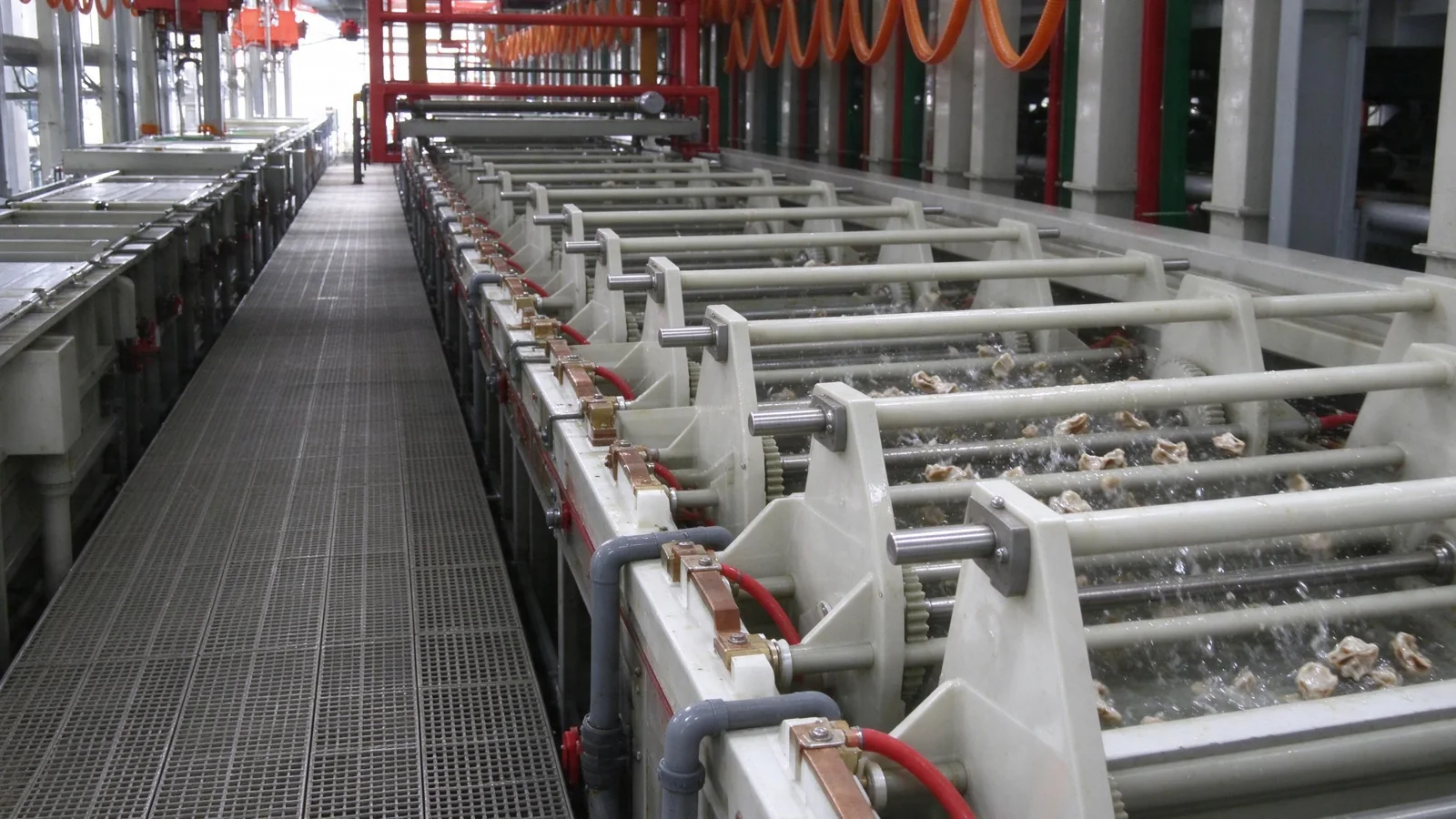 Conceptual illustration based on reference photographs; not test evidence.
Abrasive Media Selection Table
Choose by target surface roughness — rough deburring vs fine polishing
| Media Type | Size | Application | Cutting Power | Surface Result |
|---|---|---|---|---|
| Aluminum oxide stones | 3-8 mm | Rough deburring, heavy edge rounding | ★★★★★ | Matte finish |
| Ceramic triangles | 2-5 mm | Medium deburring, smoothing | ★★★★☆ | Semi-bright finish |
| Nylon pyramids | 2-3 mm | Fine polishing, surface brightening | ★★★☆☆ | Bright finish |
| Steel balls | 1-4 mm | Burnishing, compressive stress | ★★☆☆☆ | Mirror-like finish |
| Organic (walnut/corn) | 1-3 mm | Final dry polishing, delicate parts | ★★☆☆☆ | Clean dry surface |
📌 Pretreatment Cheat Sheet
FAQ
What is the ideal barrel load for pretreatment?
Can I use the same media for different metals?
How often should I replace the alkaline degreasing bath?
Why are my parts discoloring after pretreatment?
What is the fastest way to troubleshoot poor adhesion?
Barrel Line Animation — Tumbling Through the Process (12s Cycle)
Animated schematic — reduced-motion users see a static layout.
One-Stop Line Supply — Common Buyer Questions
Can QLQ supply the pretreatment stage and the barrel plating line together, instead of just a cleaning machine?
Yes, QLQ can supply pretreatment cleaning equipment and barrel plating equipment as part of a coordinated line solution. The supply scope also includes tumbling media for mechanical surface preparation where needed, plus cleaning agents and barrel chemicals selected for your parts and plating process. See our turnkey surface treatment line supply overview for equipment, chemicals and process support.
Can I buy the tumbling media and pretreatment chemicals from the same supplier as my barrel plating equipment?
Yes, QLQ supplies tumbling media, pretreatment cleaning agents and barrel chemicals alongside barrel plating equipment. Share your part material, surface condition and target finish so the proposed consumables can be reviewed against your process requirements. Explore our one-stop equipment and chemicals supply to plan these purchases together.
I'm setting up a new barrel plating workshop; can QLQ help me plan the pretreatment process and train my operators?
Yes, QLQ provides line planning, installation and commissioning, operator training and process support. Planning can cover pretreatment cleaning equipment, barrel plating equipment, tumbling media where required and barrel chemicals, with the final scope confirmed against your parts and production needs. Visit our turnkey surface treatment lines hub to discuss your workshop layout and supply requirements.
Get a Free Quote Today
Send us your samples or drawings — our engineers reply within 24 hours with pricing and technical advice.
Contact QLQ