Hand-Polishing
Definition
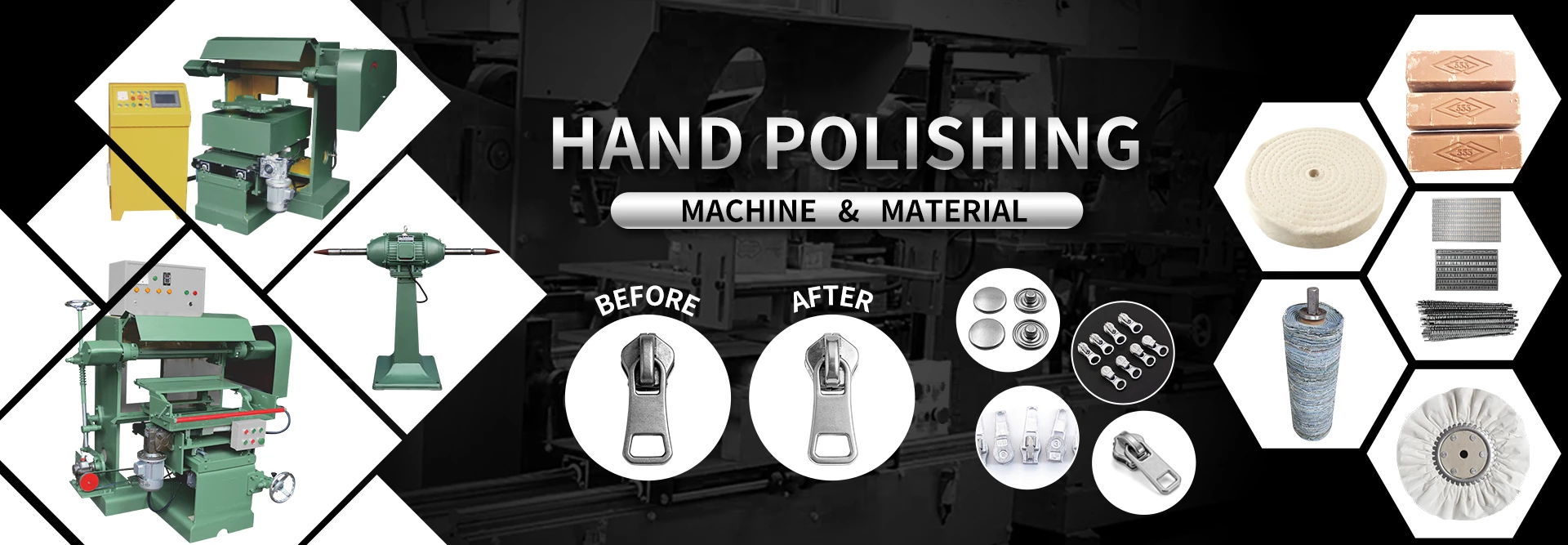
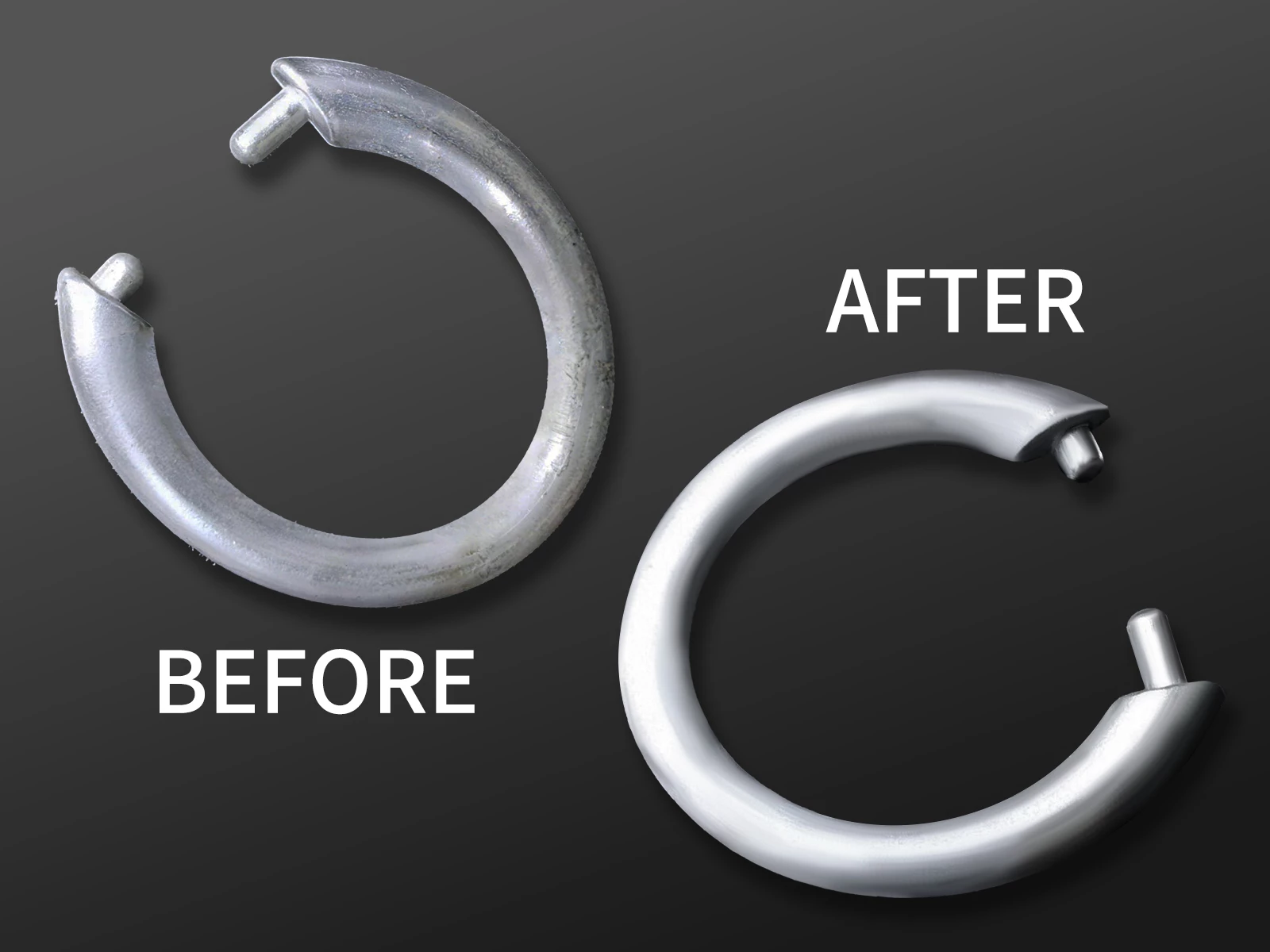
Hand-polishing refers to a pretreatment process that uses manual operation of polishing tools combined with abrasive media or polishing paste to perform physical grinding on the surface of zinc alloy zipper sliders and luggage accessories. Its core purpose is to remove surface defects of workpieces, improve surface finish, and provide a uniform and clean substrate for subsequent barrel plating
1. Core Overview
Key Characteristics of Hand Polishing
 High flexibility
 High controllability
 Suitable for soft substrates
 Controllable cost
2. Equipment Selection
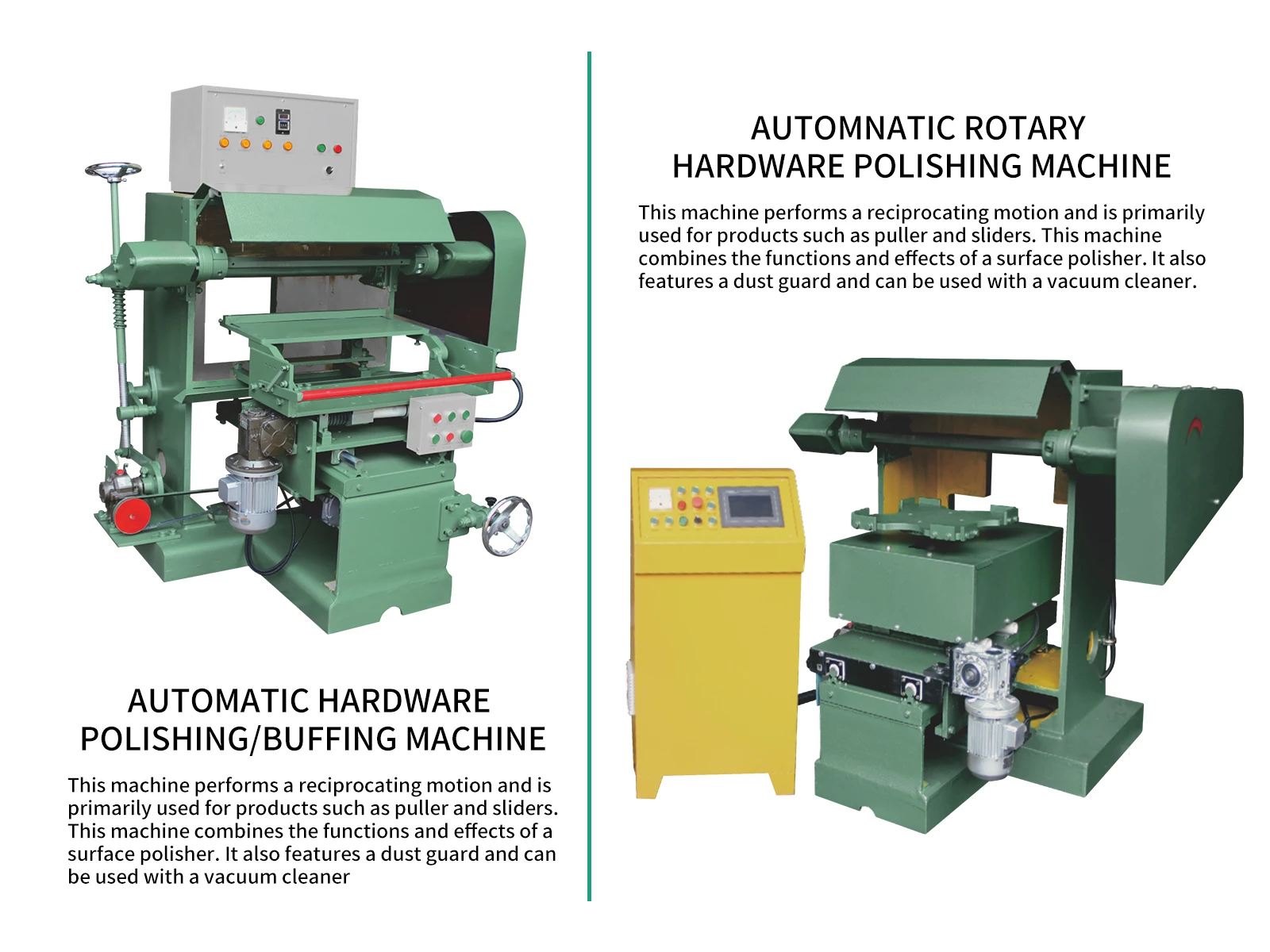
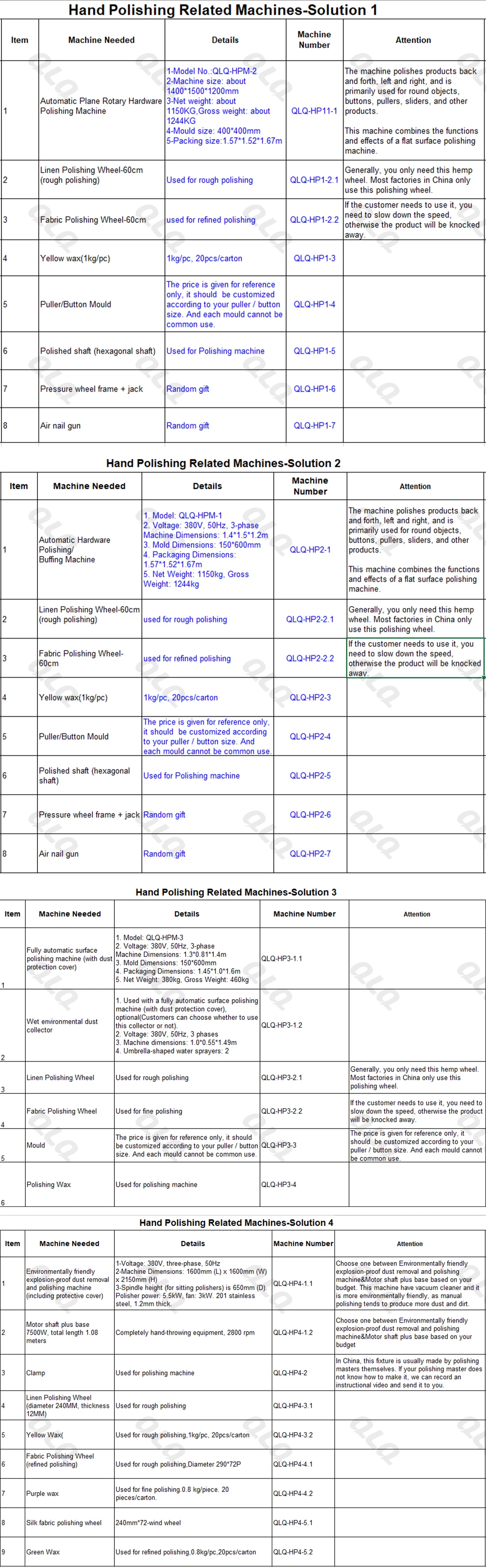
2.1 Automatic Hardware Polishing/Buffing Machine
Applicable Polishing Stage: Rough Polishing, Medium Polishing Supporting Tool Parameters: Grinding Wheel: Diameter 125mm, Grit 40-80 Mesh; Cloth Wheel: Diameter 125mm, Medium Hardness
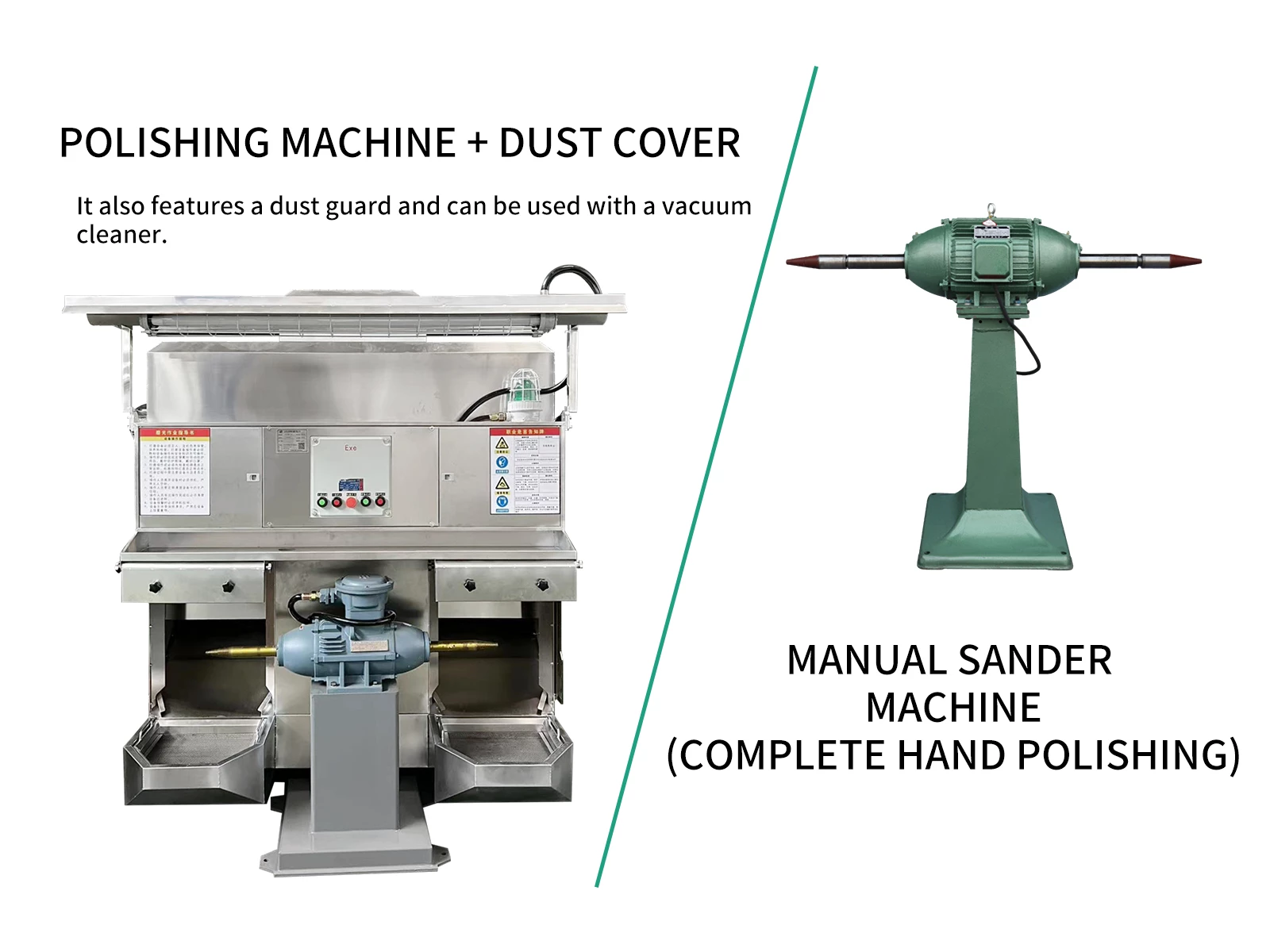
2.2 Polishing Machine with Dust Cover
Supporting Tools: Dual Cloth Wheels (Diameter 200mm), Can Install Rough/Finish Polishing Wheels Simultaneously Applicable Scenarios: This machine used for products such as puller and sliders.
3. Key Materials
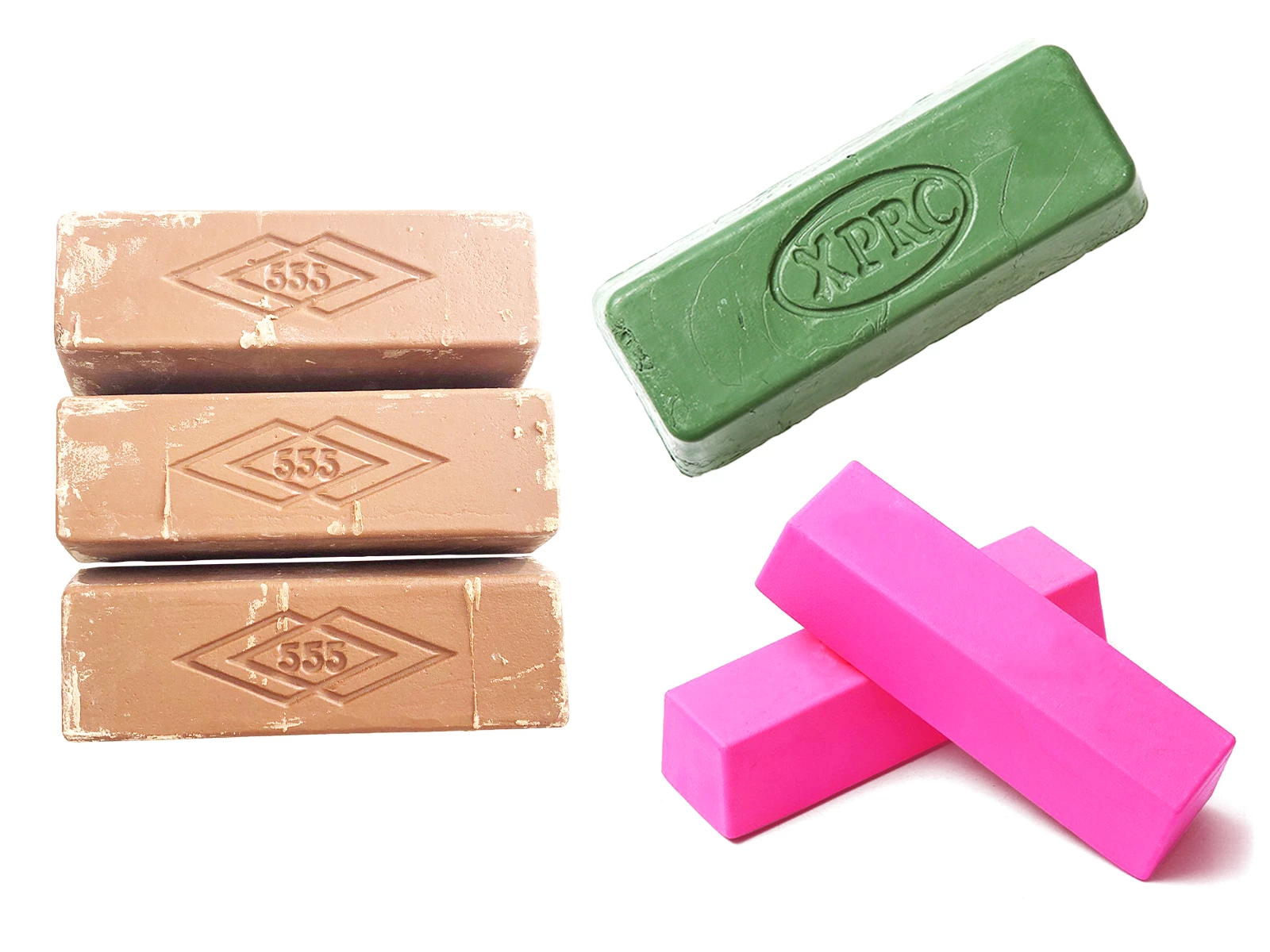
3.1 Polishing Wax
① Rough Polishing: Yellow Wax Wax Type: Coarse-grained wax Recommended Proportion:40%–50% ② Fine Polishing:Purple Wax Wax Type: Medium-grained wax Recommended Proportion:30%–35% ③ Refined Polishing:Green Wax Wax Type: Fine-grained wax Recommended Proportion:20%–25%
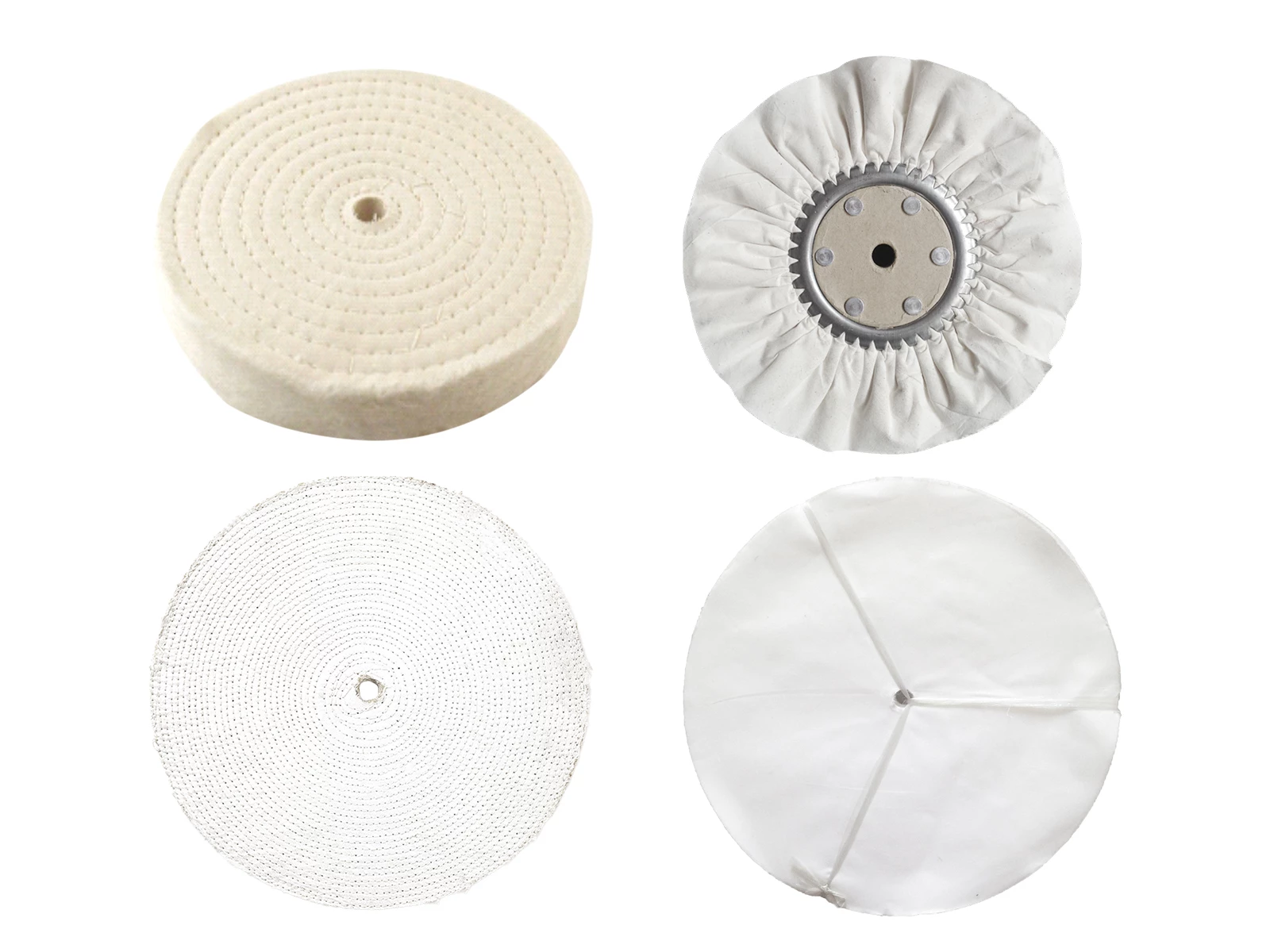
3.2 Polishing Wheel
① Rough Polishing: Linen Polishing Wheel ② Fine Polishing: Linen Polishing Wheel ③ Refined Polishing: Fabric Polishing Wheel / Cotton Polishing Wheel / Bleached Fabric Polishing Wheel
4. Standard Operation Process
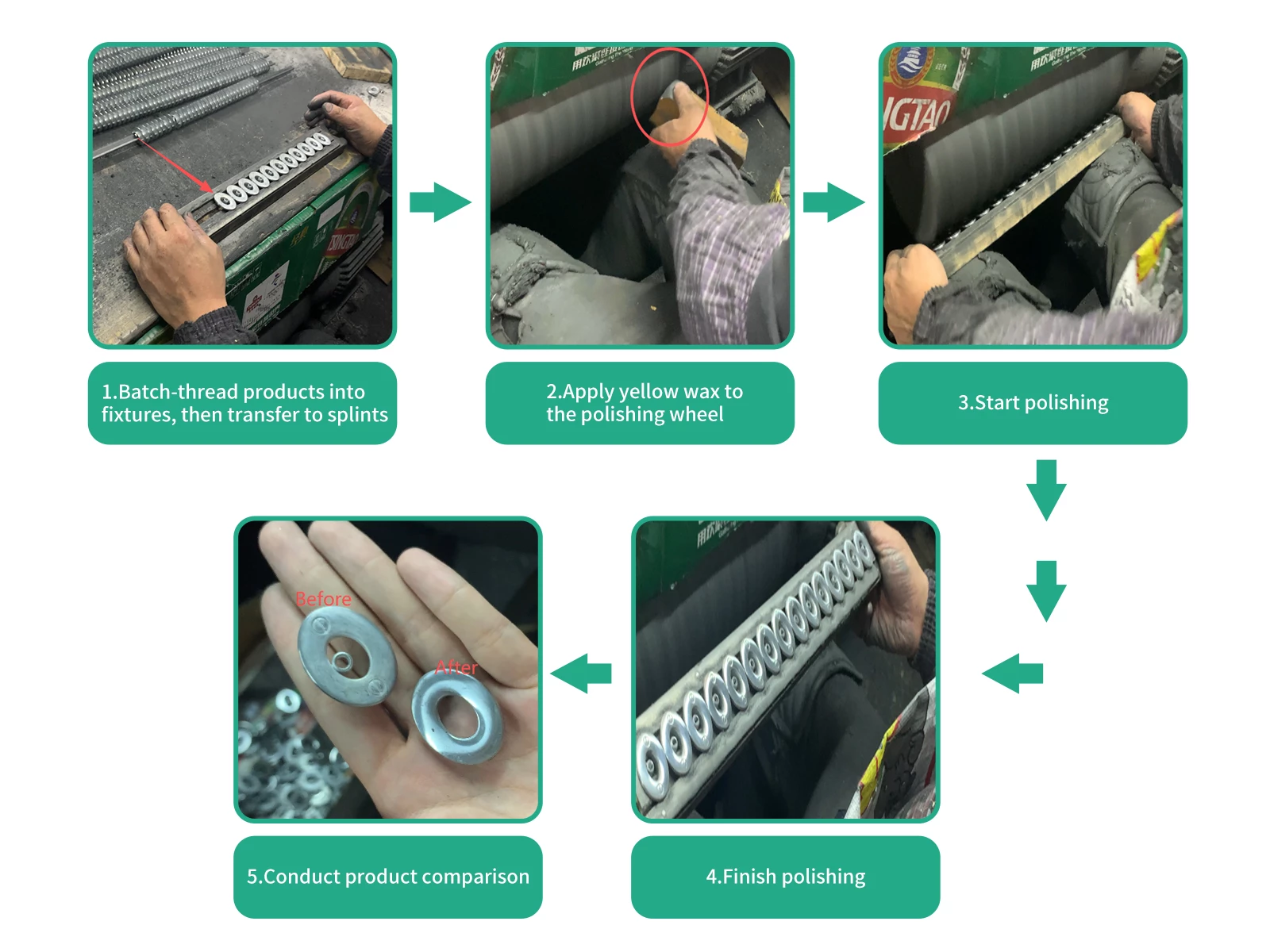
5-Step
1.Batch-thread products into fixtures, then transfer to splints 2.Apply yellow wax to the polishing wheel 3.Start polishing 4.Finish polishing 5.Conduct product comparison Note: Do not pick up the polished product immediately; it will be very hot.
5. Key Notes
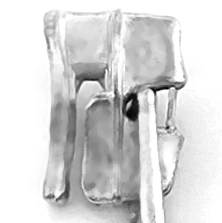

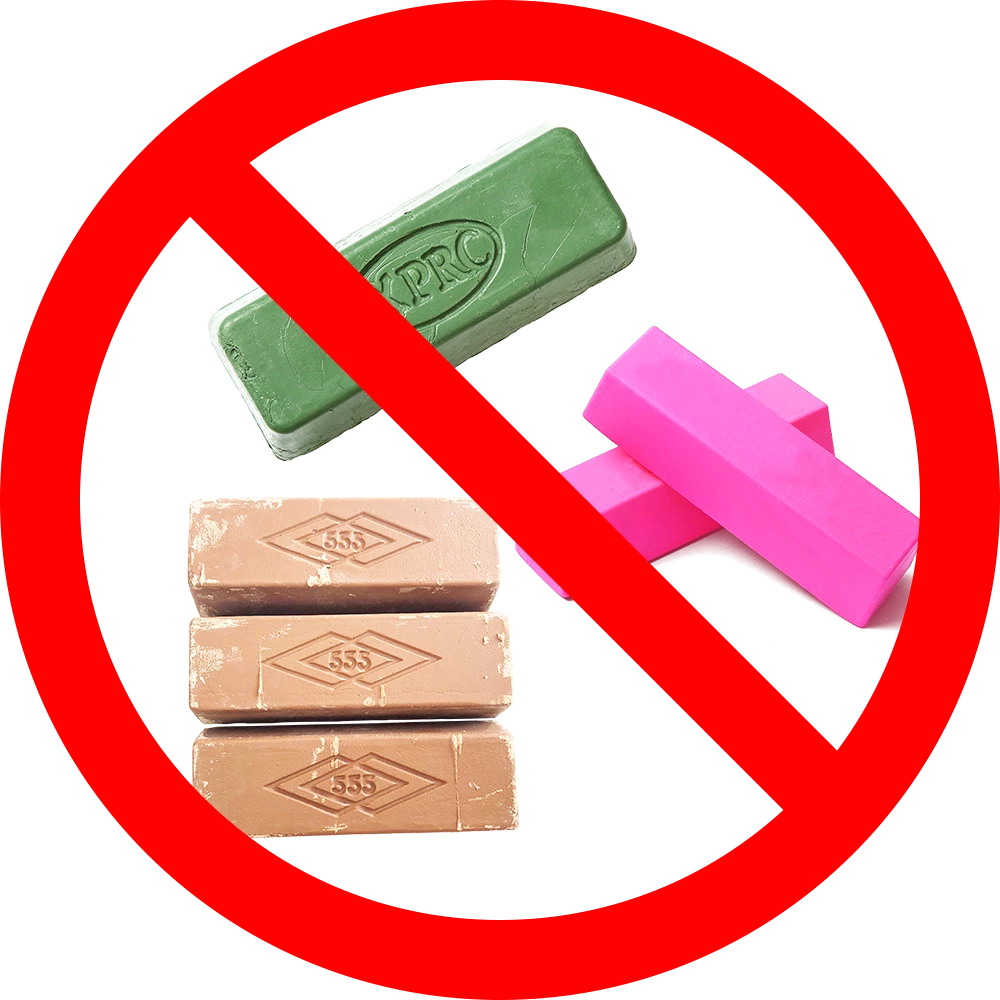

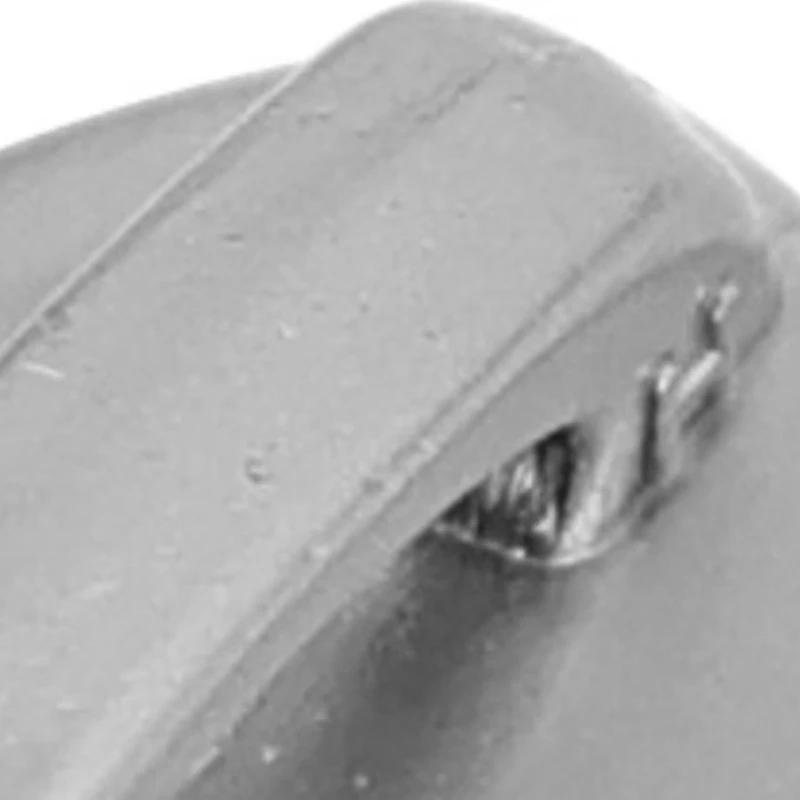
6. Expert Tips
Get a Free Quote Today
Send us your samples or drawings — our engineers reply within 24 hours with pricing and technical advice.
Contact UsHand Polishing — Data Zinc Alloy Finishing Managers Need
Hand polishing and buffing delivers the mirror finish required for zipper sliders, luggage hardware and jewelry-grade zinc alloy parts, and is the bridge between die-casting quality and plating brilliance.
Quality Inspection & Control
| Check item | Method | Acceptance standard |
|---|---|---|
| Mirror finish grade | Gloss meter 60° | Gloss ≥ 800 GU on visible surfaces |
| Wheel marks / streaks | Angle-light inspection | No visible buffing streaks after waxing |
| Edge & corner integrity | 10× magnifier | No rounded-off sharp edges; geometry preserved |
| Wax residue | Wipe + solvent test | No buffing compound left in grooves or holes |
| Surface roughness | Ra tester | Ra ≤ 0.2 μm before bright plating |
| Consistency | Master sample comparison | Operator output matches approved master within ΔE < 1 |
Workshop Layout & Floor Area
| Zone | Area |
|---|---|
| Hand bench area (16 benches) | 120 m² |
| Buffing / finishing area | 60 m² |
| QA & master samples | 30 m² |
| Wax & consumable store | 20 m² |
| Utility & lockers | 30 m² |
| Total workshop | 260 m² |
Manpower & Shift Plan
| Role | Headcount |
|---|---|
| Hand polishers / buffers | 10 |
| QC inspectors | 2 |
| Line supervisor | 1 |
| Maintenance / utility | 1 |
| Total (2 shifts × 10 h) | 14 |
Power & Utility Demand
| Equipment | Demand |
|---|---|
| 16 × bench spindles (2.2 kW each) | 35 kW |
| Buffing motors (4 × 3 kW) | 12 kW |
| Dust extraction | 9 kW |
| Air compressor | 11 kW |
| Lighting & auxiliary | 7 kW |
| Installed total | 74 kW |
| Typical running load | ≈ 60 kW |
Production Flow Chart
Daily Capacity — 10-Hour Operating Day
| Parameter | Value |
|---|---|
| Cycle per batch | 20-35 min |
| Operator output | 15,000-25,000 pcs / 10 h |
| Daily line output | 200,000-400,000 pcs |
| Monthly output (26 days) | 5-10 million pcs |
| Reject target | ≤ 1.5% |
Output Value Estimate
| Parameter | Value |
|---|---|
| Processing fee per piece | USD 0.004-0.010 |
| Daily output value (10 h) | USD 1,200-2,800 |
| Monthly output value | USD 31,000-72,000 |
| Annual output value | USD 375,000-870,000 |
Related Products — Complete Hand Polishing Solution
Machines, chemicals and consumables selected from the real QLQ product range for this process. Every product page is live and ready to quote.
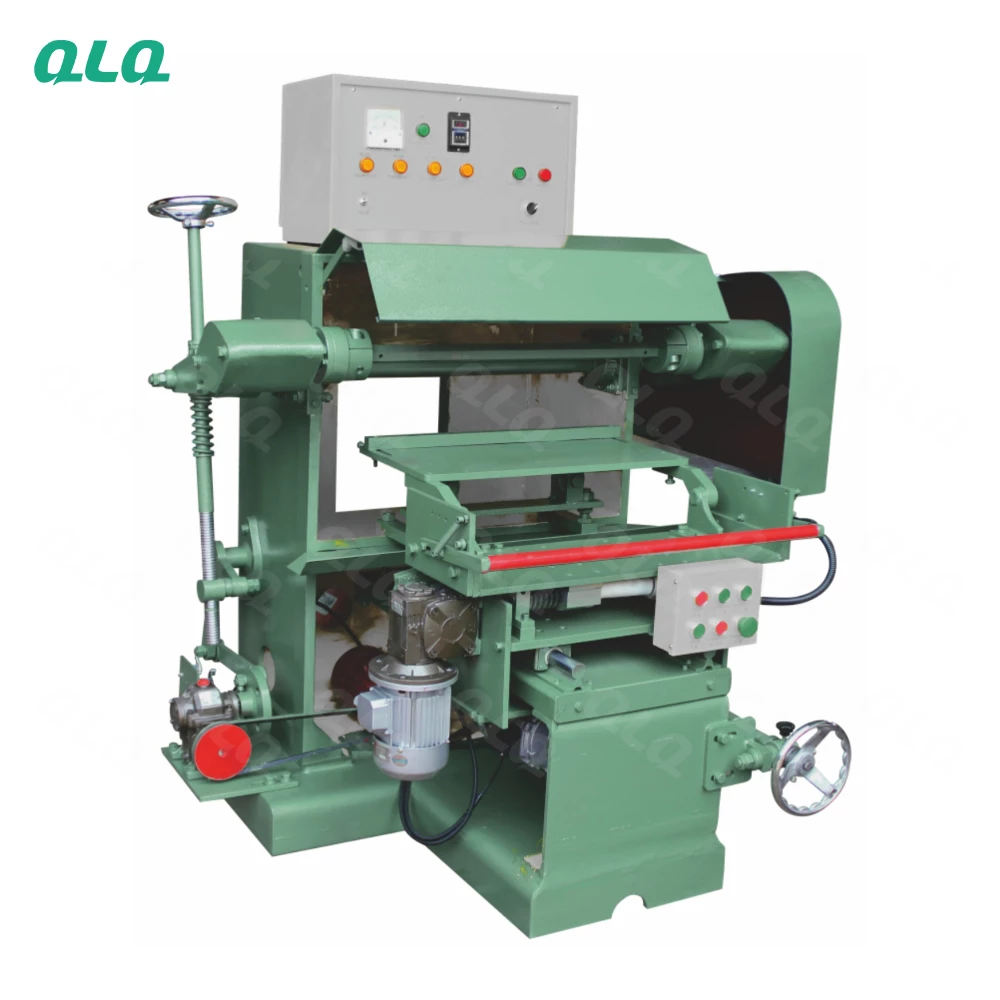
QLQ-HPM-1 Automatic Hardware Polishing/ Buffing Machine
Machine & Equipment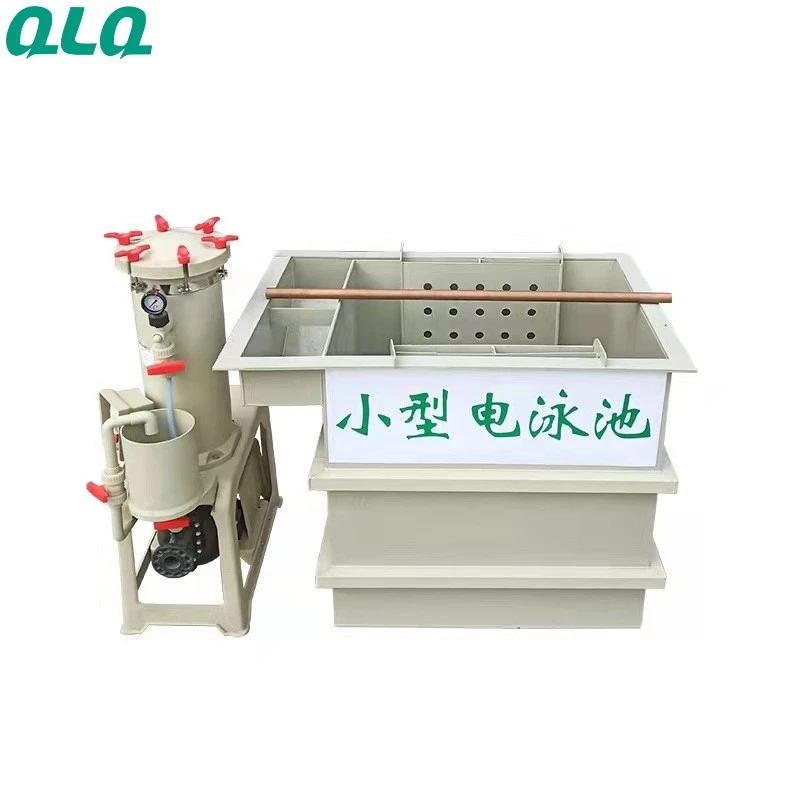
electrophoresis tank
Machine & Equipment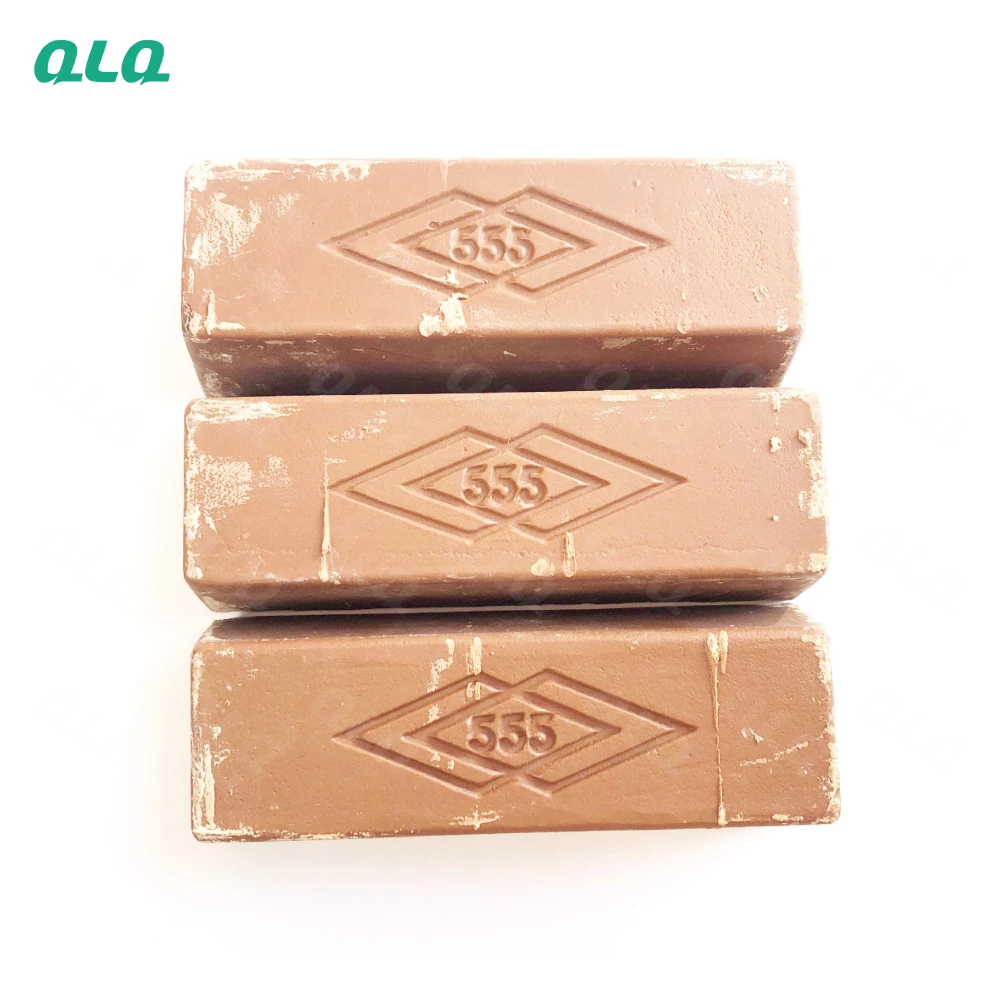
Yellow Wax (rough polishing)
Chemical & Coating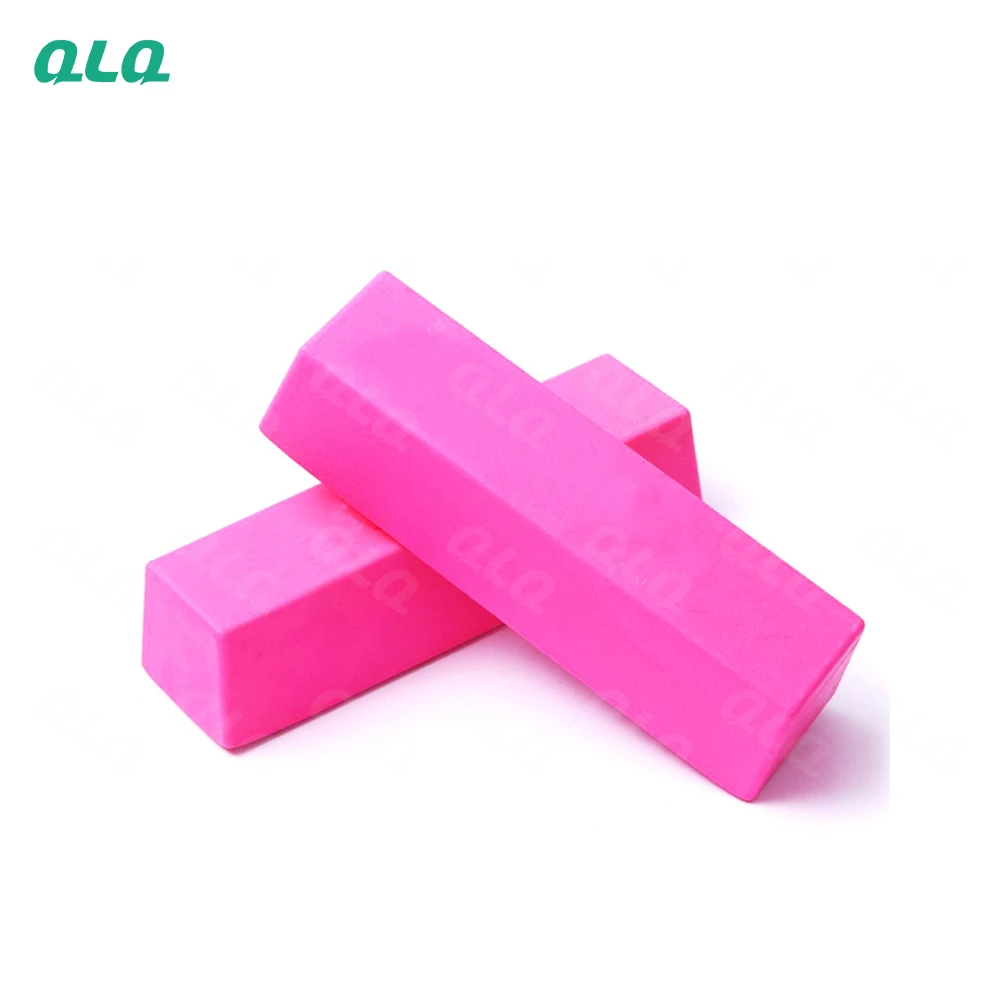
Purple Wax (fine polishing)
Chemical & Coating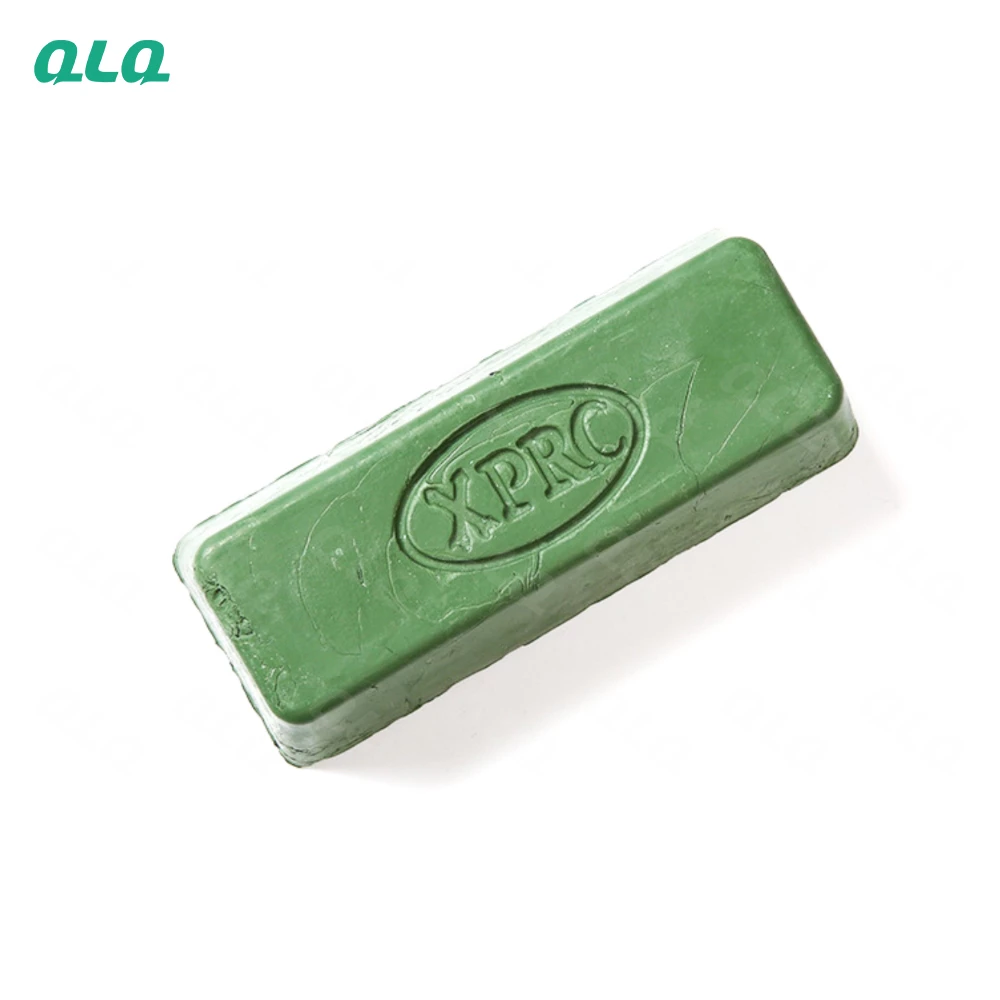
Green Wax (refined polishing)
Chemical & Coating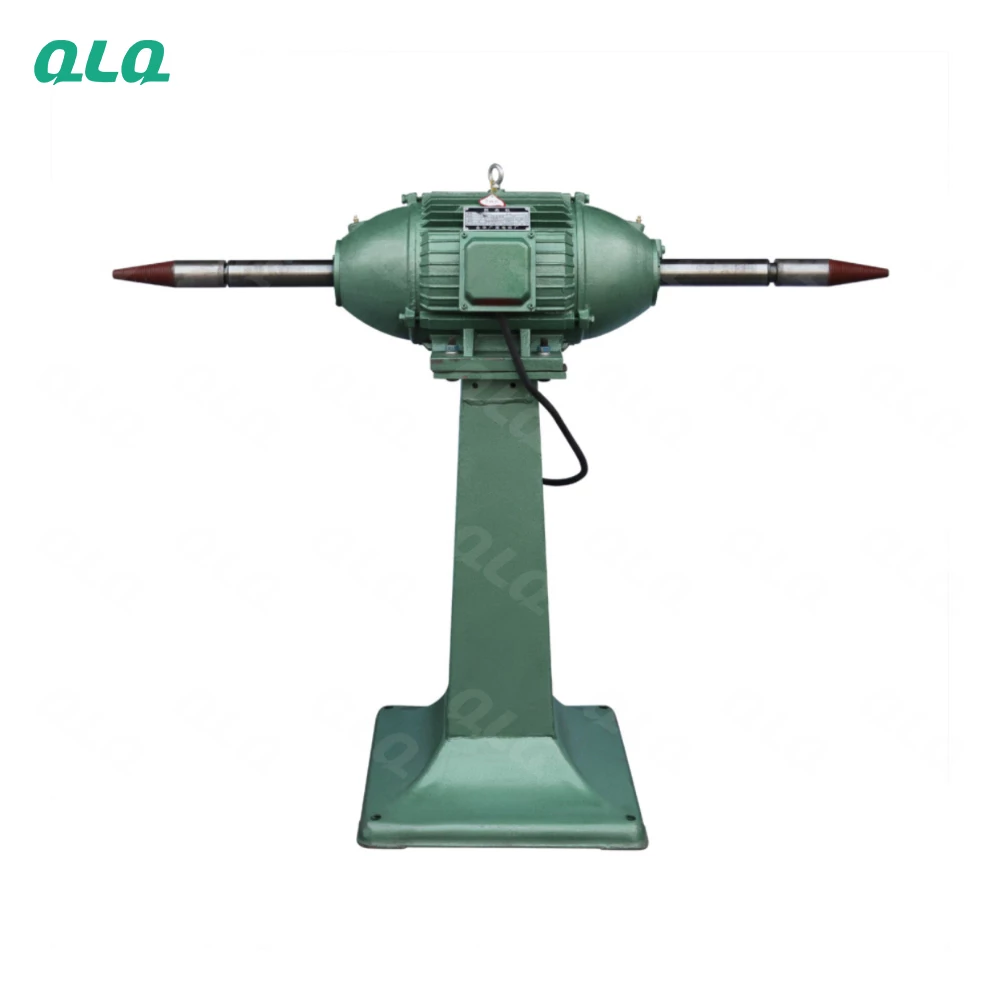
Manual Sander Machine (complete hand polishing
Machine & Equipment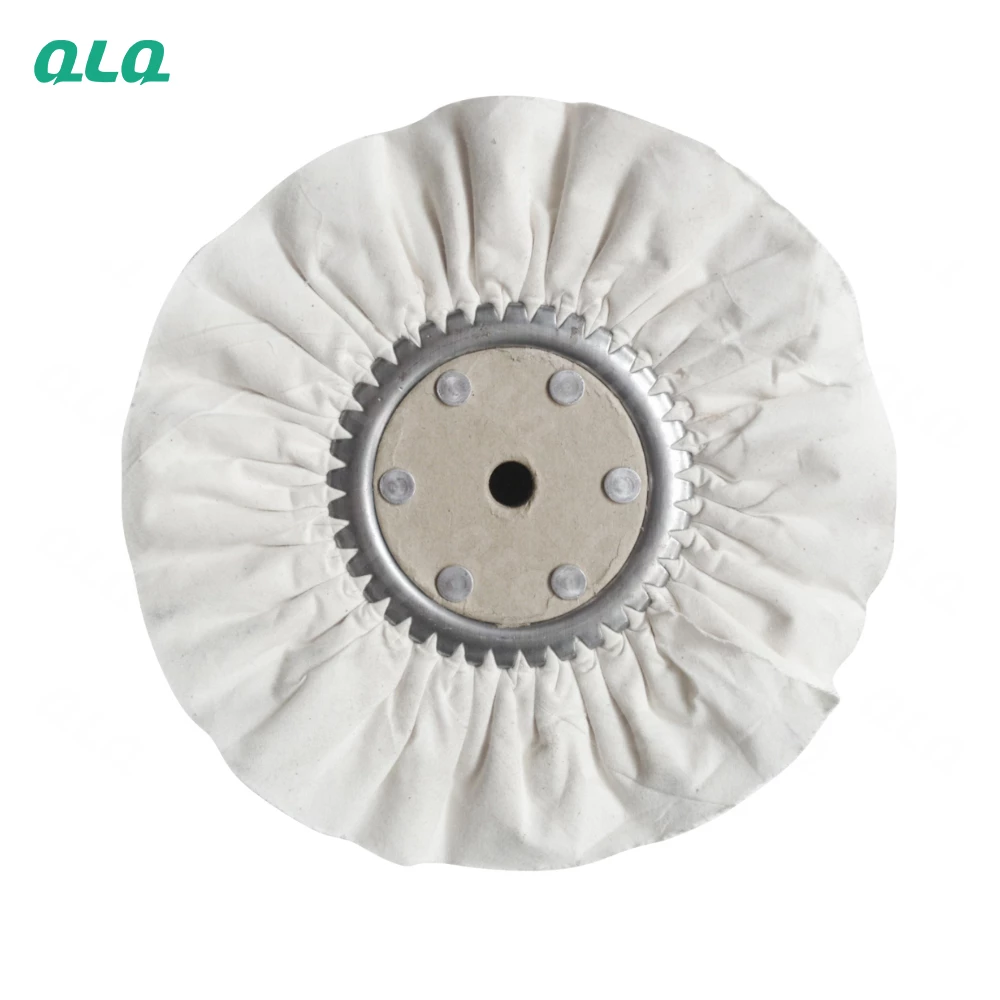
cloth silk fabric wheel
Consumable & Accessory