
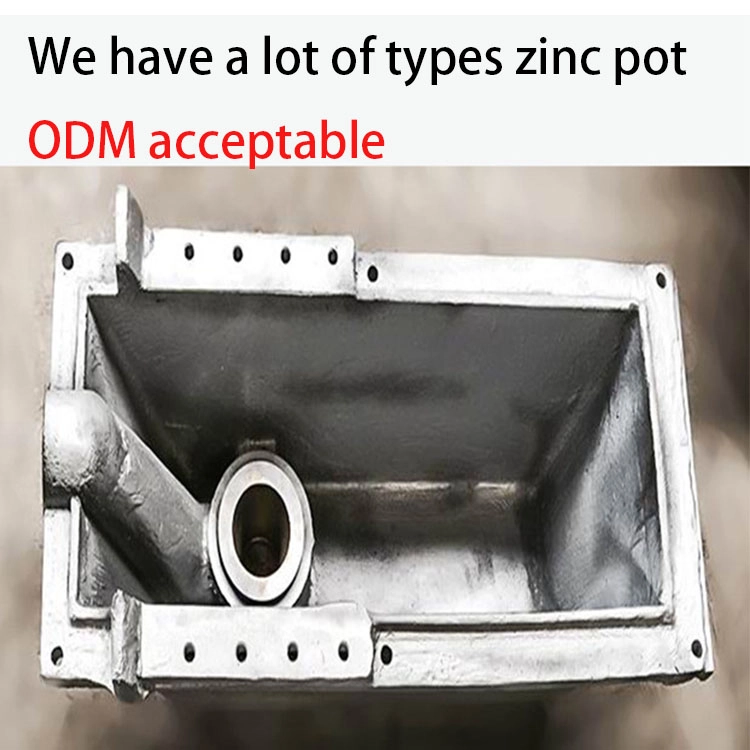
A rack painting defect rarely starts with the gun: substrate contamination, plating quality and cure conditions all arrive before and after the paint. The senior traces the whole chain.
This senior guide covers the cross-process trace for rack painting defects - substrate, paint and cure - and how to find the real stage.
Common Mistakes and How to Avoid Them
The pitfalls that show up most often in real projects, with the cause and the practical fix.
| Mistake | Why It Happens | Practical Fix |
|---|---|---|
| 1. Blame the paint first | Substrate cause missed | Check substrate adhesion |
| 2. Cure assumed correct | Under-cure soft film | Profile the oven |
| 3. Film never gated | Thin paint reaches cure | Gauge before cure |
| 4. Records split | Chain invisible | One chain record |
| 5. No retention samples | Disputes | Keep per batch |
| 6. Fix in one process | Fault returns | Fix the chain stage |
| 7. Booth conditions ignored | Slow dry or dust | Log booth data |
| 8. No trial batch | Fix unproven | Controlled trial |
Best Practices That Hold Up in Production
The operating disciplines that separate a reliable line from a reactive one.
- Check substrate adhesion before blaming paint
- Verify cure time and temperature per batch
- Gate film before cure
- Keep one substrate-to-cure record
- Prove fixes with a trial batch
Implementation Roadmap
A practical sequence that can be adapted to your own project.
Process Flowchart
Cross-process trace flow
A step-by-step sequence with notes and cautions so every shift follows the same order.
- Substrate faults show as adhesion failures.
- Cure faults show as soft or brittle film.
- Never paint over a dirty or failed substrate.
- Retain samples from every chain stage.
Working Data & Formula Notes
Chain data
Reference checks for paint defect tracing.
| Component / Parameter | Working Value / Role | What Changes Mean (annotation) |
|---|---|---|
| Substrate | Adhesion check first | Dirt fails the paint |
| Film | Gate before cure | Thin film fails in use |
| Cure | Time and temperature | Under-cure softens |
| Trial | Across the chain | Proves the fix |
Reference Data
Specifications and references cited in this guide. Confirm final parameters with your line supplier.
Paint defect to chain cause
| Defect | Chain cause | First check |
| Peeling | Substrate | Adhesion, cleanliness |
| Soft film | Cure | Oven profile |
| Pinholes | Substrate or booth | Dust, filtration |
| Colour shift | Paint batch | Mix and viscosity |
Implementation Cases
Case 1 - peeling that started under the paint
Situation. Painted frames peeled in the field; the paint was changed twice before a substrate adhesion test showed contamination from the pre-paint rinse.
Approach. The rinse gate was restored, adhesion was tested on samples, and a chain record was started.
Outcome. Peeling stopped; the adhesion test became the gate before painting.
Case 2 - soft film from an unprofiled oven
Situation. Parts scratched easily after a line speed change; the oven had never been re-profiled at the new speed.
Approach. The oven was re-profiled, cure verification was added to the batch card, and a trial batch confirmed the film.
Outcome. Film hardness returned; the profile check now runs with every speed change.
Frequently Asked Questions
Why check the substrate first?
Most peeling starts under the paint; adhesion testing finds it early.
What is the film gate?
A thickness check before cure that stops thin paint reaching the oven.
Why verify cure?
Time and temperature drift with line speed and load; under-cure softens film.
What are booth conditions?
Temperature, humidity and filtration; they affect drying and dust.
Why one chain record?
Split records hide the chain; one record makes the trace possible.
What samples do I keep?
Parts from substrate, paint and cure, per batch, for disputes.
Why fix the stage, not the symptom?
Fixing one process leaves the fault to return at the next stage.
How do I prove the fix?
A controlled trial through the chain compared with the retained sample.
Who owns the chain record?
QC, with painting, plating and curing feeding their sections.
What Would You Like to Solve?
Send us the paint defect photo, the substrate records and the cure data. We can help trace the chain and build the substrate-to-cure record for your line.
Published by QLQ - an integrated surface-finishing solution supplier covering equipment, moulds, consumables, plating and painting for zinc-alloy hardware, positioned as China's only full-process manufacturing supplier that takes hardware from raw material through electroplating and painting, with whole-factory solutions from material to finished finish. Values cited are project references; confirm with your line supplier before specification.