
Pretreatment for Barrel Plating
This is the "Barrel Plating Pre-Treatment Survival Guide".
In a Barrel Line, you are cleaning a "pile" of 20,000 zipper pulls at once. The inside of the pile often stays dirty while the outside gets over-etched.
The Truth: 90% of peeling, blistering, and "flowery" spots in Barrel Plating come from the Pre-treatment, not the Plating Tank.
Here is the specialized manual for the entire workshop team, using the [QLQ System].
🛑 Barrel Plating Pre-Treatment Manual (The "Kill Zone")
Target Material: Zinc Alloy (Die-cast).
The Risk: Zinc dissolves in strong acid AND strong alkali. You have a very narrow "Safe Window."
Goal: A chemically active, clean surface without damaging the "Skin" of the die-casting.
Phase I: The Process Workflow (The "Safe" Path)
Standard Cycle for 1 Barrel (15-18 KG).
| Step | Process Name | Time | Temp | [QLQ] Chemical | Tech Note (Critical) |
| 1 | Hot Soak Degreasing | 10-15 mins | 60-70°C | [QLQ] Zinc Soak Cleaner | Rotation: 4-5 RPM. Slow spin to soak. High temp melts the wax. |
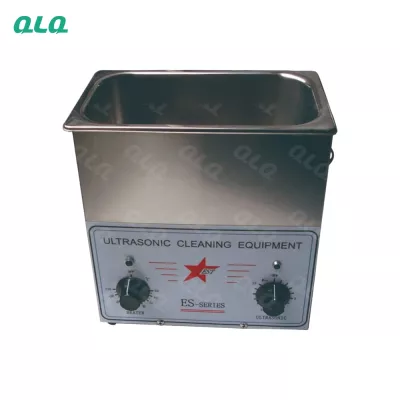
| 2 | Ultrasonic (Optional) | 5 mins | 60°C | [QLQ] Wax Remover | If parts have deep logos, this is mandatory. |
| 3 | Rinse (Counter-flow) | 1 min | RT | Water | Must be clean water. Dirty rinse = Contamination. |
| 4 | Electro-Cleaning | 30-60 sec | 50°C | [QLQ] E-Cleaner Salt | Cathodic (-) ONLY. High Rotation (10 RPM). Never use Anodic (+). |
| 5 | Rinse x 2 | 1 min | RT | Water | Rinse thoroughly. Alkali drag-in ruins the Acid Dip. |
| 6 | Acid Activation | 5-15 sec | RT | [QLQ] Fluoride Salt | NO HCl. Surface should turn uniform light grey/white. |
| 7 | Final Rinse | 1 min | RT | Pure Water | Enter Cyanide Copper immediately. |
Phase II: Critical "Do's and Don'ts" (The Rules)
Rule #1: The "No HCl" Law (Prohibited Chemical)
The Error: Using Hydrochloric Acid (HCl) because it's cheap and fast.
The Result: HCl attacks the Zinc skin too aggressively, creating "pinholes." It also causes Hydrogen Embrittlement (Snapping Springs).
The Fix: Use [QLQ] Dry Acid Salts (Fluoride/Sulfate based). They etch gently.
Rule #2: The "Cathodic Only" Law
The Error: Using Reverse Current (Anodic) cleaning.
The Result: The Zinc part becomes the Anode $\rightarrow$ Zinc dissolves $\rightarrow$ Surface becomes rough and dark instantly.
The Fix: Ensure the Barrel Dangler is Negative (-) and the Tank Plates are Positive (+) / SS.
Rule #3: The "Media" Trap
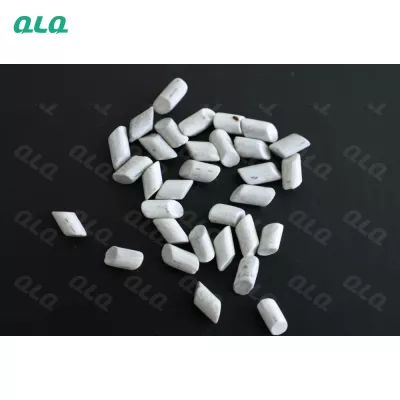
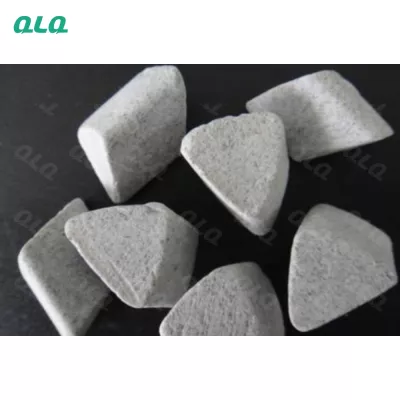
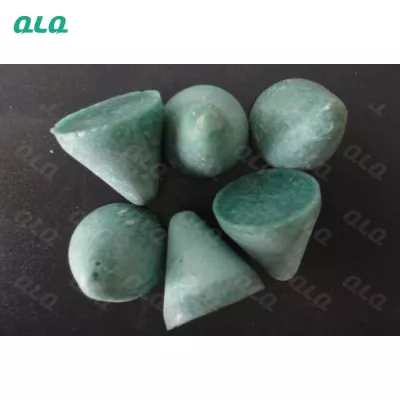
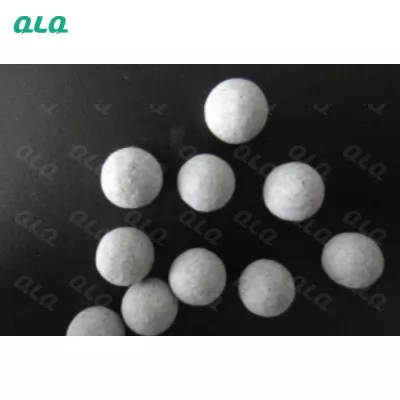
The Error: Letting tumbling media (ceramic stones/corn cob) enter the plating line.
The Result: Stones get plated, wasting gold/nickel. Stones get stuck in barrel holes, blocking current.
The Fix: Operators must check the barrel before loading. 100% Media separation is required.
Rule #4: The "Transfer Speed" (Oxidation)
The Error: Letting the barrel hang in the air for 2 minutes while the operator smokes a cigarette.
The Result: The activated zinc surface oxidizes (turns yellow/grey). The plating will peel.
The Fix: Maximum transfer time = 30 Seconds. If the hoist waits, keep the barrel submerged in water.
Phase III: Master's Troubleshooting (Experience Share)
| Defect Symptom | Visual Appearance | Root Cause in Pre-treatment | The Master's Solution |
| Blistering | Bubbles after plating/baking. | Over-etching in Acid or Oil remaining. | 1. Check Acid time (reduce to 5s). 2. Check Soak Cleaner Temp (Must be >60°C). |
| "Flowery" Spots | White/Grey patterns under the plating. | Uneven etching. The "Pile" didn't mix. | Increase Rotation Speed in the Acid tank. The acid didn't touch every part evenly. |
| Dark / Black Parts | Parts look burnt before plating. | Anodic cleaning or Copper impurities. | 1. Confirm Rectifier Polarity (Cathodic). 2. Check if acid is contaminated with Copper (Blue color). |
| Peeling (Bend Test) | Plating cracks off like a shell. | Passive surface (Oxidation). | 1. Transfer too slow. 2. Weak Activation (Add [QLQ] Activation Salt). |
| Roughness | Sandpaper feel. | Sludge in cleaner tanks. | Change the water! Dirty cleaner = Dirty parts. Filter the tanks. |
Phase IV: Practical "Tricks of the Trade"
1. The "White Handkerchief" Test
How: After the Electro-clean and Rinse, stop the barrel. Reach in (with a glove) and wipe a zipper pull with a white cloth.
Pass: Cloth stays white.
Fail: Cloth shows black smut or yellow oil.
Meaning: If it fails, DO NOT PLATE. Send the barrel back to Step 1.
2. The "Sparking" Entry
How: When the barrel moves from Activation $\rightarrow$ Cyanide Copper.
Action: Ensure the Dangler is touching the parts and the Rectifier is ON (2-3V) before entry.
Reason: If zinc touches Cyanide Copper without electricity, a loose "Immersion Copper" layer forms. It looks fine, but it will fail the adhesion test later.
3. The "Dangler" Cleaning Schedule
Problem: In electro-cleaning, the dangler head gets coated in oil and smut.
Action: Clean the contact heads every 4 hours. A dirty contact means the parts in the center of the barrel are getting 0 amps $\rightarrow$ No cleaning.
4. Nesting (Sticking Together)
Problem: Flat buckles stick cup-to-cup. Inside the cup is not cleaned.
Fix: Add Steel Shot (Balls) into the pre-treatment barrel. The balls act as hammers to knock the parts apart, allowing the chemicals to enter the cup.
Phase V: Maintenance Checklist for the Technician
Daily:
[ ] Check Soak Cleaner Temperature (Target 65°C).
[ ] Check Acid Dip concentration (Titration).
[ ] Skim the Oil: Remove the floating oil layer from Tank 1. If you pull the barrel up through an oil slick, you re-contaminate the parts.
Weekly:
[ ] Dump and Remake: Electro-cleaner and Acid tanks are cheap. Do not try to save money here. Dump them weekly. Zinc contamination builds up fast.
[ ] Clean Anodes: In the Electro-clean tank, the Stainless Steel anodes get coated in "gunk." Scrub them clean to maintain current flow.
🌟 Featured Album: The "Clean Start" Series
Description for the Blog/Guide Album:
🚿 The "Clean Start" Album: Why 90% of Barrel Plating Failures Start Here
You can have the most expensive Nickel Bath in the world, but if your Pre-treatment is weak, you are just plating garbage. This album focuses on the Zinc Alloy Survival Guide.
What you will master:
❌ The HCl Ban: Why Hydrochloric Acid is the enemy of Zipper Pulls, and the safe [QLQ Fluoride] alternative that etches without pitting.
⚡ The Cathodic Rule: A simple diagram explaining why we never use Anodic cleaning on Zinc (and how to check your rectifier polarity).
🕵️ The "Smut" Detective: How to identify "Over-etching Smut" vs. "Leftover Carbon Smut" just by looking at the color of the part.
🔄 The Flowery Spot Fix: How adjusting your Barrel Rotation Speed in the acid tank eliminates those ugly white cloud patterns.
👉 Fix your cleaning, fix your yield. Download the Clean Start Guide now!

Sort
- Recommended
- Newest