
The question every buyer asks
Homemade and small-workshop plating setups keep failing not because of clumsy hands but because of a missing system. The repeated failures trace back to four systemic elements that no amount of manual skill replaces.
Parameters are industry-standard starting ranges; confirm against your supplier TDS.
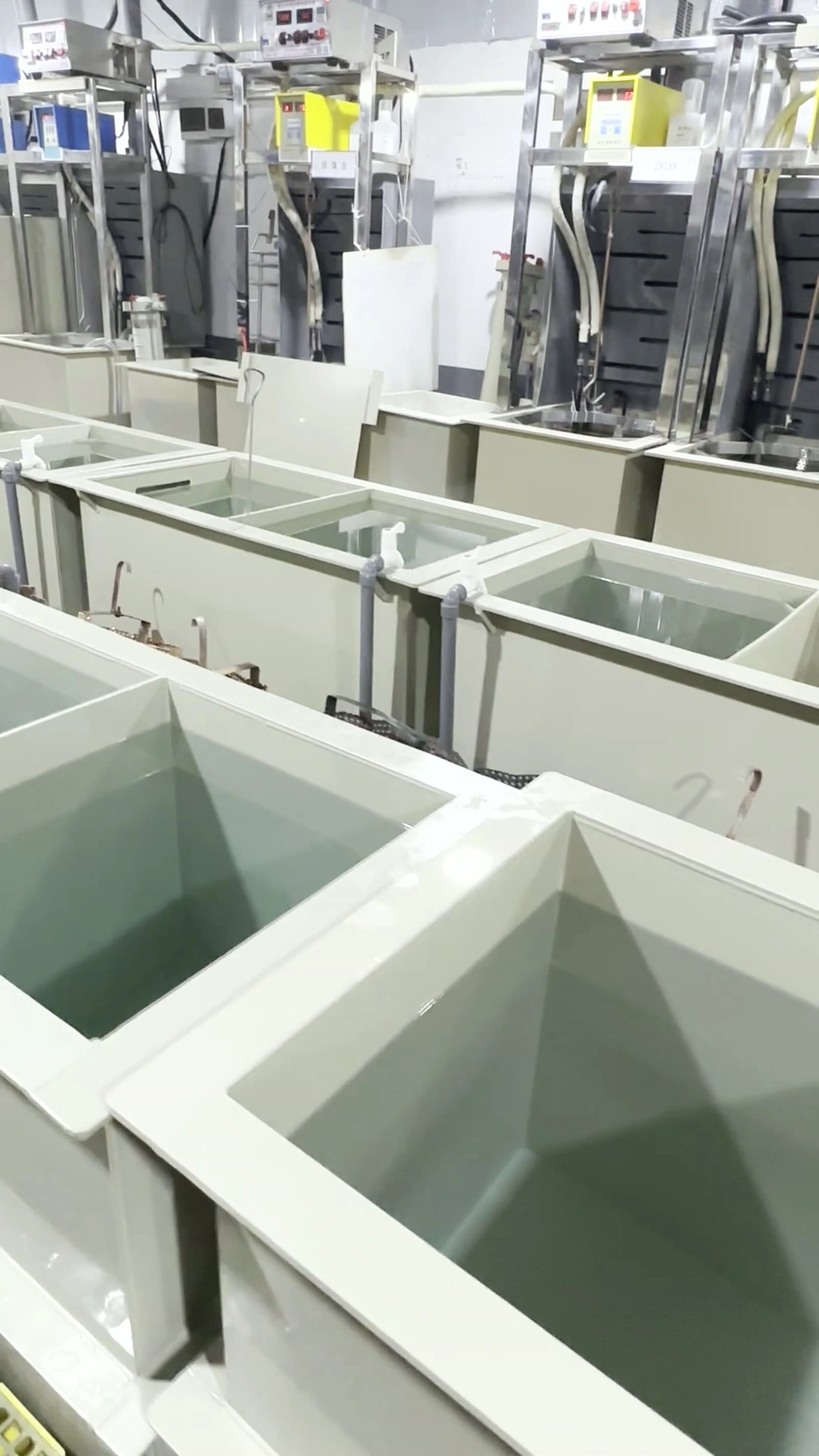
How we handle it on the line
- Pre-treatment: incomplete degreasing + activation = poor adhesion — the number-one cause of death.
- Anode/cathode area ratio and agitation: get them wrong and coatings come out uneven or burnt.
- Bath maintenance: accumulated impurities = hazy, dull deposits — baths need analysis and trimming, not one-time mixing.
- Wastewater compliance: household workshops have no viable path — plating effluent is regulated discharge, full stop.
- Sequence rule: copper under-coating must be blocked with a nickel layer first; steel parts cannot be copper-plated directly.
- The pattern: what's missing is a system (process control, analysis, compliance), not technique.
- Recommendation: for small batches of hardware, commissioning a factory with an in-house shop by tier is cheaper than endless trial and error — QLQ quotes plating tiers from 48h and accepts small runs.
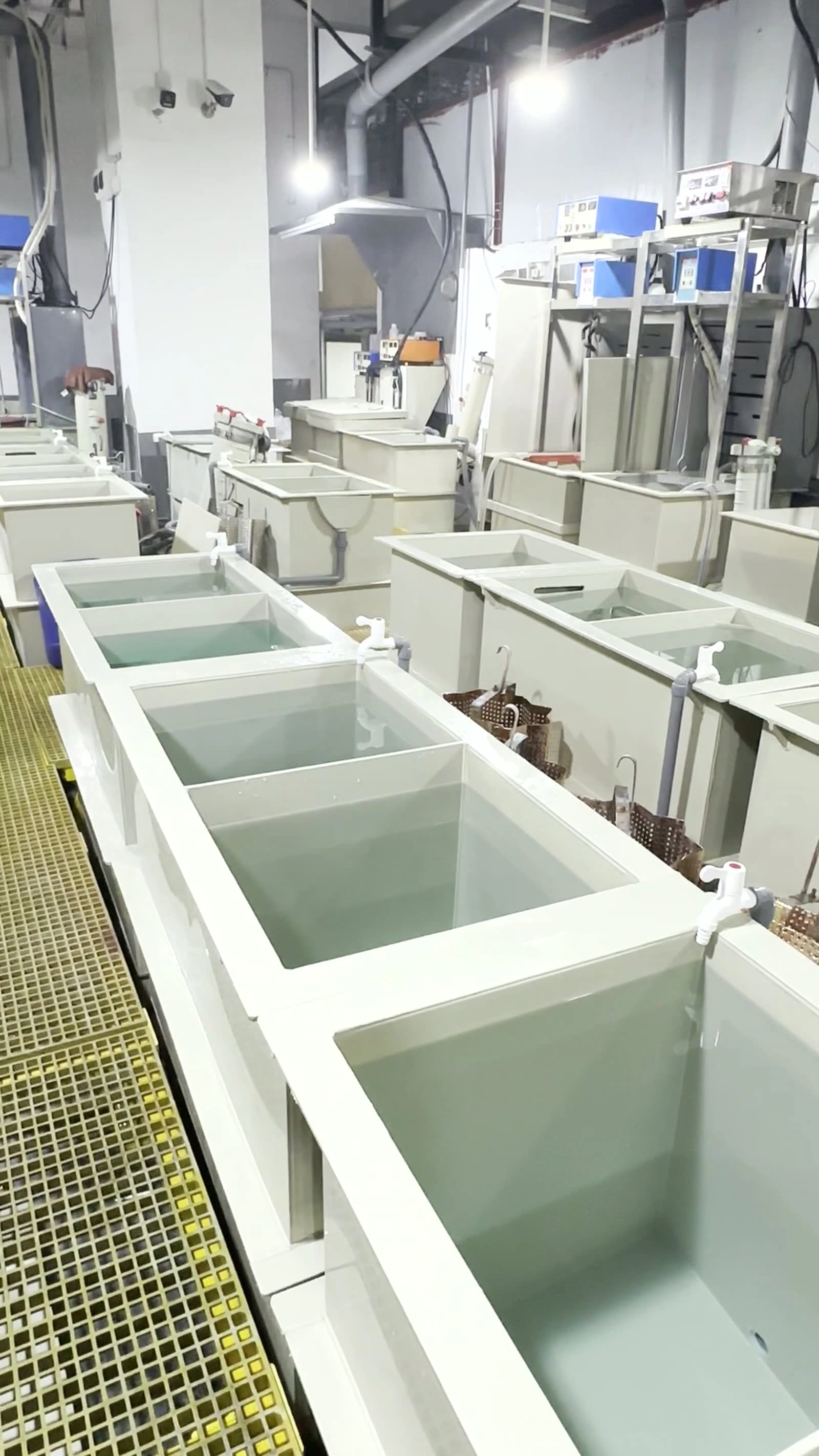
Honest boundaries
- No recipe or video makes home plating compliant — wastewater rules apply regardless of scale.
- Small-batch job pricing per tier is economical only for real hardware parts; one-off hobby items remain impractical.
- We cannot teach plating as a DIY skill; our guidance assumes production intent.
FAQ
Why does my homemade plating keep peeling no matter what I try?
Almost always pre-treatment: incomplete degreasing and activation means poor adhesion — the top failure cause. Bath maintenance and anode/cathode ratios come next; it's a missing system, not technique.
What is a small workshop plating setup usually missing?
Four things: proper pre-treatment, correct anode/cathode area ratio with agitation, ongoing bath maintenance, and legal wastewater handling. Home setups rarely have any of the four.
Can I just copper-plate steel parts directly as a base layer?
No — copper under-coating must be blocked with a nickel layer first; direct copper on steel causes adhesion and corrosion problems.
Is it cheaper to DIY plate small batches of hardware parts?
Usually not once failures count. QLQ's in-house shop quotes tiers from 48h salt spray and accepts small batches — commissioning by tier beats repeated trial-and-error on cost.