
The question every buyer asks
Buyers often blame the plating bath when ABS parts show pitting, peeling or yellowing. The real diagnosis is a four-quadrant mapping: each defect points to a specific upstream cause, and the very first prerequisite is that the substrate must be plating-grade ABS in the first place.
Parameters are industry-standard starting ranges; confirm against your supplier TDS.
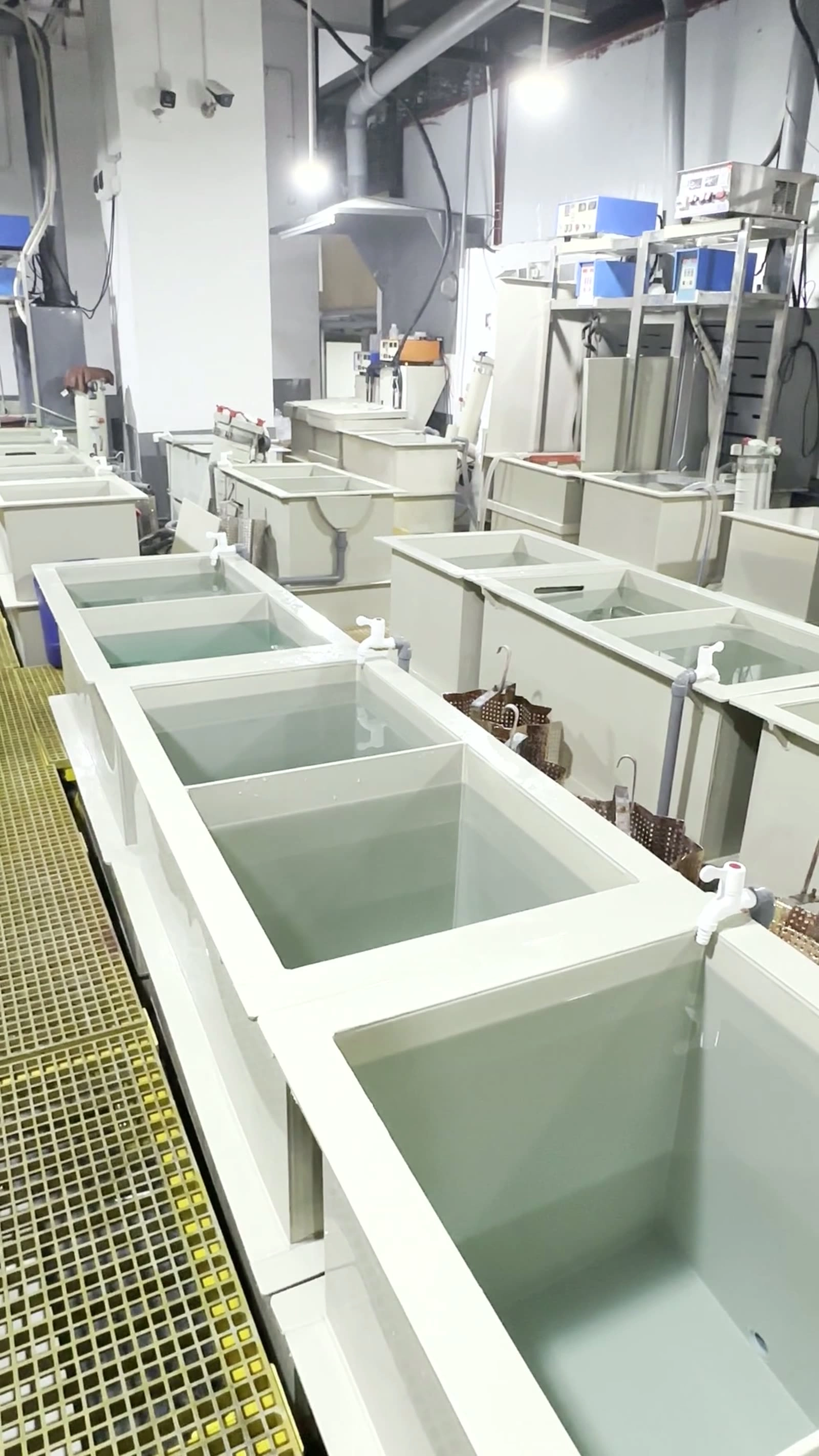
How we handle it on the line
- Scratches → mechanical damage in pre-treatment handling.
- Peeling/blistering → under-etching in the chromic acid roughening step, or stripping-agent residue (oil stains).
- Yellowing → over-etching (roughening too aggressive) or contamination of the plating solution.
- Pitting → insufficient solution filtration.
- Prerequisite: only plating-grade ABS works — ordinary ABS has a narrow roughening window and inherently low yield.
- Misuse risk: endlessly tuning the bath on ordinary ABS parts is wasted effort — wrong substrate, nothing else matters.
- QLQ does not plate plastics, but we advise honestly on the matching metal alternative: zinc-alloy sliders with multi-layer plating give equivalent metallic appearance and higher strength.
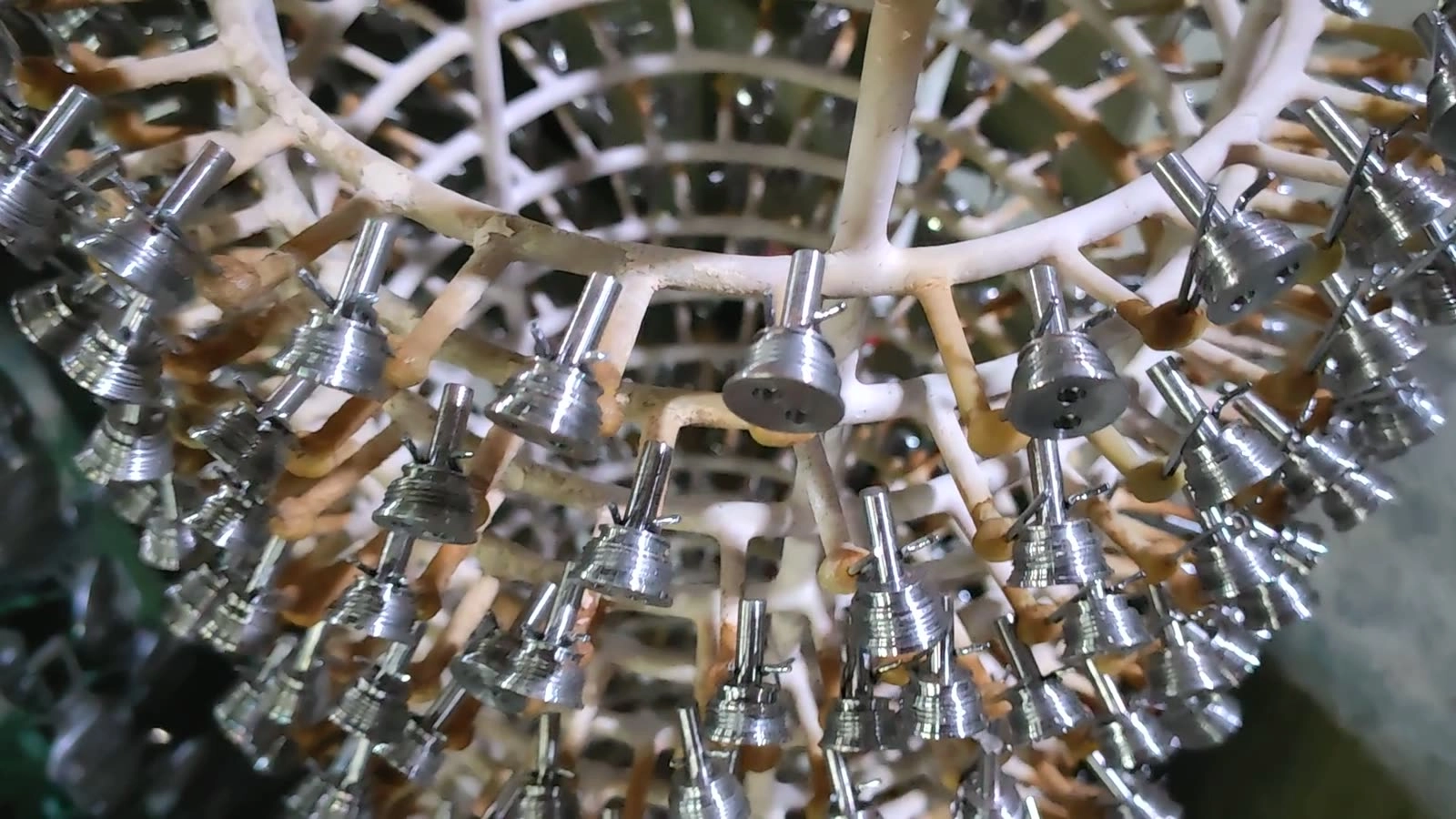
Honest boundaries
- We do not perform ABS plastic plating; our guidance here is diagnostic and supplier-selection advice.
- Even with plating-grade ABS, yield depends on part geometry — deep recesses and sharp edges stay difficult.
- Substitute metal parts change weight and cost profile; equivalence is visual and structural, not identical.
FAQ
Why do my ABS plated parts show pitting and peeling?
Match the defect to the cause: scratches = pre-treatment damage; peeling/blistering = under-etching or stripping-agent residue; yellowing = over-etching or bath contamination; pitting = poor filtration. And confirm the substrate is plating-grade ABS first.
Can I plate ordinary ABS if I adjust the process carefully?
No. Ordinary ABS has a narrow roughening window and inherently low yield. Only plating-grade ABS is viable — tuning the bath cannot fix the wrong substrate.
My ABS plating turns yellow — is the plating bath contaminated?
Yellowing usually means over-etching during roughening or bath contamination, not the top coat. Audit the roughening step and bath filtration before changing suppliers.
Do you offer ABS plastic plating, and if not what's the alternative?
We don't plate plastics. QLQ recommends the metal alternative honestly: zinc-alloy parts with multi-layer plating match the metallic look and add strength.