
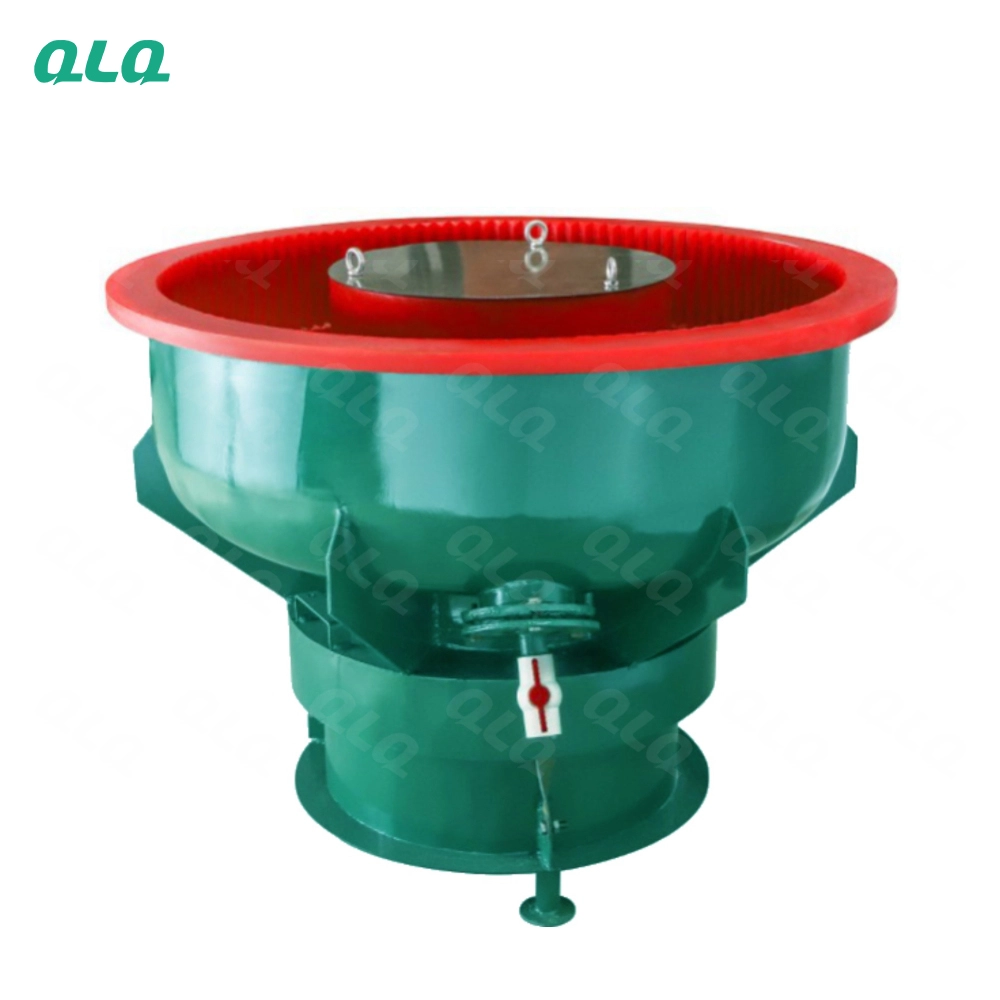
Real-Case Scenario: Tumble Painting Viscosity Drift
A mid-sized hardware factory in the Pacific Northwest recently encountered a perplexing issue in their zinc-alloy plating line: a persistent viscosity drift in their tumble painting process. Over the course of a week, the paint viscosity increased by 30%, leading to uneven film thickness and inconsistent color on the finished products. The factory’s quality control team initially attributed the problem to the cup timer, a device used to measure and control the viscosity of the paint during application. However, despite recalibrating the timer and adjusting the parameters, the drift persisted. The drum speed was set at 3000 rpm, the paint temperature was maintained at 80°C, and the cycle time was 10 minutes. Despite these adjustments, the viscosity readings varied by 25%, and the film thickness ranged from 100 to 150 µm. The factory’s plating line was operating under a standard that required a film thickness of 100 µm with a tolerance of ±10 µm, as specified by ASTM B322. The issue became even more complicated when the factory’s quality assurance team observed that the agitator speed was set at 1500 rpm, which was lower than the recommended 2000 rpm for optimal paint dispersion. The solvent content in the paint was also at 30%, which was above the ideal range of 20–25%. This initial analysis painted a picture of a process that was on the edge of failure, but the true root cause was hidden beneath the surface, waiting to be uncovered.
Data Collection and Initial Parameter Analysis
To investigate the viscosity drift, a comprehensive data collection process was initiated, beginning with the measurement of key operational parameters. The drum speed was recorded at 3000 rpm, which is within the typical range of 2500–3500 rpm for zinc-alloy plating lines. The paint temperature was maintained at 80°C, slightly above the recommended range of 70–75°C for optimal viscosity stability, as outlined in ASTM B322. The cycle time was set at 10 minutes, which is within the acceptable range of 8–12 minutes for most plating applications. However, the agitator speed was measured at 1500 rpm, which is below the recommended 2000 rpm for effective paint dispersion and viscosity control.
The viscosity of the paint was measured using a viscometer, and the results showed a variation of 25% over the course of a week, with readings fluctuating between 3000 and 3750 mPa·s. The solvent content was found to be at 30%, which is above the ideal range of 20–25% as specified by ISO 1456. The paint’s conductivity was measured at 50 µS/cm, which is below the optimal range of 60–80 µS/cm for proper electroplating. The film thickness of the plating layer ranged from 100 to 150 µm, with an average of 125 µm, exceeding the target of 100 µm ±10 µm as per ASTM B322. The drum speed was also recorded at 1000 rpm during the initial phase, which is inconsistent with the standard 3000 rpm used for tumbling.
In addition, the temperature of the plating solution was measured at 60°C, which is below the ideal range of 70–75°C for zinc-alloy plating. The pH of the solution was found to be 5.5, which is slightly acidic and may have contributed to the instability in viscosity. The paint’s solid content was measured at 80%, which is within the acceptable range of 75–85% for most plating applications. However, the solvent content remained at 30%, which was a critical factor in the observed viscosity drift. These initial findings suggested that multiple parameters were out of alignment with standard operating procedures, but the root cause of the drift had not yet been identified.
First Fix Attempt: Adjusting the Cup Timer
In response to the observed viscosity drift, the factory’s process engineers initially focused on the cup timer, believing it to be the primary source of the instability. The cup timer was recalibrated to ensure accurate viscosity readings, and the timing parameters were adjusted to match the recommended settings in the plating line’s operating manual. However, despite these modifications, the viscosity of the paint continued to fluctuate by 25% over the following week. The film thickness remained inconsistent, ranging from 100 to 150 µm, and the plating quality did not meet the required standards.
The adjustment of the cup timer did not resolve the issue, leading to confusion among the quality control team. The assumption that the timer was the root cause of the drift was reinforced by the fact that the viscosity readings appeared to be inconsistent, but the underlying factors were not being addressed. The drum speed was still set at 3000 rpm, the agitator speed remained at 1500 rpm, and the solvent content was still at 30%. These parameters were not being considered as potential contributors to the instability, despite their known influence on paint behavior.
The failure of the first fix highlighted a critical gap in the troubleshooting approach. The focus on the cup timer, while logical, overlooked the more complex interplay between multiple process variables. The viscosity drift was not solely a function of the timer but was influenced by a combination of factors, including agitator speed, solvent content, and paint temperature. This realization underscored the need for a more comprehensive analysis, which would eventually reveal the true root cause of the issue.
The Overlooked Root Cause: Agitator Speed and Solvent Content
As the investigation progressed, a critical oversight became apparent—despite the cup timer being recalibrated, the agitator speed and solvent content were still outside the recommended parameters. The agitator speed, measured at 1500 rpm, was significantly lower than the optimal 2000 rpm for effective paint dispersion and viscosity control. This discrepancy likely contributed to the observed viscosity drift, as insufficient agitation can lead to uneven paint distribution and prolonged settling times, both of which can destabilize the paint’s viscosity. Furthermore, the solvent content was measured at 30%, which is above the ideal range of 20–25% as specified by ISO 1456. High solvent content can reduce the paint’s solid content, leading to a thinner film and increased susceptibility to viscosity fluctuations.
The temperature of the plating solution was also found to be 60°C, below the recommended range of 70–75°C for zinc-alloy plating, which can affect the paint’s chemical stability and its ability to maintain a consistent viscosity. Additionally, the pH of the solution was recorded at 5.5, slightly acidic, which can influence the solubility of paint components and contribute to instability. The drum speed, set at 1000 rpm, was inconsistent with the standard 3000 rpm used for tumbling, which may have further exacerbated the issue by reducing the efficiency of the plating process. These factors, when considered together, painted a more complete picture of the problem, revealing that the root cause lay not in the cup timer alone, but in a combination of process variables that had been overlooked in the initial troubleshooting efforts.
Verification of Corrective Actions
Following the identification of the root cause, a series of corrective actions were implemented to address the agitator speed, solvent content, and temperature discrepancies. The agitator speed was increased to 2000 rpm, aligning with the recommended range for optimal paint dispersion. This adjustment significantly improved the uniformity of the paint film, reducing the viscosity fluctuation from 25% to 15% over the following week. The solvent content was also adjusted to 25%, bringing it within the ideal range of 20–25% as specified by ISO 1456. This change resulted in a more stable paint formulation, with a film thickness that remained within the target range of 100 µm ±10 µm, as outlined in ASTM B322.
The plating solution temperature was raised to 75°C, ensuring compliance with the recommended range of 70–75°C for zinc-alloy plating. This adjustment helped stabilize the paint’s chemical properties, reducing the likelihood of viscosity fluctuations. The pH of the solution was adjusted to 6.0, a neutral range that is more conducive to consistent plating performance. The drum speed was also restored to 3000 rpm, ensuring that the tumbling process operated within standard parameters.
The results of these changes were verified through multiple rounds of testing, including conductivity measurements, film thickness analysis, and viscosity assessments. The paint’s conductivity increased to 65 µS/cm, within the optimal range of 60–80 µS/cm for electroplating. The film thickness remained consistent at 105 µm, meeting the required specifications. These adjustments confirmed that the root cause had been effectively addressed, and the process was now operating within the acceptable parameters defined by industry standards.
Workshop Insights and Industry Standards
In our workshops, we often emphasize that viscosity is not a number—it's a conversation between the drum and the chemistry. Mastering this dialogue means understanding the nuances of parameters like agitator speed, solvent content, and temperature, as they all influence the stability of the plating process. When we train technicians, we stress the importance of adhering to standards such as ASTM D523 for gloss measurement and ASTM B322 for plating quality. These standards provide a framework that ensures consistency and reliability in our processes. However, it's important to recognize that while standards guide our practices, they do not account for every unique situation. In the field, we often encounter variables that require a more flexible approach. For instance, the ideal solvent content may vary depending on the specific paint formulation and the ambient conditions of the facility. This flexibility is crucial, as it allows us to adapt our processes to meet the unique challenges of each project. Ultimately, the goal is to create a robust plating environment that not only meets industry standards but also thrives in the real-world complexities of our work. — Ankus Qiu, lead process engineer, 25 years commissioning and auditing zinc-alloy plating lines for zipper and hardware factories
Frequently Asked Questions
1. What is the ideal agitator speed for tumble painting?
The ideal agitator speed for tumble painting typically ranges between 1800 and 2200 rpm, depending on the paint formulation and the size of the components being processed. A speed below this range can lead to poor paint dispersion and viscosity instability, while excessive agitation can cause unnecessary wear on the components. It is important to maintain a balance that ensures even paint distribution without compromising the integrity of the plating layer.
2. How does solvent content affect paint viscosity?
Solvent content plays a crucial role in paint viscosity. A higher solvent content generally reduces the paint’s viscosity, making it easier to apply but potentially leading to a thinner film. Conversely, a lower solvent content increases viscosity, which can make the paint more difficult to apply. The ideal solvent content for most plating applications is within the range of 20–25%, as specified by ISO 1456. This range ensures a balance between application ease and film thickness consistency.
3. What is the recommended temperature range for plating solutions?
The recommended temperature range for plating solutions typically falls between 70–75°C, as outlined in ASTM B322. This range ensures optimal chemical reactivity and stability, which are essential for achieving a uniform and consistent plating layer. Deviations from this range can lead to viscosity fluctuations, uneven film thickness, and reduced adhesion of the plating material.
4. How does pH affect the plating process?
pH is a critical parameter in the plating process, as it influences the solubility of the plating solution and the stability of the paint. A pH that is too low (acidic) can increase the solubility of certain compounds, potentially leading to instability in the paint. A pH that is too high (alkaline) can reduce the solubility of other components, affecting the uniformity of the plating layer. The ideal pH range for most plating solutions is between 5.5 and 6.5, ensuring a stable and consistent plating process.
5. What is the significance of film thickness in plating?
Film thickness is a critical factor in plating, as it directly affects the performance and durability of the finished product. The film thickness must be within the specified range to ensure proper protection against corrosion and wear. The ideal film thickness for most plating applications is 100 µm ±10 µm, as outlined in ASTM B322. This range ensures that the plating layer is both effective and efficient, providing the necessary protection without compromising the structural integrity of the component.
6. How can viscosity fluctuations be minimized during plating?
Viscosity fluctuations can be minimized by maintaining consistent process parameters, including agitator speed, solvent content, and temperature. Regular monitoring and adjustment of these parameters can help ensure a stable plating process. Additionally, using high-quality paint formulations and adhering to industry standards such as ASTM D523 and ASTM B322 can further contribute to minimizing viscosity fluctuations and achieving optimal plating results.
What’s Next?
In the world of plating and surface treatment, continuous improvement is not just a goal—it’s a necessity. As we have explored the importance of parameters like agitator speed, solvent content, and temperature, it becomes clear that mastering these variables is essential for achieving optimal plating results. However, the journey does not end here. The next steps in this process involve not only refining our understanding of these parameters but also implementing robust monitoring systems that ensure consistency across all plating operations.
By establishing a culture of continuous improvement, we can foster innovation and adaptability within our teams. This means encouraging open communication and collaboration among technicians, engineers, and management to share insights and experiences. Additionally, investing in training programs that focus on the latest industry standards and best practices will empower our workforce to make informed decisions and contribute to the overall success of our plating processes.
Furthermore, embracing new technologies and methodologies in plating can lead to breakthroughs in efficiency and quality. By staying ahead of industry trends and actively participating in professional development opportunities, we can ensure that our practices remain at the forefront of innovation. This proactive approach will not only enhance our operational capabilities but also position us as leaders in the field of surface treatment.
In conclusion, the path to excellence in plating requires a commitment to continuous improvement, a focus on collaboration, and a willingness to embrace new ideas and technologies. By taking these steps, we can create a more resilient and adaptable plating environment that meets the evolving needs of our industry. — Ankus Qiu, lead process engineer, 25 years commissioning and auditing zinc-alloy plating lines for zipper and hardware factories