
Scope of this guide
This management guide translates the process into cost, risk and throughput: what to measure, what to audit and where the money leaks.
Process: Tumble Painting. Figures in this guide are industry-standard starting ranges; confirm against your supplier TDS before locking settings.
Working ranges and control points
The table below is the daily reference for a tumble paint machine. Set by the card, verify by the control point column.
| Parameter | Typical range | Control point | Watch out |
|---|---|---|---|
| Media-to-parts ratio | 1.5–3 : 1 by volume | Even film on all faces | Low ratio gives bare spots |
| Cycle time | 10–25 min per cycle | Film build check per cycle | Long cycles mar edges |
| Paint dose per cycle | By part area, weigh cup | Consistent dose log | Overdose pools in pockets |
| Rotation speed | 10–20 rpm | Full turnover visible | Too fast flings parts |
| Flash after cycle | 10–20 min on mesh | Tack-free before pack | Early packing prints faces |
Run It As A Business: the management view
Beyond the basic card, this is the layer that matters at your level:
| Cost line | What drives it | Metric to track | Typical lever |
|---|---|---|---|
| Chemicals | Drag-out and bath dumps | Cost per 1000 parts | Rinse counter-flow, drip bars |
| Rework | First-pass yield losses | FPY by defect family | Fix top family first |
| Energy | Heated tanks and idle time | kWh per 1000 parts | Covers, night setback |
| Claims | Escape rate | PPM by customer | Ship gate on FPY |
Standard routine
- Pre-check parts are clean and dry — oil kills adhesion
- Weigh paint dose per cycle
- Run full turnover and listen for dead spots
- Inspect film coverage under light per cycle
- Spread parts on mesh to flash before packing
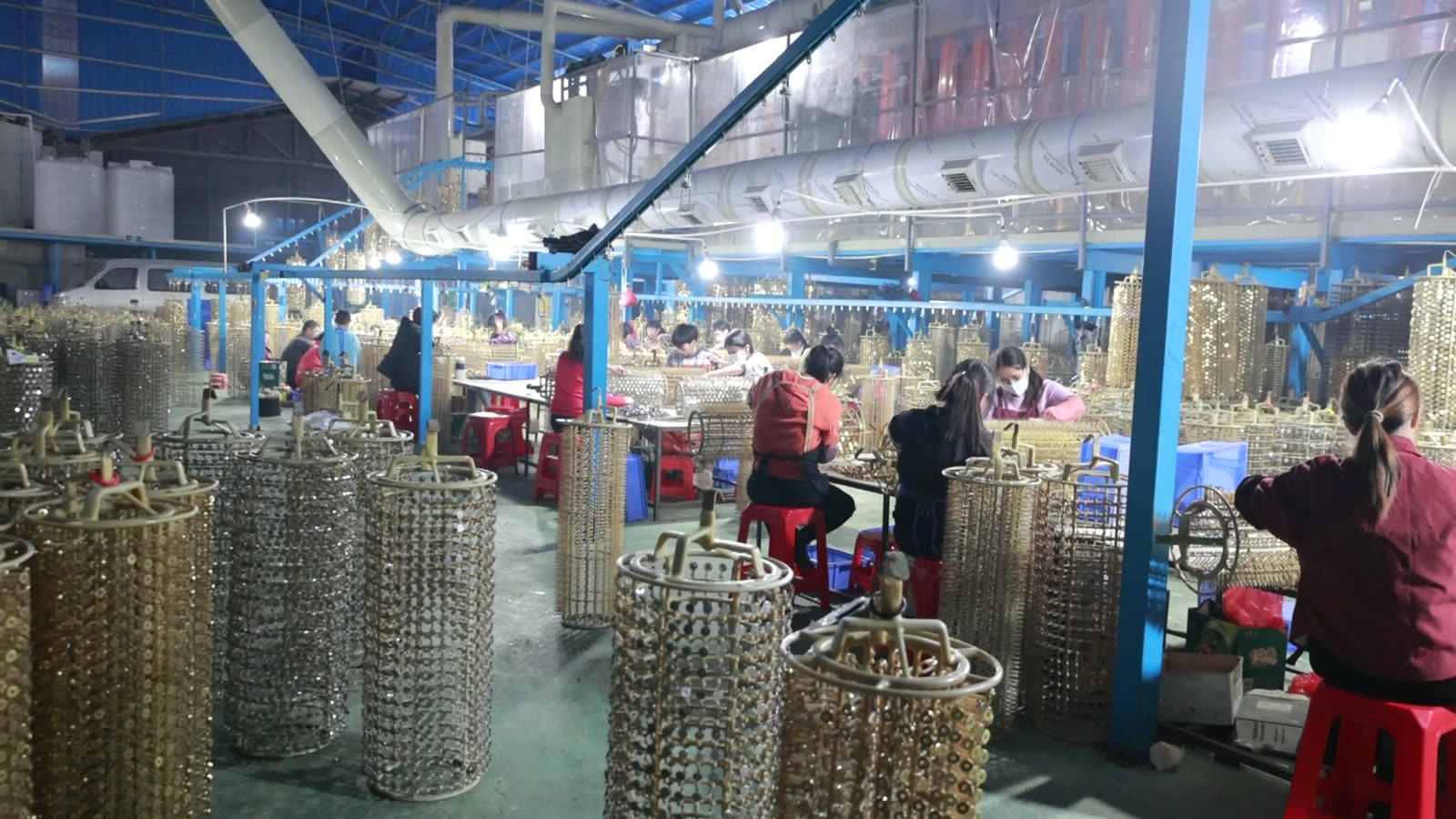
Engineer notes
- Flat parts stick in pairs — add media or reduce load
- Coverage follows turnover quality, not longer cycles
- Warm parts flash faster; cold shop slows cure
- Clean media weekly; loaded media marks faces
- Record dose and cycle per part family
Safety: Tumble machines pinch. Keep guards closed, and never reach into a rotating drum — stop it fully first.
FAQ
Why do some faces stay bare after tumbling?
Parts stuck together. Raise media ratio or shorten the load.
How do I judge the right dose?
By part area: weigh the cup dose, log it, and adjust by coverage inspection per cycle.
Can I mix big and small parts?
Better not — size segregation causes uneven film; split by family.
Which single metric should I start reporting weekly?
First-pass yield by defect family; it exposes rework cost and points at the largest lever.