
The question every buyer asks
Misconception: the belief "trivalent passivation is much worse than hexavalent" has shifted over a decade to "essentially equivalent" — modern trivalent + sealers reach 150–250h to white rust.
This page answers Trivalent vs hexavalent chromate: cost, color, salt spray — a top recurring question from real QLQ customers — with the line-level detail our technicians actually use. Parameters are industry-standard starting ranges; confirm against your supplier TDS.
Reference table
| System | Salt spray | Cost | Compliance | Misuse risk |
|---|---|---|---|---|
| Hex iridescent zinc | benchmark 96–200h | low | restricted in EU/US | exporting with Cr⁶⁺ → rejected |
| Trivalent + sealer | 150–250h white rust | 2–4x | RoHS friendly | bare trivalent without sealer → degraded |
| Olive drab | high corrosion resistance | low | hex only | "trivalent olive drab" on a drawing = nonexistent |
How we handle it on the line
- The real discussion is compliance necessity and cost, not vague performance folklore.
- Definitions: hexavalent passivation = traditional iridescent/olive zinc, strong performance but Cr⁶⁺ is highly toxic and restricted by RoHS/REACH; trivalent = ~1/100 the toxicity, + sealer restores performance; decorative chrome plating is a separate trivalent/hexavalent bath question.
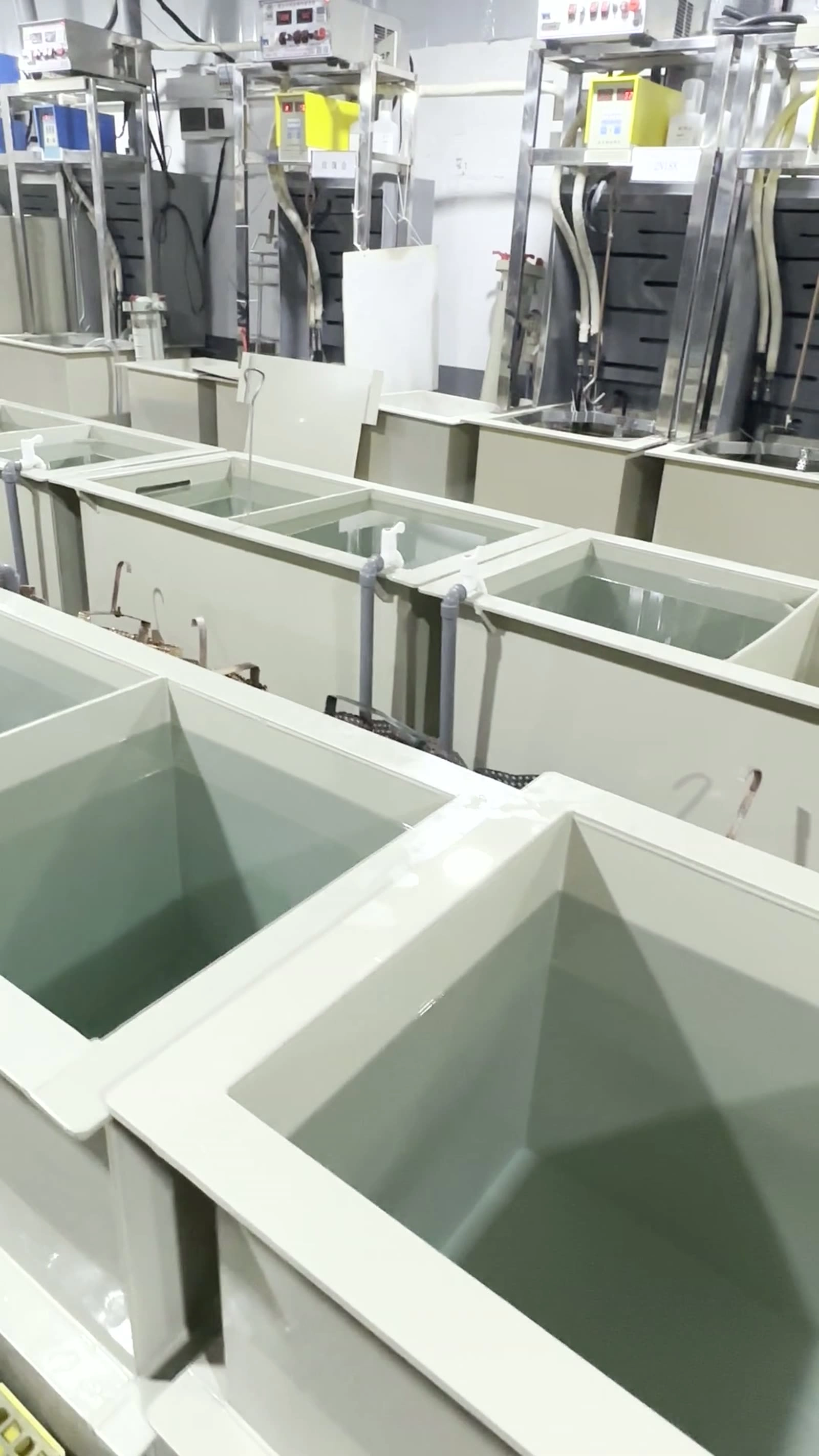
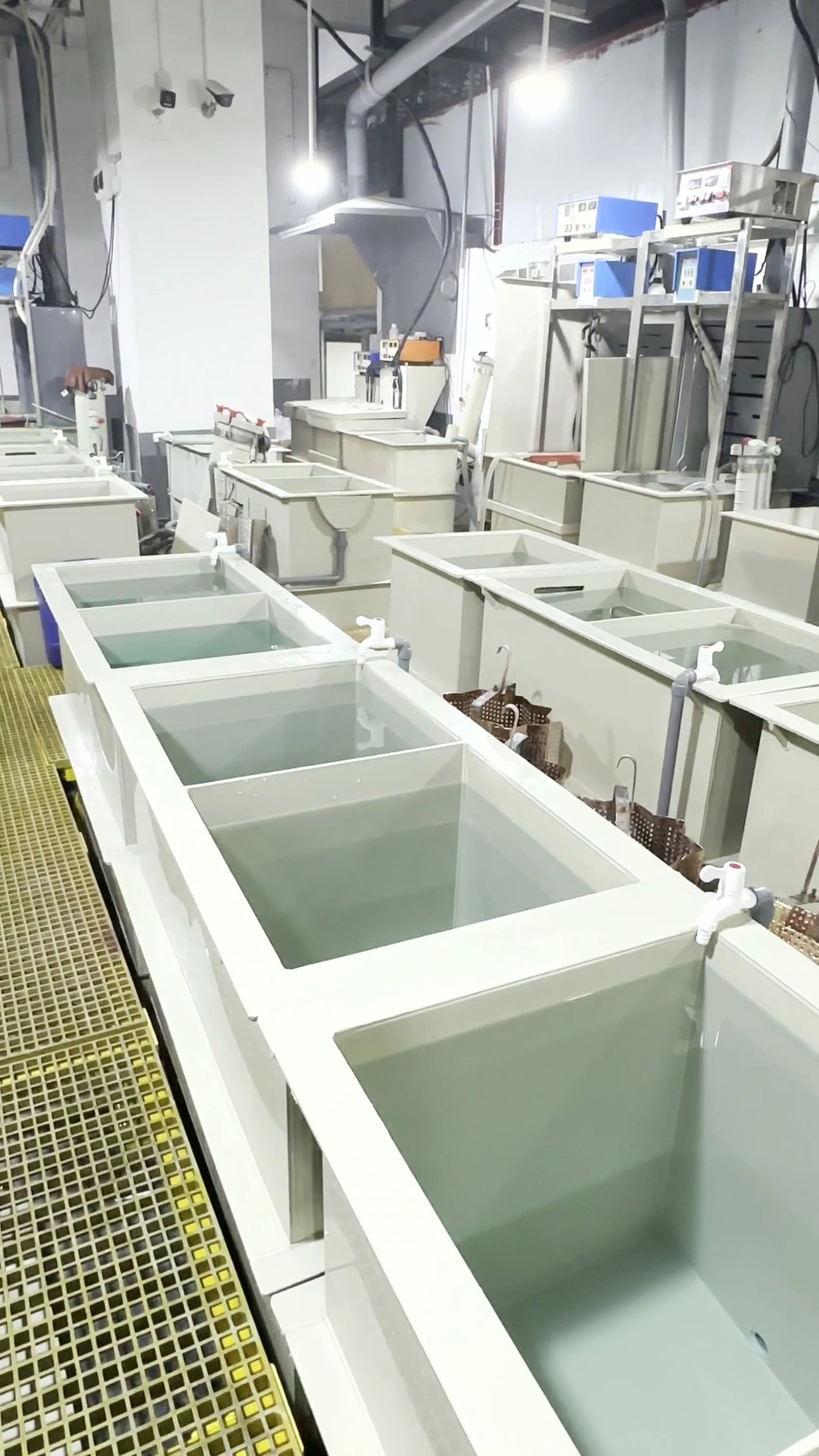
- Options: QLQ's in-house plating shop runs both systems — traditional for domestic/unrestricted markets to save cost; trivalent + sealer with RoHS reports for EU/US exports.
- Callout trap: trivalent films differ slightly in hue from hexavalent — lock a color reference plate at sampling to avoid mixed-line color drift.
- Ask: 1) is my target market Cr⁶⁺-restricted?
- 2) what trivalent cost premium is acceptable?
Honest boundaries
- 3) does the vendor have measured trivalent salt-spray data (not brochure numbers)?
- Honest boundary: mild degradation of trivalent films over time is normal; "Cr⁶⁺ degrades away so it doesn't matter" is a debunked myth.
- Next step: tell QLQ your target market; we reply with system selection and a measured-report sample.
FAQ
Can QLQ provide test reports with the delivery?
Yes — salt spray, thickness and adhesion reports are attached per lot on request.
Can QLQ provide test reports with the delivery?
Yes — salt spray, thickness and adhesion reports are attached per lot on request.
Can QLQ provide test reports with the delivery?
Yes — salt spray, thickness and adhesion reports are attached per lot on request.