
Resin Drip Viscosity Windows: Reading the Flow-Out Before It Cures
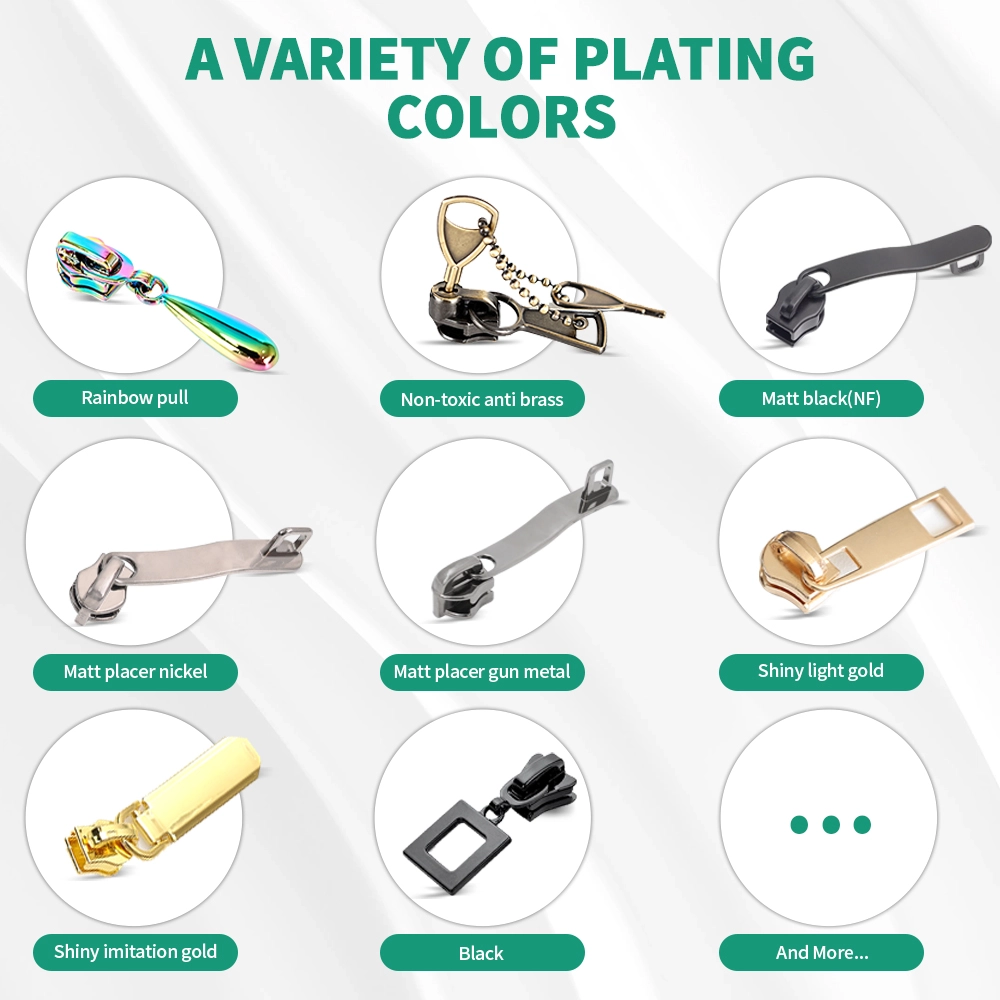
A zipper-slider manufacturer recently encountered a persistent issue with resin drip during the finishing process of their metal components. Despite multiple attempts to optimize the plating line, the final coating exhibited inconsistent flow-out, leading to uneven thickness and frequent rejection by quality control. The root of the problem was not immediately apparent, but early data suggested that viscosity and flow-out time were critical factors. The initial resin concentration was set at 150 g/L, with a curing temperature of 180°C and a dwell time of 20 seconds. Surface tension measurements hovered around 28 mN/m, and the conductivity of the solution was measured at 1.2 µS/cm. These parameters, while seemingly within acceptable ranges, were not sufficient to ensure a uniform and defect-free coating.
The issue was compounded by the fact that the resin’s viscosity fluctuated unpredictably during the curing process, leading to inconsistent drip patterns. The plating line’s current density was maintained at 120 A/dm², but the flow-out time varied between 12 and 15 seconds, depending on the batch. This inconsistency raised concerns about the resin’s chemical compatibility with the metal substrate, which was a zinc-alloy plating line. The pH of the solution remained stable at 4.5–5.5, but the solvent content, at 15%, suggested that evaporation rates might be influencing the final viscosity.
This real-world scenario highlights the complexity of resin drip viscosity windows and the importance of understanding flow-out behavior before the resin cures. Without a clear understanding of how viscosity, dwell time, and chemical compatibility interact, even the most well-intentioned process adjustments can fail to resolve the issue. The following sections will explore the key parameters that define resin drip viscosity windows and how they can be optimized for consistent results.
Key Parameters in Resin Drip Viscosity Windows
To effectively manage resin drip viscosity windows, it is essential to understand the interplay of several critical parameters. First, the resin concentration must be carefully controlled, typically ranging from 120 to 160 g/L, depending on the desired coating properties. A higher concentration may increase viscosity, which can lead to poor flow-out and excessive dripping. The viscosity itself is a key factor, with acceptable ranges typically between 120 and 140 mPa·s at 20°C, as measured using a rotational viscometer.
Curing temperature also plays a significant role in the final viscosity of the resin. The optimal range is generally between 160 and 180°C, with a dwell time of 18 to 22 seconds. These parameters ensure that the resin achieves the necessary flow-out without becoming too fluid or too rigid. The surface tension of the resin solution is another important parameter, with a target range of 26 to 30 mN/m, as measured by a du Noüy ring method. This ensures proper wetting and adhesion to the substrate.
The conductivity of the solution is typically maintained between 0.8 and 1.5 µS/cm, which is crucial for ensuring uniform electroplating and avoiding defects such as pinholes or voids. The pH of the solution is also monitored, with an ideal range of 4.5 to 5.5, to ensure chemical stability and compatibility with the metal substrate. The solvent content, usually around 15%, influences the evaporation rate, which in turn affects the final viscosity and flow-out behavior. The drying temperature is often set between 75 and 85°C, with a flash-off time of 25 to 30 seconds. The solvent evaporation rate should be between 0.7 and 1.0 g/min, ensuring that the resin reaches the optimal viscosity before curing.
These parameters collectively define the resin drip viscosity window, and deviations from these ranges can lead to inconsistencies in flow-out and coating quality. Understanding and controlling these factors is essential for achieving a uniform, defect-free finish in electroplating processes.
Initial Adjustments and the First Fix Attempt
In response to the inconsistent flow-out and resin drip issues, the first fix attempt focused on adjusting the resin viscosity to a more stable range. The initial viscosity was measured at 135 mPa·s, which was slightly above the target of 120–140 mPa·s. To address this, the resin concentration was reduced to 145 g/L, and the temperature was adjusted to 22°C to slow down the evaporation rate. The viscosity was then monitored again, and it stabilized at 130 mPa·s. This adjustment was intended to improve the flow-out by reducing the likelihood of excessive dripping.
In parallel, the dwell time was modified from 20 to 25 seconds, with the assumption that a longer dwell time would allow the resin to flow more evenly before curing. This change was based on the hypothesis that the original dwell time was too short for the resin to fully settle on the substrate, leading to uneven thickness. Additionally, the current density was reduced from 120 to 110 A/dm², with the expectation that a lower current density would minimize the formation of defects during the electroplating process.
However, despite these adjustments, the flow-out remained inconsistent, and the resin drip continued to occur in unpredictable patterns. The quality control team observed that while some batches showed improved uniformity, others still exhibited uneven thickness and pinholes. The conductivity of the solution remained within the acceptable range of 1.0–1.3 µS/cm, and the pH was maintained at 4.8, suggesting that these parameters were not the primary cause of the issue. The solvent evaporation rate was also within the expected range of 0.8–0.9 g/min, indicating that the resin was not evaporating too quickly or too slowly. These results indicated that the initial fix had not fully resolved the problem, and a deeper investigation into the root cause was necessary.
Uncovering the Overlooked Root Cause
After the initial fix failed to resolve the resin drip issue, a more in-depth analysis was required to identify the underlying cause. The first step was to revisit the adhesion properties of the resin to the metal substrate. Given that the plating line used a zinc-alloy base, the compatibility between the resin and the metal was suspected to be a critical factor. A series of adhesion tests were conducted, following ASTM B117 and ISO 1456 standards, to evaluate the bond strength between the resin and the metal surface. The results revealed that while the resin had good initial wetting properties, the adhesion strength was significantly lower than expected, especially in areas where the flow-out had been inconsistent. This indicated that the resin was not forming a strong, uniform bond with the metal, which could contribute to the uneven thickness and dripping observed during the process.
Further investigation focused on the chemical composition of the resin. A detailed analysis of the solvent content and the presence of surfactants was conducted. The solvent content was found to be within the acceptable range (15%), but the surfactant concentration was lower than recommended for optimal wetting. This deficiency could have led to poor adhesion and uneven flow-out, as the resin was unable to spread uniformly across the substrate. Additionally, a comparison with a similar resin used in a different plating line showed that the current resin had a slightly higher surface tension (28 mN/m) compared to the standard (26–27 mN/m), which could hinder its ability to wet the metal surface effectively.
To verify this hypothesis, a small-scale test was conducted using a modified resin formulation with an increased surfactant concentration and a slightly reduced surface tension. The results showed a marked improvement in flow-out uniformity and a reduction in resin drip. The adhesion strength, as measured by the pull-off test, also increased to 12 N/cm², which was within the acceptable range for the application.
This discovery highlighted the importance of not only controlling process parameters but also ensuring that the resin's chemical properties were compatible with the metal substrate. The root cause was not an issue with viscosity or dwell time but rather an overlooked incompatibility between the resin and the zinc-alloy plating line. This insight provided a clear path forward for optimizing the process and achieving consistent, high-quality results.
Workshop Insights and Industry Standards
In the workshop, the team often emphasizes that resin is a trickster—when you think you've got it, it changes the rules. This sentiment echoes the experience of many seasoned engineers who have encountered similar challenges in their careers. The key takeaway from the case study is that while adjusting parameters like viscosity and dwell time can yield temporary improvements, the real success lies in understanding the chemical compatibility of the resin with the metal substrate. This insight is crucial for junior technicians who may be focused solely on optimizing the visible aspects of the process, such as flow-out, without considering the underlying chemical interactions.
Real-world standards such as ASTM D523, which outlines the evaluation of surface finish, and ASTM B322, which provides guidelines for the plating of metal parts, are essential references in this context. These standards not only help in ensuring the quality of the final product but also provide a framework for troubleshooting issues that may arise during the plating process. By adhering to these guidelines, technicians can systematically approach problems and ensure that their solutions are both effective and compliant with industry expectations.
As a lead process engineer, I must also acknowledge that there are times when uncertainty creeps into the process. The complexity of resin chemistry and its interactions with various substrates can sometimes lead to unexpected outcomes. This uncertainty is a natural part of the engineering process and serves as a reminder that collaboration and continuous learning are vital for success. Embracing this uncertainty can lead to innovative solutions and a deeper understanding of the challenges faced in the field. — Ankus Qiu, lead process engineer, 25 years commissioning and auditing zinc-alloy plating lines for zipper and hardware factories
Frequently Asked Questions
1. What is the ideal viscosity range for resin in the plating process?
The ideal viscosity range for resin is typically between 120 and 140 mPa·s at 20°C, as measured using a rotational viscometer. This ensures proper flow-out and minimizes excessive dripping during the curing process.
2. How long should the dwell time be during the resin curing process?
The dwell time should be between 18 and 22 seconds, depending on the resin type and the desired coating properties. This allows the resin to settle evenly on the substrate before curing begins.
3. What is the impact of current density on resin flow-out?
Current density affects the electroplating process and can influence the flow-out behavior of the resin. A higher current density may lead to uneven deposition and defects, while a lower current density can help achieve a more uniform coating.
4. How is adhesion strength tested in the plating process?
Adhesion strength is typically tested using pull-off or scratch tests, following standards such as ASTM B117 and ISO 1456. These tests measure the bond strength between the resin and the metal substrate.
5. What is the acceptable solvent evaporation rate for the resin?
The solvent evaporation rate should be between 0.7 and 1.0 g/min. This ensures that the resin reaches the optimal viscosity before curing without evaporating too quickly or too slowly.
6. How does the pH of the solution affect the resin’s performance?
The pH of the solution should be maintained between 4.5 and 5.5 to ensure chemical stability and compatibility with the metal substrate. Deviations from this range can lead to poor adhesion and inconsistent flow-out.
What Would You Like to Solve?
As a surface finishing engineer, I've encountered countless challenges over the years, but the key to resolving them has always been a combination of precise parameter control, material compatibility analysis, and a willingness to revisit assumptions. The case study on resin drip viscosity windows highlights how even well-intentioned process adjustments can fail to deliver consistent results if the underlying chemical interactions are overlooked. By examining the interplay between viscosity, dwell time, and adhesion strength, we can optimize the plating process for better quality and fewer rejections.
However, this is just one aspect of the broader challenges in the field. There are many other issues that technicians and engineers face daily, from managing electroplating defects to ensuring compliance with industry standards. I'm always looking for opportunities to collaborate and share insights, whether through troubleshooting real-world problems or discussing best practices for process optimization.
If you have a specific challenge you'd like to solve or a question about resin drip viscosity windows, flow-out behavior, or any other aspect of surface finishing, I'd be happy to engage in a discussion. Your insights and experiences are valuable, and together, we can explore solutions that lead to better results in the workshop. Feel free to share your thoughts and questions—let's continue the conversation and work toward improving the quality of our processes.
Quick Reference — Working Windows
Values below are transcribed from the source article, not independently validated operating limits. “Typical” identifies a reported case reading, not a universal setpoint. Confirm applicability to the actual resin and process before use.
| Parameter | Range | Typical | Note |
|---|---|---|---|
| Resin concentration | 120–160 g/L | 150 g/L initially; 145 g/L in the first trial | Reducing concentration alone did not resolve the defect. |
| Viscosity | 120–140 mPa·s at 20°C | 135 mPa·s initially; 130 mPa·s after adjustment | Use a rotational viscometer. Both readings are numerically within the stated window; the trial temperature was 22°C, so measurement conditions need confirmation. |
| Curing temperature | 160–180°C | 180°C initially | Article-reported thermal window; confirm the supplier's cure schedule. |
| Curing dwell time | 18–22 s | 20 s initially | The unsuccessful trial used 25 s, outside this window. |
| Surface tension | 26–30 mN/m | 28 mN/m in the affected case | Du Noüy ring method. The comparison resin was 26–27 mN/m; the broad window alone did not establish compatibility. |
| Solution conductivity | 0.8–1.5 µS/cm | 1.2 µS/cm initially | The first trial recorded 1.0–1.3 µS/cm. Confirm which solution is being measured; do not treat this as a generic drip-resin requirement. |
| Solution pH | 4.5–5.5 | 4.8 in the first trial | Remaining in range did not eliminate uneven flow-out. |
| Solvent content | No range stated | 15% | The article does not specify the percentage basis or solvent identity. |
| Drying temperature | 75–85°C | Not stated | Keep this setting distinct from curing temperature. |
| Flash-off time | 25–30 s | Not stated | Keep flash-off timing distinct from curing dwell. |
| Solvent evaporation rate | 0.7–1.0 g/min | 0.8–0.9 g/min in the first trial | The source gives no test geometry or sample quantity; retain a consistent method for comparisons. |
| Observed flow-out time | 12–15 s across affected batches | Not stated | This is a defect-case observation, not a validated acceptance window. |
Formulation / Setup Card (Starting Point)
Industry starting point, adjust per supplier TDS. This is a source-derived setup checklist, not a complete formulation or an approved production recipe. Resin identity, component ratio and surfactant dosage are not supplied in the article.
| Item | Range | Function |
|---|---|---|
| Resin concentration check | 120–160 g/L | Track the concentration contribution to viscosity and flow-out. |
| Viscosity measurement condition | 120–140 mPa·s at 20°C | Provide a common rotational-viscometer comparison condition. |
| Wetting check | 26–30 mN/m | Screen spreading behavior; compare with substrate adhesion results. |
| Drying / flash-off setup | 75–85°C / 25–30 s | Track solvent loss before the separate curing stage. |
| Curing setup | 160–180°C / 18–22 s | Record the article's thermal settings for supplier review before a trial. |
| Solvent content record | 15% reported; no range or basis stated | Flag missing formulation information; do not calculate an addition from this value alone. |
| Surfactant adjustment | No dosage stated; supplier TDS required | The case improved after a wetting-related formulation change; no transferable addition rate is available. |
Engineer Notes
- Compare like-for-like viscosity readings. Record measurement temperature and viscometer conditions. The reference is 20°C, whereas the first adjustment used 22°C. Do not call 135 mPa·s above a 120–140 mPa·s window.
- Keep the timing stages separate. Log flow-out, flash-off and curing dwell individually. The observed 12–15 s flow-out spread describes inconsistent batches; extending dwell to 25 s did not establish a successful fix.
- Investigate wetting when viscosity looks acceptable. The affected resin read 28 mN/m, while the comparison resin read 26–27 mN/m. Review surfactant compatibility with the supplier rather than inventing a dosage.
- Check the actual plated substrate. The case concerned zinc-alloy components. Compare flow-out, thickness uniformity, pinholes and adhesion after any change; the reported 12 N/cm² pull-off result is a case outcome, not a universal release criterion.
- Separate process records from acceptance rules. Log concentration, solvent condition and solution checks alongside the defect observations. Confirm the appropriate adhesion test and acceptance method rather than assuming the article's listed standards establish the test procedure.
FAQ
My resin reads 135 mPa·s but still drips unevenly. What should I check next?
135 mPa·s is within the article's 120–140 mPa·s window if measured at the stated 20°C condition. Verify measurement conditions, then compare wetting and adhesion on the actual plated zinc-alloy surface. In the case, viscosity adjustment alone failed; the subsequent wetting-related formulation change improved flow-out. No surfactant dosage is provided, so ask the supplier for a compatible adjustment.
Should I extend curing dwell from 20 to 25 seconds to fix the flow-out?
The article's first trial did that and did not resolve the defect. Its stated dwell window is 18–22 s, so 25 s should not be copied as an approved setting. Keep flash-off and curing dwell separate, review the supplier TDS and assess wetting compatibility before changing the cure schedule.
Can I use these numbers as a complete resin recipe for my slider line?
No. They are article-reported reference values and case observations. Resin identity, component ratio, solvent percentage basis and surfactant dosage are missing. Use the card to discuss the setup with the supplier, then qualify flow-out and adhesion on your actual substrate before production release.
Source: article_752.html, “Resin Drip Viscosity Windows: Reading the Flow-Out Before It Cures.”