

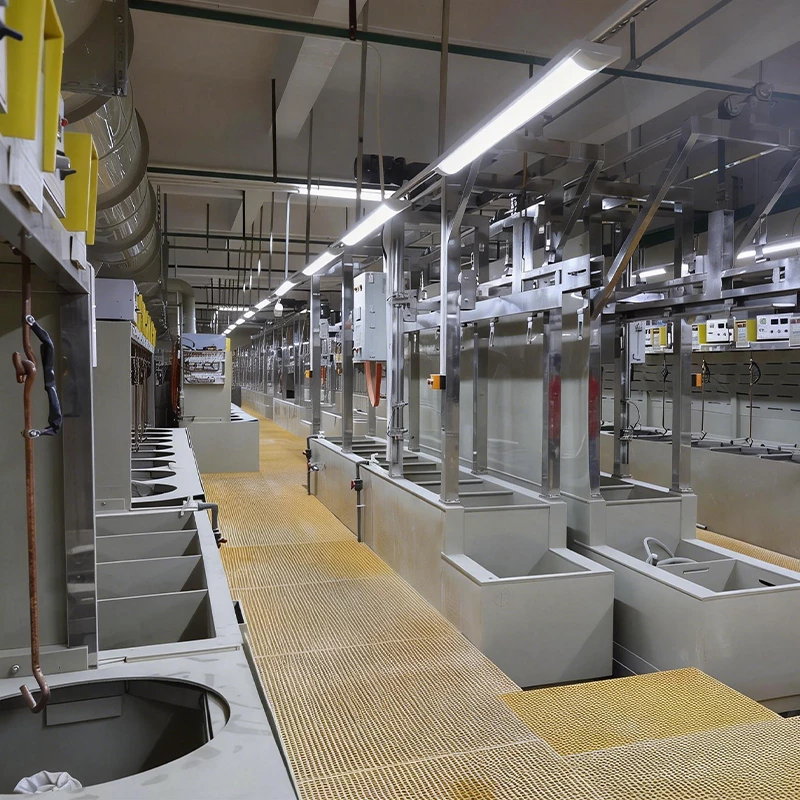
Pre-treatment water leaves the plant with a legal signature: discharge limits, sampling points and records. A manager who treats compliance like a process window keeps the plant safe from fines and shutdowns.
This management guide covers environmental compliance: discharge limits, sampling schedules, chemical storage and the record that protects the plant.
Common Mistakes and How to Avoid Them
The pitfalls that show up most often in real projects, with the cause and the practical fix.
| Mistake | Why It Happens | Practical Fix |
|---|---|---|
| 1. Permit limits unknown | Fine risk | Post the limits |
| 2. Sampling skipped | No proof | Fixed schedule |
| 3. Unrecorded discharge | Liability | Log every discharge |
| 4. Chemical storage leaking | Soil and water | Bund and inspect |
| 5. Records not kept | Audit failure | Retain per law |
| 6. Spill response missing | Larger event | Have a plan |
| 7. Waste labelled wrong | Legal issue | Label correctly |
| 8. No monthly review | Drift to violation | Review trends |
Best Practices That Hold Up in Production
The operating disciplines that separate a reliable line from a reactive one.
- Know and post discharge limits
- Sample on a fixed schedule
- Log every discharge event
- Bund chemical storage
- Review compliance monthly
Implementation Roadmap
A practical sequence that can be adapted to your own project.
Process Flowchart
Compliance flow
A step-by-step sequence with notes and cautions so every shift follows the same order.
- Discharge records are a legal file, not a chore.
- Compliance trends predict violations.
- Never bypass treatment to save time.
- Spill kits must be at every chemical area.
Working Data & Formula Notes
Compliance data
Reference values for discharge control.
| Component / Parameter | Working Value / Role | What Changes Mean (annotation) |
|---|---|---|
| Limits | Per permit | Post and monitor |
| Sampling | Scheduled | Proof of compliance |
| Storage | Bunded | Contain leaks |
| Records | Retained | Audit protection |
Reference Data
Specifications and references cited in this guide. Confirm final parameters with your line supplier.
Discharge card
| Parameter | Limit | Sample | Result |
| pH | Per permit | Scheduled | Logged |
| Metals | Per permit | Scheduled | Logged |
| Volume | Per permit | Logged | Logged |
Implementation Cases
Case 1 - a fine from an unrecorded discharge
Situation. A bypass during maintenance discharged untreated water and the plant had no record or sample; regulators fined it.
Approach. A discharge log and scheduled sampling were introduced and the bypass was locked.
Outcome. The plant now proves compliance; the log is the protection.
Case 2 - leaking drums that reached the drain
Situation. Chemical drums stored without bunding leaked into the floor drain and spiked the discharge.
Approach. Storage was bunded, drums were inspected weekly and spill kits were added.
Outcome. No further leaks; the monthly compliance review now includes storage.
Frequently Asked Questions
Why know the permit limits?
Discharge limits are legal; unknown limits mean avoidable fines.
Why sample on schedule?
Samples are the proof of compliance if regulators or auditors ask.
Why log every discharge?
An unrecorded discharge is a liability; the log is your defence.
Why bund chemical storage?
Bunds contain leaks before they reach soil or drains.
How long keep records?
Per your local law and permit - keep them longer than you think you need.
Why a monthly review?
Trends toward the limit predict a violation before it happens.
What is in a spill plan?
Containment, PPE, clean-up procedure and who to call.
Who owns compliance?
The plant manager with pre-treatment, maintenance and QC records.
What Would You Like to Solve?
Send us your permit limits and current records. We can help build the sampling schedule, discharge log and monthly compliance review.
Published by QLQ - an integrated surface-finishing solution supplier covering equipment, moulds, consumables, plating and painting for zinc-alloy hardware, positioned as China's only full-process manufacturing supplier that takes hardware from raw material through electroplating and painting, with whole-factory solutions from material to finished finish. Values cited are project references; confirm with your line supplier before specification.