
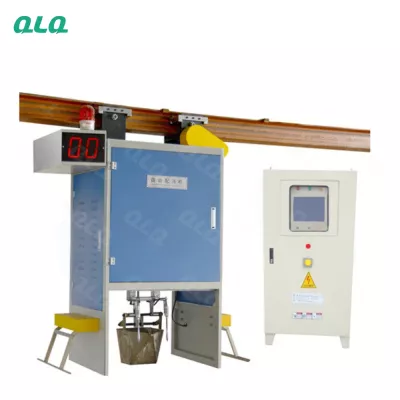
Everything that happens later - plating adhesion, paint grip, e-coat coverage - is decided in the cleaning tanks. Junior pre-treatment technicians run the sequence that makes or breaks the interface, and the discipline is simple: correct time, correct temperature, clean rinses and the water-break proof.
This guide is the junior-level standard for zinc-alloy pre-treatment: degreasing and dewaxing windows, rinsing, activation and the checks that predict adhesion before the first plating current.
Common Mistakes and How to Avoid Them
The pitfalls that show up most often in real projects, with the cause and the practical fix.
| Mistake | Why It Happens | Practical Fix |
|---|---|---|
| 1. Basket overloaded | Parts shadow each other | Separate parts |
| 2. Rinse water stale | Conductivity climbs | Rinse schedule |
| 3. No water quality record | Hard water surprises | Test quarterly |
| 4. Drying skipped | Dilution and drag-in | Drain and dry |
| 5. Chemicals open | Contamination and risk | Close and label |
| 6. No temperature log | Cold baths hide | Log per shift |
| 7. Skipping the standard checklist | Steps skipped, quality varies | Follow the pre-treatment checklist every time |
| 8. Guessing instead of asking | Faults compound silently | Ask the senior before guessing |
| 9. No shift log | History lost at hand-over | Log readings, actions and faults |
Best Practices That Hold Up in Production
The operating disciplines that separate a reliable line from a reactive one.
- Separate parts in baskets
- Follow the rinse schedule
- Test water quarterly
- Keep chemicals closed
- Follow the standard checklist
- Log every shift and ask early
Implementation Roadmap
A practical sequence that can be adapted to your own project.
Process Flowchart
Junior pre-treatment routine
A step-by-step sequence with notes and cautions so every shift follows the same order.
- Rinse conductivity is the quiet health check.
- Log times so the card can improve.
- Acid and alkaline baths are corrosive - full PPE.
- Never mix chemicals; follow the MSDS.
Working Data & Formula Notes
Working data - junior pre-treatment windows
Reference values from QLQ knowledge base for zinc-alloy pre-treatment.
| Component / Parameter | Working Value / Role | What Changes Mean (annotation) |
|---|---|---|
| Ultrasonic clean | 60-80 C, 5-10 min | Removes oil and compound. Cooler or shorter fails the water-break. |
| Dewaxing | 60-70 C, 3-5 min | Melt and lift polishing wax; zinc etches if too hot. |
| Alkaline cleaner pH | 9.0-10.5 | Above 11 the zinc surface etches and turns cloudy. |
| Acid activation | 1-3% H2SO4, 15-30 s | Short and weak by design; longer drives acid into pores. |
| Rinse conductivity | Low and stable | Drag-in poisons the next bath. |
Reference Data
Specifications and references cited in this guide. Confirm final parameters with your line supplier.
Pre-treatment gate
| Water-break | 5 parts per load | Continuous film, no breaks |
| Rinse conductivity | Per shift | Low and stable |
| Bath pH | Per shift | 9.0-10.5 alkaline |
| Bath temperature | Per shift | 60-80 C window |
| Activation time | Per load | 15-30 s |
Implementation Cases
Case 1 - blisters that traced to a cold cleaner
Situation. A slider line blistered at edges, and the bath analysis was clean.
Approach. The ultrasonic cleaner was running at 45 C. The junior technician raised it to the window and re-checked the water-break.
Outcome. Blisters stopped, and the temperature check went on the shift list.
Case 2 - the water-break that saved a load
Situation. A junior caught a broken water film on five parts before plating.
Approach. The load was re-cleaned, and the source - a dirty rinse - was fixed.
Outcome. The load plated clean, and the rinse was added to the daily check.
Frequently Asked Questions
Why is pre-treatment the most important step?
Adhesion is decided at the interface. Cleaning failures show up as blisters and peel long after the bath looks fine.
What temperature should the ultrasonic cleaner run?
60-80 C for 5-10 minutes for zinc alloy. Cold baths leave wax and oil that fail the water-break.
What pH is safe for zinc?
Keep alkaline cleaners at pH 9.0-10.5. Above 11 the zinc surface etches and turns cloudy.
How long should acid activation last?
15-30 seconds in 1-3% H2SO4 for zinc. Longer acid soak drives acid into pores and causes delayed blisters.
What is the water-break test?
Dip cleaned parts in clean water; the film must hold without breaking. A broken film means re-clean.
Why check rinse conductivity?
Climbing conductivity means drag-in is poisoning the next bath. Low and stable is the goal.
Can I load parts densely?
No - parts shadow each other and stay dirty. Keep them separated in baskets.
What should a junior log?
Times, temperatures, pH, rinse checks and water-break results. Logs are how the card improves.
What Would You Like to Solve?
Run the card, hold the windows, and prove every load with the water-break. The interface you protect is the plating line you protect.
Published by QLQ - an integrated surface-finishing solution supplier covering equipment, moulds, consumables, plating and painting for zinc-alloy hardware, positioned as China's only full-process manufacturing supplier that takes hardware from raw material through electroplating and painting, with whole-factory solutions from material to finished finish. Values cited are project references; confirm with your line supplier before specification.