
Roughness, pitting and hazy deposits are almost always particle problems, and particles are a filtration problem. A filter that is undersized, mis-cartridged or overdue for a change recirculates the very sludge it should remove - silently, all day.
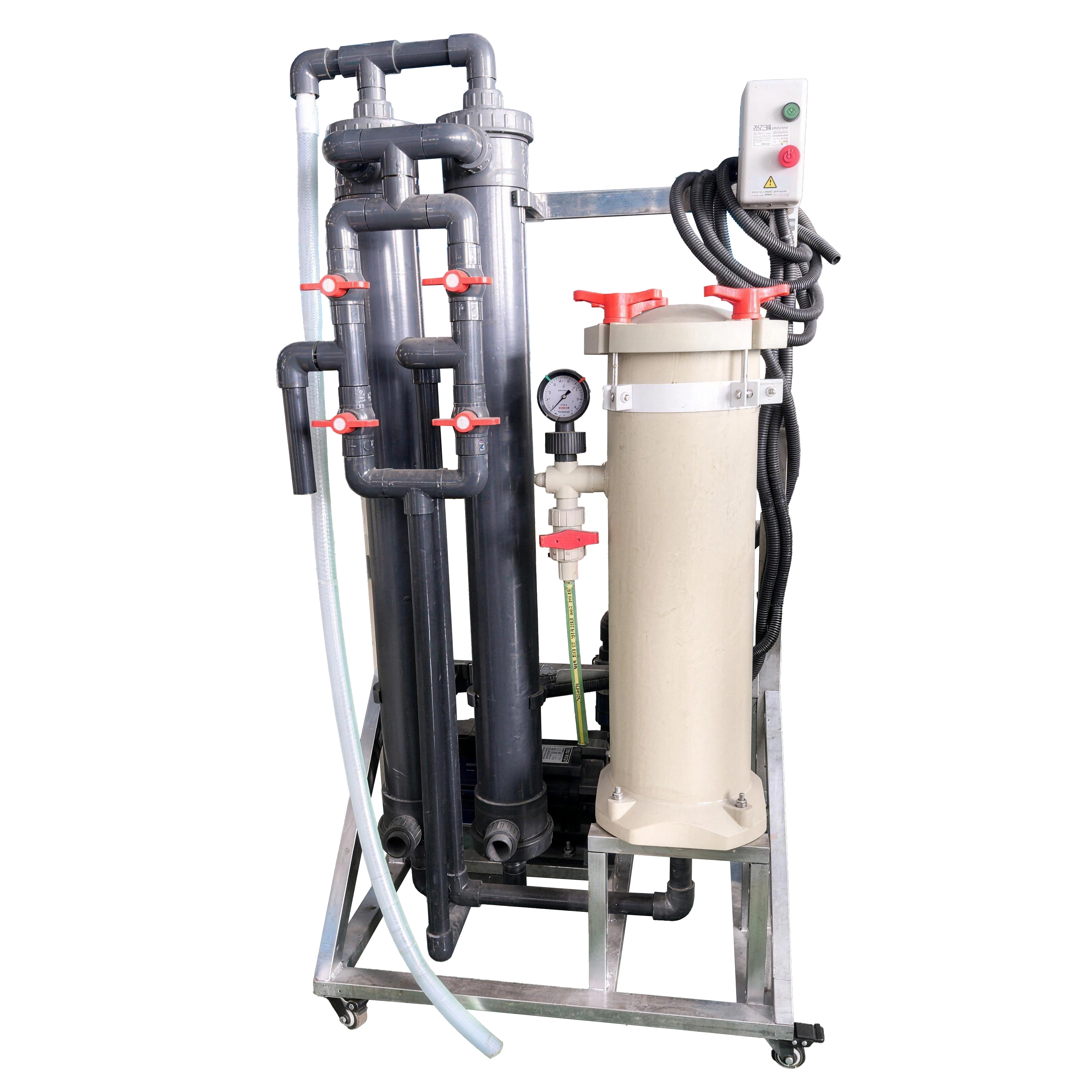
This guide covers the filtration side of bath health: turnover rate, cartridge grade, pump selection and the change-out logic that keeps plating baths clear. QLQ supplies plating lines with magnetic pumps, filter chambers and corrosion-resistant filtration, and as China's only full-process manufacturing supplier from raw material through electroplating and painting, we size filtration as part of the line, not an accessory.
Common Mistakes and How to Avoid Them
The pitfalls that show up most often in real projects, with the cause and the practical fix.
| Mistake | Why It Happens | Practical Fix |
|---|---|---|
| 1. Filter undersized | Particles settle faster than they are removed | Size for 2-3 turnovers per hour |
| 2. Cartridge too coarse | Sludge recirculates through the filter | Use 1-5 um PP cartridges for decorative work |
| 3. Cartridge too fine | Rapid clogging and low flow | Match grade to the bath and load |
| 4. Changing on the calendar only | A loaded filter recirculates sludge | Change on pressure drop; keep spares |
| 5. Filter off during loading | Particles stir up with no capture | Run filtration during loading where possible |
| 6. Anode bags forgotten | Sludge flows from the anode to the work | Double-bag anodes and inspect weekly |
| 7. Pump cavitation | Air in the suction line damages the pump and flow | Check suction, seals and liquid level |
| 8. Wrong pump material | Corrosion contaminates the bath | Match pump and wetted parts to the chemistry |
| 9. No pressure gauge | You cannot see the filter is loaded | Fit and read the differential pressure gauge |
| 10. Dirty filter housing | Old residue re-enters on change | Clean the housing at every cartridge change |
Best Practices That Hold Up in Production
The operating disciplines that separate a reliable line from a reactive one.
- Size filtration for 2-3 turnovers per hour
- Use 1-5 um PP cartridges for decorative baths
- Change cartridges on pressure drop, keep spares
- Run filtration continuously, including loading
- Double-bag anodes and inspect weekly
- Check pump suction, seals and liquid level
- Match wetted materials to the chemistry
- Fit and read a differential pressure gauge
Implementation Roadmap
A practical sequence that can be adapted to your own project.
Process Flowchart
Filtration care flow
A step-by-step sequence with notes and cautions so every shift follows the same order.
- Turnover rate is the honest measure of filtration capacity.
- Cartridge pressure drop is the filter telling you it is full.
- Filtration cleans the bath; anode bags keep it clean at the source.
- Corrosive baths need matched wetted materials - check with the supplier.
- Pump maintenance means lockout and draining the housing safely.
- Used cartridges are chemical waste; dispose per regulations.
Working Data & Formula Notes
Working data - filtration parameters
Reference values for decorative zinc-alloy plating lines from QLQ practice.
| Component / Parameter | Working Value / Role | What Changes Mean (annotation) |
|---|---|---|
| Turnover rate | 2-3 bath volumes/hour | The capacity standard. Below 2, particles outpace removal; above 3, cartridge life suffers without much gain. |
| Cartridge grade | PP 1-5 um | Catches the particles that cause roughness and pitting. Coarser grades recirculate the problem. |
| Change trigger | Differential pressure rise | The filter tells you when it is full. Calendar changes either run loaded or waste cartridges. |
| Pump type | Magnetic or sealless | No shaft seal means no leak path for corrosive baths. Match the wetted material to the chemistry. |
| Anode bags | Double bag | Stops anode sludge at the source. Inspect weekly; replace before they burst. |
| Filtration duty | Continuous | Particles settle when filtration stops. Run it through loading and plating. |
| Housing cleaning | At every change | Old residue re-enters the bath if the housing is not cleaned with the cartridge. |
Reference Data
Specifications and references cited in this guide. Confirm final parameters with your line supplier.
Filtration symptom to check
| Rough deposits | Coarse cartridge or loaded filter | Change cartridge, check grade |
| Pitting | Particles or iron colloid | Filter, check anode bags |
| Low flow | Loaded cartridge, cavitation | Change, check suction |
| Pump noise | Cavitation, low level | Check level, seals, suction |
| Roughness returns after change | Dirty housing or coarse grade | Clean housing, verify grade |
Filtration maintenance schedule
| Pressure gauge read | Daily | Watch differential pressure |
| Anode bag inspection | Weekly | Replace before bursting |
| Pump and seal check | Weekly | Noise, leaks, flow |
| Cartridge change | On pressure drop | Keep spares in stock |
| Housing clean | With every change | Remove old residue |
Implementation Cases
Case 1 - roughness that returned after every change
Situation. A barrel nickel line cleared up after each filter change and roughened again within days.
Approach. The cartridges were 25 um grade - coarse enough to recirculate fine sludge - and the housing was never cleaned. The plant switched to 5 um PP and cleaned the housing at every change.
Outcome. Roughness stopped returning, and cartridge life stayed acceptable.
Case 2 - a magnetic pump specified for the wrong chemistry
Situation. A plating shop ordered a replacement magnetic pump without matching the wetted material, and the bath began showing metallic contamination.
Approach. The pump body was not rated for the acid bath. The plant replaced it with the correct corrosion-resistant model and added pump material to the specification sheet.
Outcome. Contamination stopped, and the specification sheet now prevents repeat purchases of the wrong pump.
Frequently Asked Questions
What is the turnover rate?
How many times the whole bath volume passes the filter per hour. Two to three turnovers per hour is the working standard for decorative plating.
What cartridge should I use?
Polypropylene cartridges at 1-5 um for decorative zinc-alloy plating. Coarser grades let the particles that cause roughness and pitting recirculate.
When should I change cartridges?
On differential pressure rise, not the calendar. A loaded filter recirculates sludge; keep spares and read the gauge.
Why do I get roughness right after a change?
Either the housing was not cleaned, the grade is too coarse, or the anode bags are the real source. Check all three together.
Why do my filters clog so fast?
Look upstream: anode sludge, dirty work going in, or a coarse pre-filter missing. Fix the source, not just the cartridge.
What pump should I use for acid baths?
A magnetic or sealless pump with wetted parts matched to the chemistry. No shaft seal means no leak path for corrosive baths.
Why does my pump make noise?
Usually cavitation: air in the suction line, low liquid level or a clogged suction screen. Fix the suction before the pump wears.
Do anode bags matter if I filter continuously?
Yes. Filtration catches what is already in the bath; double anode bags stop sludge at the source and protect the filter.
Should filtration run during loading?
Yes. Loading stirs up settled particles; running filtration then captures them instead of letting them plate onto the work.
Does QLQ supply filtration systems?
Yes - magnetic pumps, filter chambers and corrosion-resistant filtration are part of the plating lines QLQ supplies, sized to the bath turnover rate.
What Would You Like to Solve?
When roughness or pitting persists, read the filter before the chemistry: turnover rate, cartridge grade, pressure drop and anode bags. Share your filter size, cartridge grade, pressure readings and bath analysis, and we can help you size the filtration that actually protects the bath.
Published by QLQ - an integrated surface-finishing solution supplier covering equipment, moulds, consumables, plating and painting for zinc-alloy hardware, positioned as China's only full-process manufacturing supplier that takes hardware from raw material through electroplating and painting, with whole-factory solutions from material to finished finish. Values cited are project references; confirm with your line supplier before specification.