
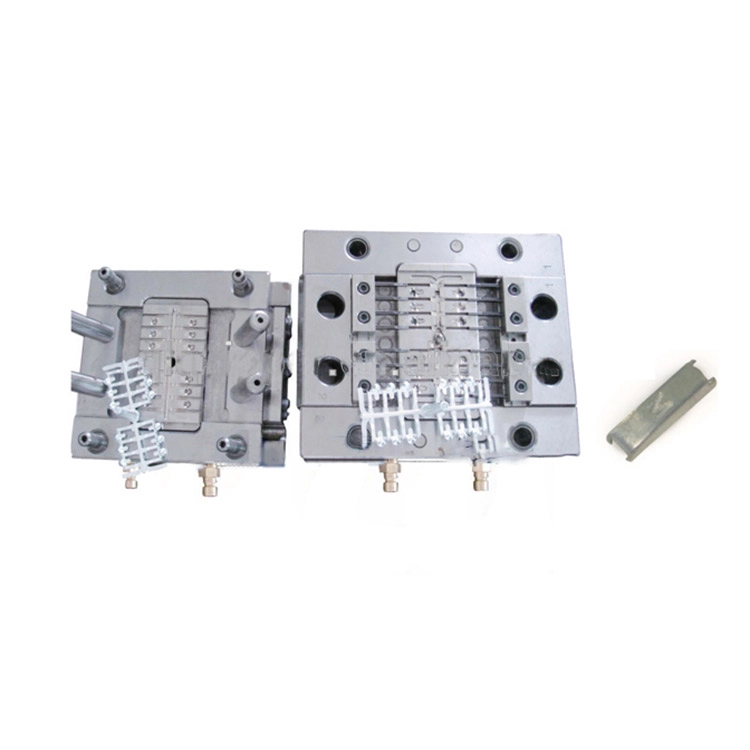
At eight years, the die-casting problems worth solving are the ones that show up somewhere else: porosity that blisters in nickel, inclusions that appear after polishing, cold shuts that hide under paint. Senior technicians trace the defect to the shot and the melt, not the complaint.
This guide covers senior die-casting diagnosis: tracing defects across the chain, melt and mould evidence, and the controlled batches that prove the fix.
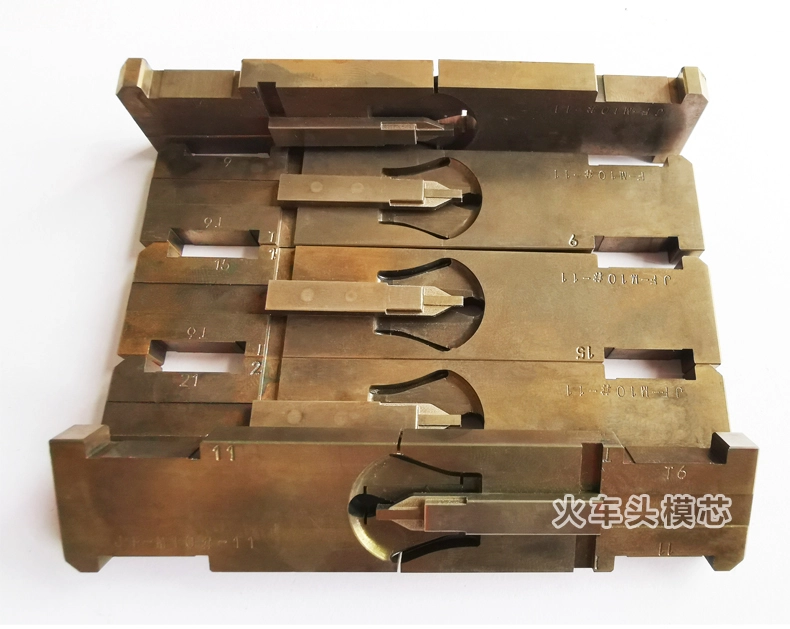
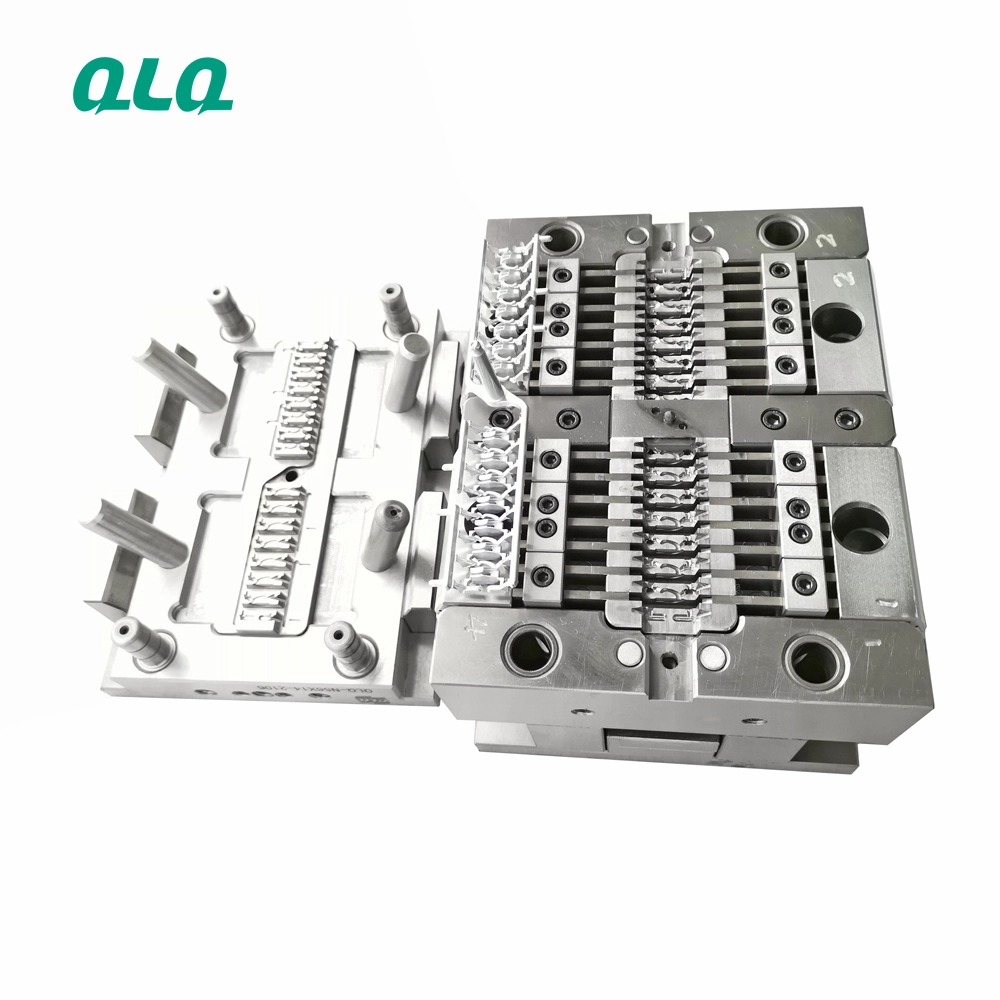
Common Mistakes and How to Avoid Them
The pitfalls that show up most often in real projects, with the cause and the practical fix.
| Mistake | Why It Happens | Practical Fix |
|---|---|---|
| 1. Thermocouple unverified | Melt window lies | Reference check weekly |
| 2. Gate wear not measured | Flow marks appear | Measure at maintenance |
| 3. Vents blocked | Gas burns and porosity | Clean per run |
| 4. Release over-sprayed | Baked build-up | Minimum effective coat |
| 5. Ejector action too aggressive | Marks and sticking | Soften ejector settings |
| 6. No shot log | Setups lost | Log each setup |
| 7. Treating symptoms | The chain carries the fault | Trace to the root cause |
| 8. No trend data | Drift invisible | Trend the key die casting metrics |
| 9. Fixes without proof | Faults return | Controlled batch verification |
Best Practices That Hold Up in Production
The operating disciplines that separate a reliable line from a reactive one.
- Verify thermocouples weekly
- Measure the gate at maintenance
- Clean vents per run
- Log every shot setup
- Trace the root cause
- Prove fixes with data
Implementation Roadmap
A practical sequence that can be adapted to your own project.
Process Flowchart
Senior die-casting diagnosis flow
A step-by-step sequence with notes and cautions so every shift follows the same order.
- Plating and polishing rejects are casting feedback.
- Sections turn suspicion into evidence.
- Sectioning needs proper lab tools.
- Hot melt and mould work needs full PPE.
Working Data & Formula Notes
Working data - senior die-casting checks
Reference checks for cross-process die-casting faults.
| Component / Parameter | Working Value / Role | What Changes Mean (annotation) |
|---|---|---|
| Melt log | Per shift | Temperature and dross evidence for every batch. |
| Mould card | Per mould | Shots, wear and repairs predict failures. |
| Section | On suspicion | Reveals internal gas or shrinkage porosity. |
| Bake test | 120 C, 1 h | Confirms porosity before finishing. |
| Controlled batch | One change | Proves the fix with linked data. |
Reference Data
Specifications and references cited in this guide. Confirm final parameters with your line supplier.
Signature to source
| Blisters after nickel | Porosity | Bake test, section, melt log |
| Inclusions after polishing | Dross | Skim record, melt temp |
| Cold shuts under paint | Melt or mould cold | Windows and logs |
| Flow marks | Gate wear | Mould card and gate measure |
| Shift-dependent faults | Setup drift | Machine cards |
Implementation Cases
Case 1 - blisters traced to a melt log
Situation. A slider family blistered in nickel, and plating blamed casting; casting blamed plating.
Approach. The melt log showed the furnace ran 25 C high for three days with dross skimmed only at day start. The window was restored and skimming enforced.
Outcome. Blisters stopped, and the melt log became the shared evidence.
Case 2 - a mould card that predicted the failure
Situation. Flow marks appeared after a high shot count on one mould.
Approach. The mould card showed the gate was due for measurement. It was worn; the gate was refurbished.
Outcome. Flow marks stopped, and the card triggered the maintenance early.
Frequently Asked Questions
How do I trace a defect that shows in plating?
Work backwards: plating and polishing rejects are casting feedback. Review the melt log, mould card and section the part.
Why keep a melt log?
Temperature and dross records are evidence for every batch. Without them, melt faults are invisible.
What does a mould card tell me?
Shot count, wear, repairs and gate measurements. It predicts the next failure before it prints.
When should I section a part?
Whenever internal porosity is suspected. Surface looks hide gas and shrinkage voids.
What is a controlled batch?
One change, one batch, linked data. It proves the fix instead of guessing.
Why do inclusions appear after polishing?
Dross and oxide from the melt get pumped into the shot. Check the skim record and melt temperature.
Why do faults vary by shift?
Setup drift at shift change. Machine cards and first-article gates fix it.
How do I keep the knowledge in the team?
Cards, logs and training. The senior level turns evidence into procedure.
What Would You Like to Solve?
Collect the evidence, trace the shot, prove the fix. The senior level is where plating rejects become casting data.
Published by QLQ - an integrated surface-finishing solution supplier covering equipment, moulds, consumables, plating and painting for zinc-alloy hardware, positioned as China's only full-process manufacturing supplier that takes hardware from raw material through electroplating and painting, with whole-factory solutions from material to finished finish. Values cited are project references; confirm with your line supplier before specification.