

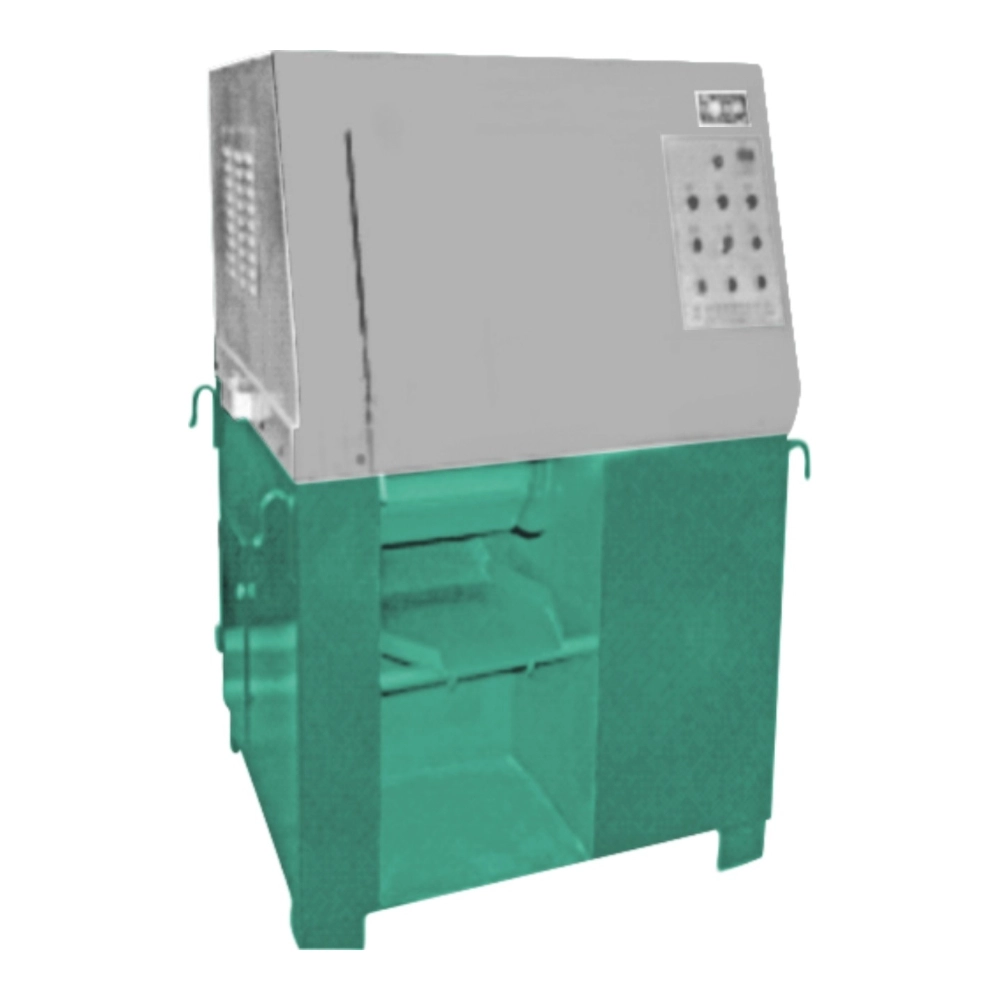
One polishing room often serves zinc, brass and steel parts. Fine dust from brass and steel settles on zinc parts and embeds in the surface, then fails plating as contamination.
This senior guide covers cross-material contamination control: separation, airflow, media discipline and the checks that protect the zinc line.
Common Mistakes and How to Avoid Them
The pitfalls that show up most often in real projects, with the cause and the practical fix.
| Mistake | Why It Happens | Practical Fix |
|---|---|---|
| 1. Shared booths | Dust crosses | Separate material zones |
| 2. Airflow wrong | Dust lands on zinc | Route air away |
| 3. Shared wheels | Embedded brass/steel | Dedicate per material |
| 4. Mixed media | Contamination | Separate and label |
| 5. Compressed air blows dust | Spreads contamination | Use extraction |
| 6. No magnet check | Steel dust hidden | Check zinc parts |
| 7. Floor dust walked | Carried to zinc | Clean and barrier |
| 8. Contamination blamed on plating | Polishing cause | Check the room first |
Best Practices That Hold Up in Production
The operating disciplines that separate a reliable line from a reactive one.
- Separate polishing by material
- Route airflow away from zinc
- Dedicate wheels and tools per material
- Label and separate media
- Run magnet and test-plate checks
Implementation Roadmap
A practical sequence that can be adapted to your own project.
Process Flowchart
Contamination control flow
A step-by-step sequence with notes and cautions so every shift follows the same order.
- Zinc contamination often comes from the room, not the tank.
- A magnet check finds steel dust on zinc parts.
- Never blow dust off with compressed air.
- Media drums must be sealed and labelled.
Working Data & Formula Notes
Contamination data
Reference checks for cross-material control.
| Component / Parameter | Working Value / Role | What Changes Mean (annotation) |
|---|---|---|
| Zones | Per material | Shared space contaminates |
| Airflow | Away from zinc | Dust travels on air |
| Tools | Dedicated | Shared wheels embed |
| Magnet check | Per batch | Finds steel dust |
Reference Data
Specifications and references cited in this guide. Confirm final parameters with your line supplier.
Contamination check card
| Check | Method | Frequency |
| Steel dust | Magnet | Per batch |
| Embedding | Test plate | Per setup |
| Airflow | Smoke test | Weekly |
| Media | Label check | Daily |
Implementation Cases
Case 1 - brass dust that speckled the zinc line
Situation. Zinc parts plated with fine specks; polishing shared a room with brass work and dust settled on the zinc trays.
Approach. Material zones were separated, airflow was routed away from zinc, and trays were covered.
Outcome. Specks stopped; the room map is now the layout standard.
Case 2 - steel dust found by a magnet
Situation. Intermittent roughness on zinc parts was blamed on the bath until a magnet pulled steel dust from freshly polished parts.
Approach. Steel tools were separated from zinc and a magnet check was added per batch.
Outcome. Roughness stopped; the magnet check became a release gate.
Frequently Asked Questions
How does brass or steel dust hurt zinc?
Fine dust embeds in the surface and plates as specks or roughness.
Why separate material zones?
One room with several metals needs physical separation to stop dust crossing.
Why route airflow?
Air carries dust; flow must move it away from the zinc line.
Why dedicated tools?
Shared wheels and belts carry embedded dust from one material to another.
How do I find steel dust?
A magnet check on freshly polished zinc parts shows steel contamination.
Why not compressed air?
It spreads dust across the room; use extraction.
Why a test plate?
A polished sample plate shows embedded contamination before a batch runs.
When review?
Weekly, with the room airflow and contamination checks.
What Would You Like to Solve?
Send us your polishing room layout and contamination symptom. We can help separate the zones, fix airflow and add the magnet checks for your zinc line.
Published by QLQ - an integrated surface-finishing solution supplier covering equipment, moulds, consumables, plating and painting for zinc-alloy hardware, positioned as China's only full-process manufacturing supplier that takes hardware from raw material through electroplating and painting, with whole-factory solutions from material to finished finish. Values cited are project references; confirm with your line supplier before specification.