
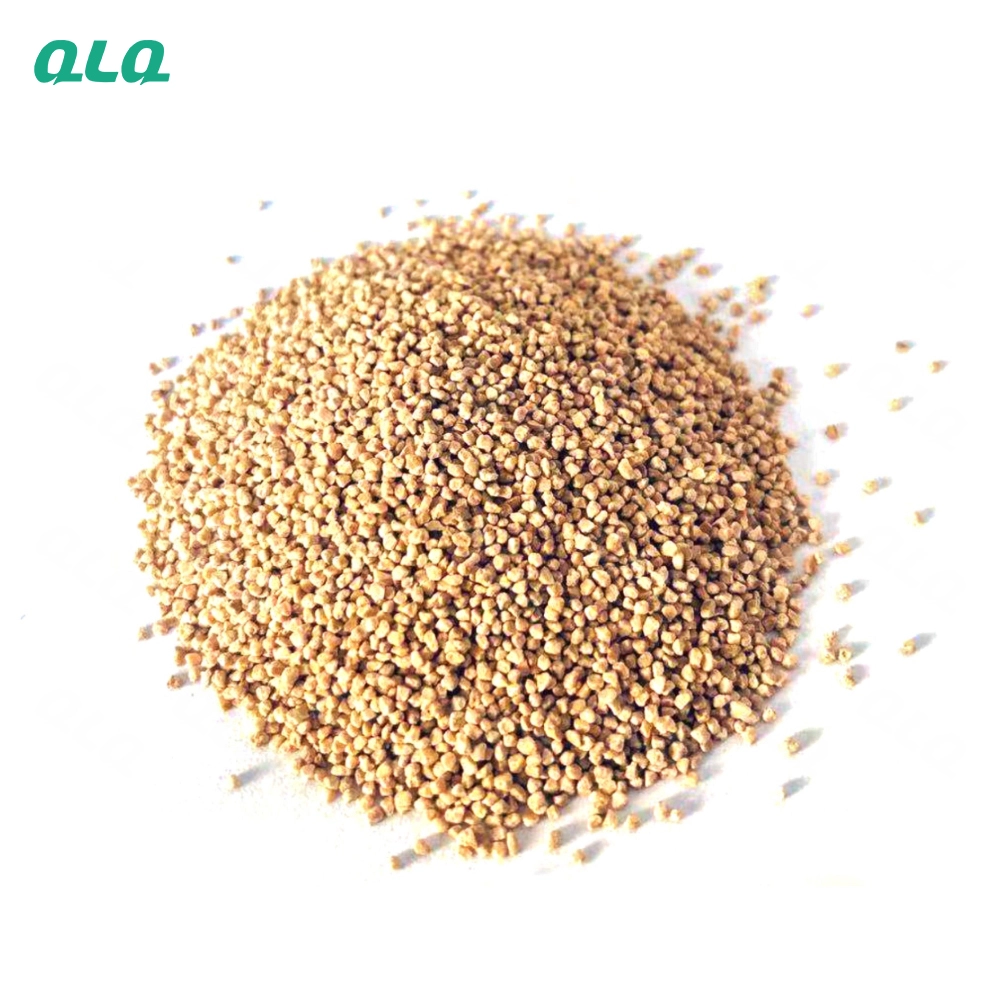
Compound and speed are a pair: the right compound at the wrong speed leaves smears, and the right speed with the wrong compound burns. On zinc alloy hardware both decide whether plating sees a clean receptive surface.
This guide covers compound grades, buff wheel types, RPM and peripheral-speed windows, and how to read loading so you change the right thing.
Common Mistakes and How to Avoid Them
The pitfalls that show up most often in real projects, with the cause and the practical fix.
| Mistake | Why It Happens | Practical Fix |
|---|---|---|
| 1. Same compound for all stages | Cut marks stay in finish | Match grade to stage |
| 2. Speed too high | Heat bakes compound on | Stay in the 30-38 m/s window |
| 3. Wheel too soft for cut | Round edges, slow cut | Harder wheel for cut stage |
| 4. Compound over-applied | Smear that fails plating | Apply thin, even coats |
| 5. No wheel dressing | Glazing and chatter | Dress wheel before use |
| 6. Loading ignored | Burn and streaks | Check and clean every 15 min |
| 7. Compound left on surface | Adhesion failure at plating | Clean-off stage before the line |
| 8. Speed changed mid-batch | Inconsistent gloss | Lock speed per operation |
Best Practices That Hold Up in Production
The operating disciplines that separate a reliable line from a reactive one.
- Use cut, then finish, then clean-off stages
- Keep wheel peripheral speed inside the window
- Apply compound in short even strokes
- Dress wheels at the start of each job
- Never send compound-loaded parts to plating
Implementation Roadmap
A practical sequence that can be adapted to your own project.
Process Flowchart
Compound and speed flow
A step-by-step sequence with notes and cautions so every shift follows the same order.
- Peripheral speed = wheel circumference x RPM.
- Loading shows as dark streaks on the wheel face.
- Never touch the wheel face by hand.
- Compound dust needs extraction.
Working Data & Formula Notes
Wheel speed data
Peripheral speed calculation for buffing wheels.
| Component / Parameter | Working Value / Role | What Changes Mean (annotation) |
|---|---|---|
| Peripheral speed | Wheel dia (m) x 3.14 x RPM / 60 | Below 30 m/s cuts rough |
| Cut stage | 30-35 m/s | Fast stock removal |
| Finish stage | 35-38 m/s | Brighter, smoother |
| Clean-off | Same as finish, light touch | Removes compound film |
Reference Data
Specifications and references cited in this guide. Confirm final parameters with your line supplier.
Compound grades for zinc hardware
| Stage | Compound | Wheel |
| Cut | Tripoli (brown) | Sisal or hard sewn |
| Finish | White bar | Medium sewn |
| Clean-off | Clean bar / dry | Soft flannel |
Implementation Cases
Case 1 - smeared frames that failed nickel adhesion
Situation. A zipper hardware plant found plating peeling on frames that had been buffed with a finish compound and sent straight to the line.
Approach. A clean-off stage with a soft wheel and clean bar was added, and the final rinse temperature was raised to the pre-plate standard.
Outcome. Adhesion failures stopped; the clean-off stage removed the compound film that blocked the nickel.
Case 2 - burn from overspeed on a small wheel
Situation. An operator ran a small-diameter wheel at high RPM, pushing peripheral speed above 40 m/s; parts showed dark burn marks.
Approach. RPM was recalculated to hold 35 m/s on that wheel diameter, and the speed lock was fixed on the machine.
Outcome. Burns disappeared and gloss became consistent across shifts.
Frequently Asked Questions
What is peripheral speed?
The surface speed of the wheel edge, wheel diameter x 3.14 x RPM / 60.
Why does compound choice matter?
Cut compounds remove stock, finish compounds refine gloss; using one for both leaves marks.
How much compound is too much?
When the wheel face darkens and streaks appear on parts, you have over-applied.
Why a clean-off stage?
Compound residue on zinc blocks plating adhesion and can cause blistering.
How often dress the wheel?
At the start of each job and whenever glazing or chatter appears.
What speed window for zinc?
30-38 m/s peripheral; zinc is soft and burns above the window.
Can I clean compound with solvent?
Only as a rescue step; the clean-off buff is faster and safer for the surface.
Why log the speed?
Speed is the main variable that changes gloss between shifts.
What if loading appears early?
Reduce compound application and check wheel condition before changing speed.
What Would You Like to Solve?
Tell us the stage you are running, your wheel diameter and RPM, and the defect you see before plating. We can compute the right speed and compound pair for your hardware.
Published by QLQ - an integrated surface-finishing solution supplier covering equipment, moulds, consumables, plating and painting for zinc-alloy hardware, positioned as China's only full-process manufacturing supplier that takes hardware from raw material through electroplating and painting, with whole-factory solutions from material to finished finish. Values cited are project references; confirm with your line supplier before specification.