
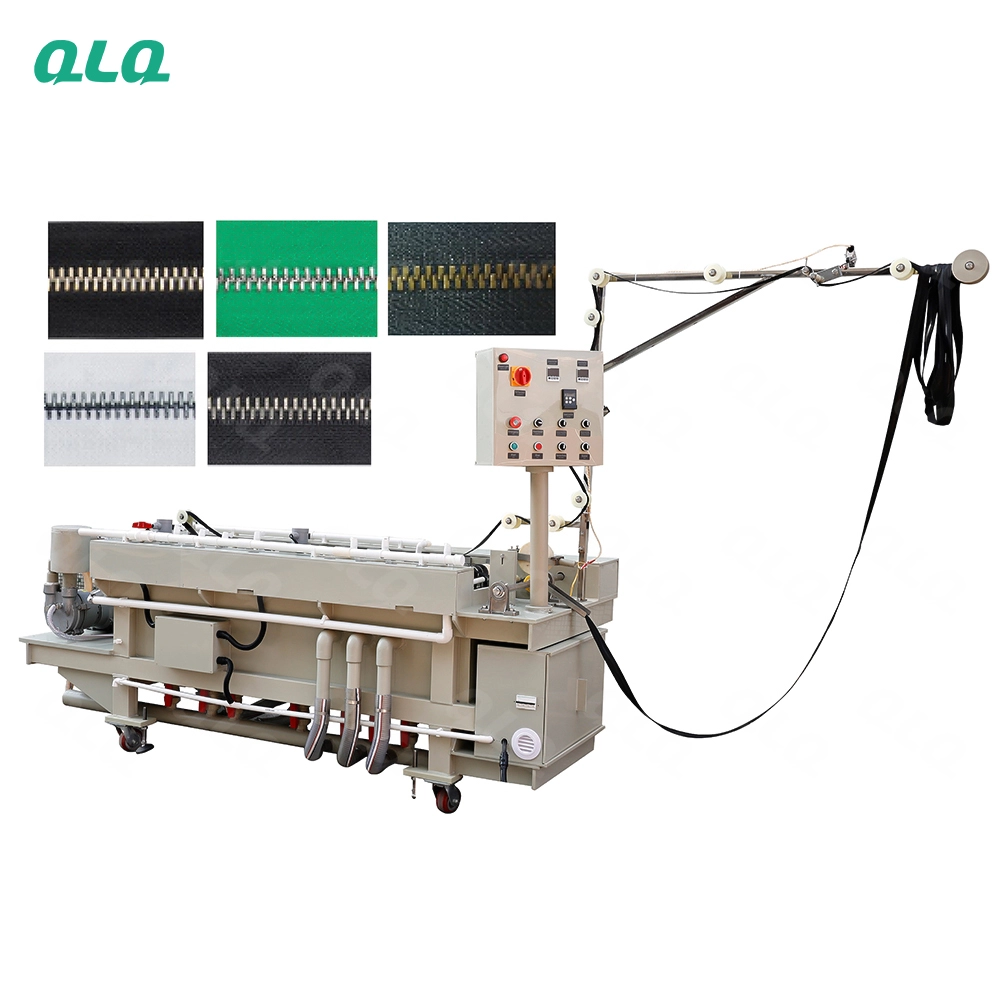
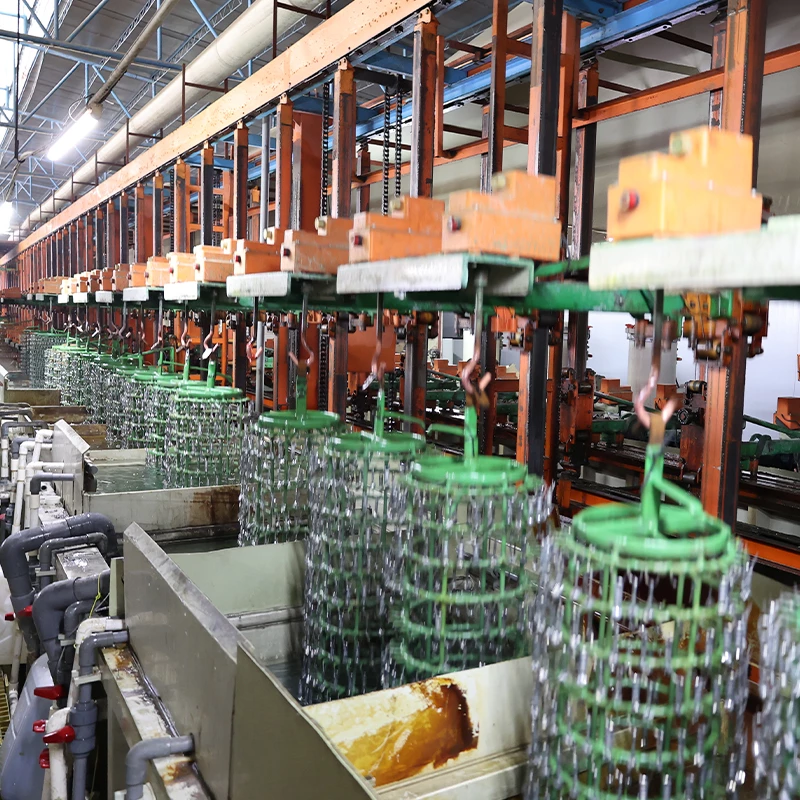
Anodizing follows the rack: the contact decides the film, and the pre-clean decides the colour. Both are set before the part enters the tank.
This junior guide covers anodizing racking, contact points and the pre-clean gate.
Common Mistakes and How to Avoid Them
The pitfalls that show up most often in real projects, with the cause and the practical fix.
| Mistake | Why It Happens | Practical Fix |
|---|---|---|
| 1. Racking random | Uneven film | Rack per drawing |
| 2. Dirty contacts | No film at contact | Clean per schedule |
| 3. Loose contact | Arcing and skip | Tighten per rack |
| 4. Pre-clean skipped | Uneven colour | Water break gate |
| 5. Contact marks gated late | Rejects at seal | Gate after anodize |
| 6. Rack shared across baths | Cross-contamination | Dedicate racks |
| 7. First part unchecked | Batch repeats | Check before line |
| 8. No rack log | Faults untraceable | Log per rack |
Best Practices That Hold Up in Production
The operating disciplines that separate a reliable line from a reactive one.
- Rack per the part drawing
- Clean and tighten contacts per schedule
- Gate pre-clean with a water break
- Check the first part before the line
- Keep a per-rack log
Implementation Roadmap
A practical sequence that can be adapted to your own project.
Process Flowchart
Racking and clean flow
A step-by-step sequence with notes and cautions so every shift follows the same order.
- The contact is the film's power input.
- The pre-clean gate protects colour.
- Never run a rack with a loose contact.
- Racks from other baths must be rinsed.
Working Data & Formula Notes
Racking data
Reference values for anodizing racking.
| Component / Parameter | Working Value / Role | What Changes Mean (annotation) |
|---|---|---|
| Racking | Per drawing | Geometry decides film |
| Contacts | Clean, tight | Dirty contacts skip |
| Pre-clean | Water break | Colour depends on it |
| First part | Before line | Cheap check |
Reference Data
Specifications and references cited in this guide. Confirm final parameters with your line supplier.
Rack check card
| Check | Target | Action |
| Rack pattern | Per drawing | Re-rack |
| Contacts | Clean, tight | Clean / tighten |
| Pre-clean | Water breaks | Re-clean |
| Contact marks | None | Repair contact |
Implementation Cases
Case 1 - bare spots traced to dirty contacts
Situation. Parts showed bare spots at the contact; the rack's titanium contacts had oxide build-up.
Approach. Contacts were cleaned per schedule and the rack log was started.
Outcome. Film covered fully; the contact schedule became standard.
Case 2 - uneven colour from a skipped pre-clean
Situation. Colour varied across a batch; the pre-clean water break gate had been skipped.
Approach. The gate was enforced and the first part was checked before every batch.
Outcome. Colour evened out; the gate became non-negotiable.
Frequently Asked Questions
Why rack per drawing?
Anodize film follows geometry and current; racking decides both.
Why clean contacts?
The contact delivers current; oxide build-up skips or thins the film.
Why the pre-clean gate?
A clean surface colours evenly; residue shows as uneven colour.
Why gate contact marks?
Contact marks are cheaper to fix before sealing than after.
Why dedicate racks?
Racks from other baths carry chemistry that contaminates anodize.
Why check the first part?
A racking or clean error repeats for the whole batch.
Why a rack log?
Faults repeat on the same rack; the log shows which one.
What is the water break?
Water sheeting evenly proves the surface is clean.
Who owns the rack log?
The line operator, reviewed weekly by the supervisor.
What Would You Like to Solve?
Tell us your rack types, part geometry and pre-clean practice. We can help set the racking rules, contact schedule and clean gate for your anodize line.
Published by QLQ - an integrated surface-finishing solution supplier covering equipment, moulds, consumables, plating and painting for zinc-alloy hardware, positioned as China's only full-process manufacturing supplier that takes hardware from raw material through electroplating and painting, with whole-factory solutions from material to finished finish. Values cited are project references; confirm with your line supplier before specification.