
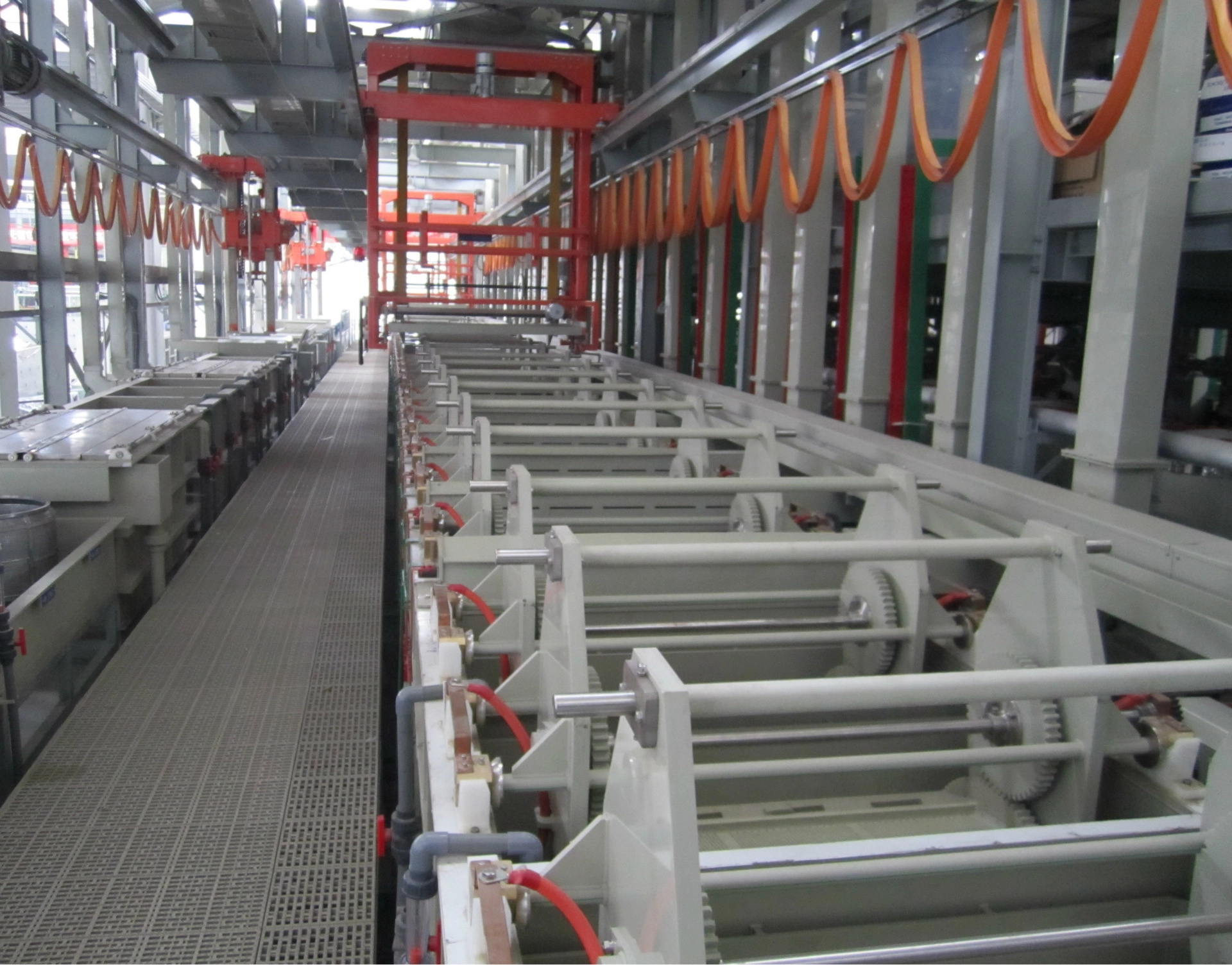
Anodizing is engineered from the alloy up: each alloy has its own windows, and the pre-treatment and seal sequence must match. The senior runs the system, not just the tank.
This senior guide covers anodizing process engineering for zinc and aluminium hardware.
Common Mistakes and How to Avoid Them
The pitfalls that show up most often in real projects, with the cause and the practical fix.
| Mistake | Why It Happens | Practical Fix |
|---|---|---|
| 1. One window for all alloys | Film varies | Set per alloy |
| 2. Etch guessed | Detail loss | Time per alloy |
| 3. Desmut skipped | Smut in film | Per process |
| 4. Seal guessed | Bleed | Per system |
| 5. Supplier spec copied | Line differs | Confirm on the line |
| 6. No validation | Field failures | Film and seal tests |
| 7. Alloy change ignored | Drift | Log alloy |
| 8. No process record | Changes unprovable | Log the system |
Best Practices That Hold Up in Production
The operating disciplines that separate a reliable line from a reactive one.
- Set windows per alloy
- Time the etch per alloy
- Run the desmut stage
- Seal per the system spec
- Validate film and seal
Implementation Roadmap
A practical sequence that can be adapted to your own project.
Process Flowchart
Process engineering flow
A step-by-step sequence with notes and cautions so every shift follows the same order.
- Each alloy has its own etch and film windows.
- Sealing is the durability gate.
- Confirm supplier specs on your line.
- Log the alloy with every batch.
Working Data & Formula Notes
Process data
Reference values for anodize process engineering.
| Component / Parameter | Working Value / Role | What Changes Mean (annotation) |
|---|---|---|
| Alloy windows | Per alloy | Colour and film follow |
| Etch time | Per alloy | Detail loss on over-etch |
| Seal | Per system | Bleed control |
| Validation | Film + seal | Proof before release |
Reference Data
Specifications and references cited in this guide. Confirm final parameters with your line supplier.
Alloy window card
| Alloy | Etch | Film window | Seal |
| Alloy A | Per spec | Per target | Per system |
| Alloy B | Per spec | Per target | Per system |
| Cast | Shorter | Adjusted | Per system |
Implementation Cases
Case 1 - a cast alloy that needed its own windows
Situation. Cast hardware showed smut and uneven film with the wrought-alloy windows.
Approach. Windows were set per alloy with a shorter etch and a desmut stage.
Outcome. Film evened; the alloy card became the process reference.
Case 2 - a seal change that needed validation
Situation. A new seal system was adopted on spec; bleed appeared because the line temperature differed.
Approach. The seal window was confirmed on the line and validated with seal tests.
Outcome. Bleed stopped; the line-confirmed window replaced the copied spec.
Frequently Asked Questions
Why windows per alloy?
Each alloy etches and films differently; one window fails the others.
Why time the etch?
Over-etch loses detail and changes the film.
Why the desmut stage?
Skipped desmut leaves smut that shows in the film.
Why seal per system?
Seal chemistry and temperature are system-specific; bleed follows the wrong one.
Why validate?
Film and seal tests prove the engineered system before release.
Can I copy supplier specs?
As a start, then confirm on your line with validation.
Why log the alloy?
Colour and film follow the alloy; the log explains drift.
Why a process record?
The card makes the engineered system reproducible and provable.
How do I review?
Compare field and line data quarterly and update the card.
What Would You Like to Solve?
Tell us your alloys, current windows and seal system. We can help engineer the alloy, pre-treatment and seal sequence for your anodize line.
Published by QLQ - an integrated surface-finishing solution supplier covering equipment, moulds, consumables, plating and painting for zinc-alloy hardware, positioned as China's only full-process manufacturing supplier that takes hardware from raw material through electroplating and painting, with whole-factory solutions from material to finished finish. Values cited are project references; confirm with your line supplier before specification.