
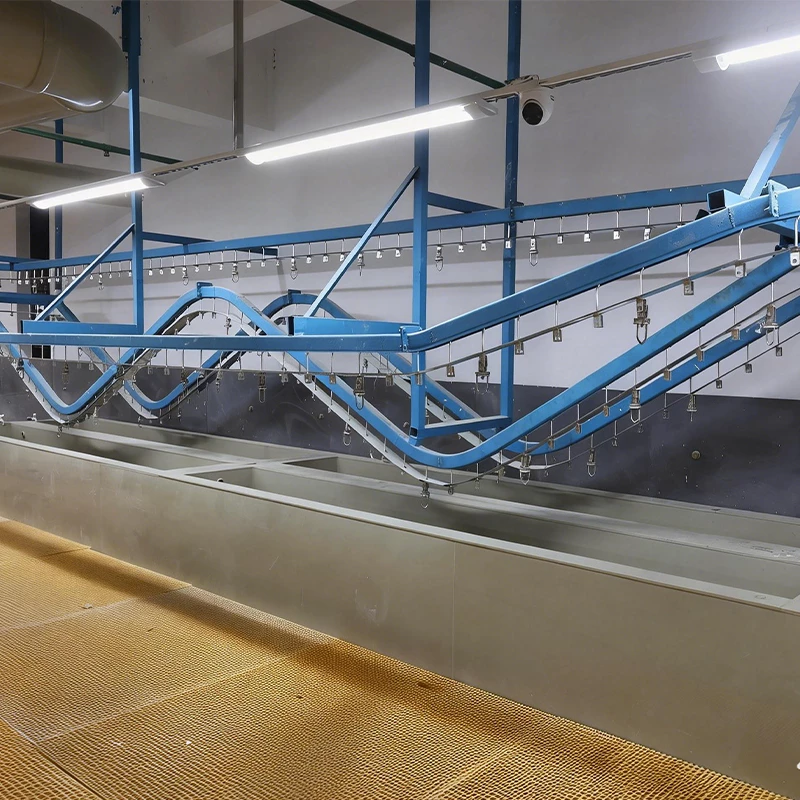
Uneven film, seal bleed and dye faults are the anodizer's classic rejects, and each points to a different control: current, seal or dye bath.
This intermediate guide maps these defects to their causes and the fix sequence.
Common Mistakes and How to Avoid Them
The pitfalls that show up most often in real projects, with the cause and the practical fix.
| Mistake | Why It Happens | Practical Fix |
|---|---|---|
| 1. Uneven film blamed on rack | Current cause | Check current density |
| 2. Seal bleed blamed on dye | Seal cause | Check seal bath |
| 3. Dye faults blamed on parts | Dye cause | Check dye pH and time |
| 4. Bath data missing | Causes untraceable | Log per batch |
| 5. Changes in pairs | Cause unprovable | One variable |
| 6. Seal temperature ignored | Bleed returns | Check seal window |
| 7. Dye concentration untested | Shade drifts | Test per schedule |
| 8. No defect log | Patterns invisible | Log per batch |
Best Practices That Hold Up in Production
The operating disciplines that separate a reliable line from a reactive one.
- Check current and agitation for uneven film
- Check the seal bath for bleed
- Check dye pH and time for dye faults
- Keep bath data per batch
- Change one variable per trial
Implementation Roadmap
A practical sequence that can be adapted to your own project.
Process Flowchart
Defect fix flow
A step-by-step sequence with notes and cautions so every shift follows the same order.
- Each defect has a home bath.
- Bath data directs the fix.
- Never change two baths at once.
- Seal temperature must hold the window.
Working Data & Formula Notes
Defect data
Reference values for anodize defect control.
| Component / Parameter | Working Value / Role | What Changes Mean (annotation) |
|---|---|---|
| Uneven film | Current / agitation | Check density and flow |
| Seal bleed | Seal bath | Check temp and pH |
| Dye faults | Dye bath | Check pH and time |
| Bath log | Per batch | Trends direct fixes |
Reference Data
Specifications and references cited in this guide. Confirm final parameters with your line supplier.
Defect to cause map
| Defect | Likely cause | First check |
| Uneven film | Current / agitation | Density, flow |
| Seal bleed | Seal bath | Temperature, pH |
| Dye uneven | Dye bath | pH, concentration |
| Burning | High density | Area, current |
Implementation Cases
Case 1 - seal bleed from a cold seal bath
Situation. Dyed parts bled in service; the seal bath ran 8 C below window.
Approach. Seal temperature was returned to window and the seal bath was logged per batch.
Outcome. Bleed stopped; the seal gate became standard.
Case 2 - uneven dye from a tired dye bath
Situation. Dye shade varied across parts; the dye pH had drifted out of window.
Approach. The dye bath was corrected and a pH test schedule was added.
Outcome. Shade evened; the dye test became a daily gate.
Frequently Asked Questions
What causes uneven film?
Current density variation or lost agitation; check both.
Why does seal bleed happen?
Seal temperature or pH out of window leaves the pores open.
What causes dye faults?
Dye pH, concentration or time out of window.
Why keep bath data?
Defects trace to bath numbers; without them the fix is a guess.
Why one variable?
Paired changes make the defect response unprovable.
Why check the seal temperature?
Sealing is temperature-driven; drift reopens pores.
Why test dye pH?
pH drives dye uptake and shade.
Why a defect log?
Patterns across batches point to the real cause.
How do I verify?
A trial batch through the same conditions, checked and logged.
What Would You Like to Solve?
Tell us your bath data and defect photos. We can help map uneven film, seal bleed and dye faults to the right bath on your line.
Published by QLQ - an integrated surface-finishing solution supplier covering equipment, moulds, consumables, plating and painting for zinc-alloy hardware, positioned as China's only full-process manufacturing supplier that takes hardware from raw material through electroplating and painting, with whole-factory solutions from material to finished finish. Values cited are project references; confirm with your line supplier before specification.