
The question every buyer asks
A very common drawing mistake is pairing 'ASTM B633 Type II + 96hr salt spray' directly with a RoHS requirement. The problem is that B633 Type II normally involves a hexavalent-chromium passivate, so the note contradicts itself before anyone starts plating.
Parameters are industry-standard starting ranges; confirm against your supplier TDS.
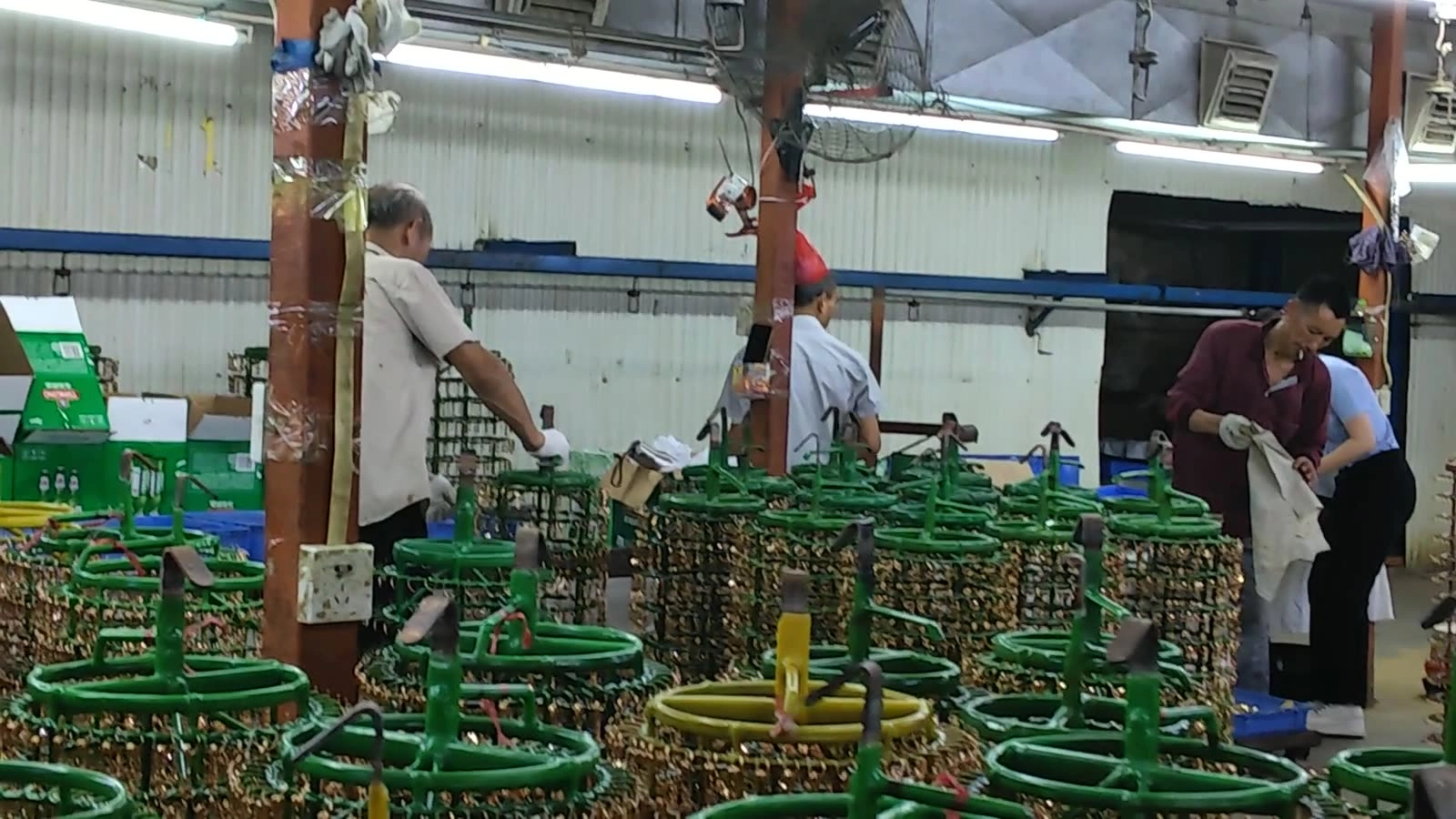
How we handle it on the line
- ASTM B633 Type II passivates conventionally contain hexavalent chromium, which RoHS restricts — the two requirements cannot sit side by side on one drawing.
- A correct plating note has five elements: base material + plating system + thickness + test method with hours + RoHS/REACH supplementary clauses.
- For a compliant trivalent system, state explicitly 'Trivalent + sealer' rather than a bare Type/Class code.
- The mapping between B633 Types/Classes and RoHS compliance is a perennial question on finishing forums precisely because verbal specs invite corner-cutting.
- Oral specifications ('just make it like last time') are the biggest loophole: what gets plated is whatever the shop has running that day.
- QLQ checks drawing notes item by item at order entry; if a note is incomplete we send back a confirmation sheet before running the line, so compliance mismatches surface before plating, not after.
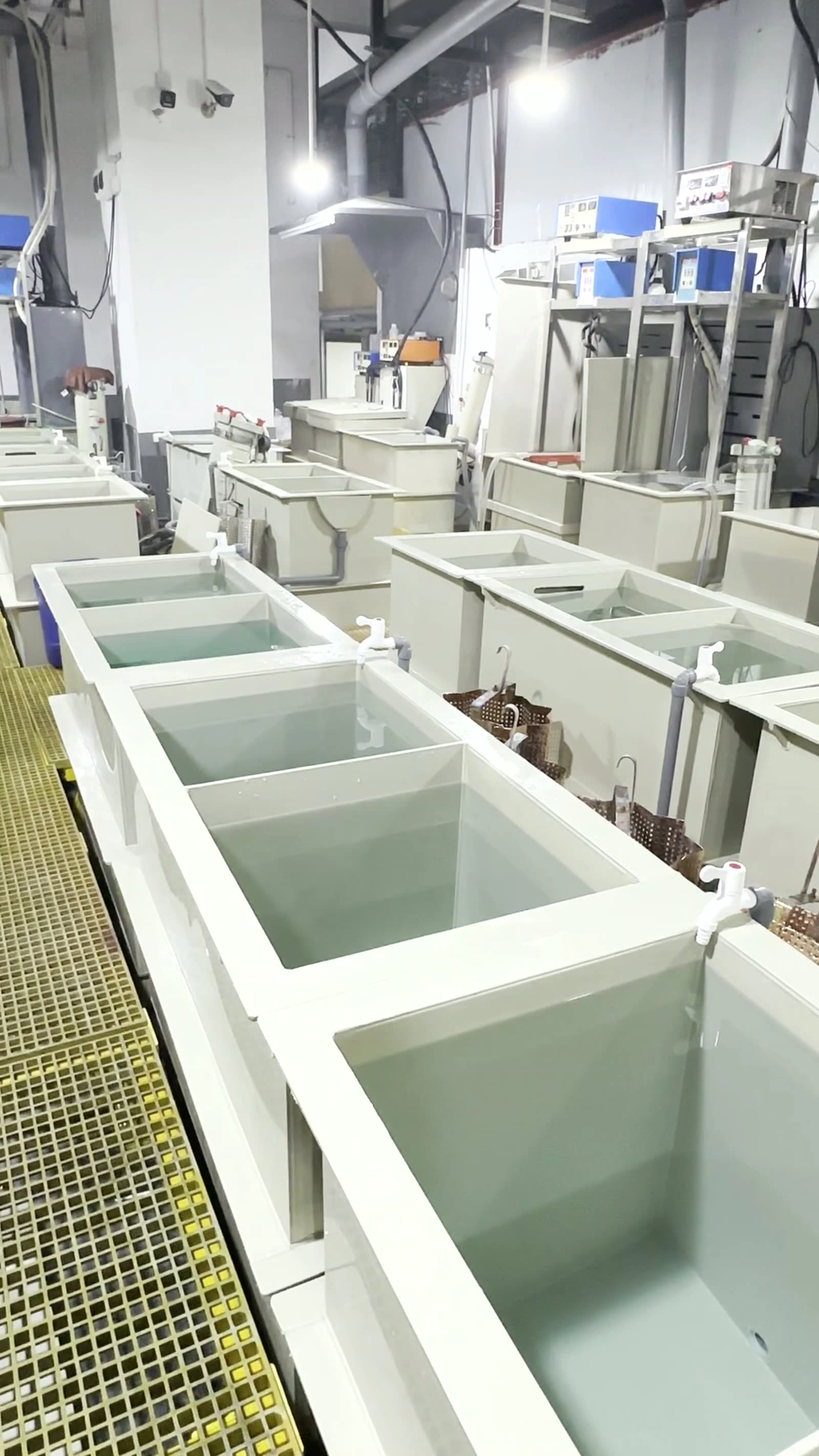
Honest boundaries
- We do not interpret ambiguous notes unilaterally — an incomplete spec goes back to the customer for written confirmation before production.
- RoHS governs the product; REACH governs process and supply chain — a drawing note alone does not prove supply-chain compliance.
- Standard-name familiarity varies between shops; a compliant note still needs batch test reports to back it.
FAQ
Can I write 'ASTM B633 Type II + 96hr' and RoHS on the same drawing?
Not as-is: B633 Type II usually uses a hexavalent-chromium passivate that RoHS restricts. Write the trivalent system explicitly ('Trivalent + sealer') and add the RoHS/REACH clause as a separate element.
What should a complete plating note on my drawing contain?
Five elements: base material, plating system, thickness, test method with hours, and RoHS/REACH supplementary clauses. Anything less leaves room for substitution.
The supplier took my verbal spec and now the parts fail RoHS — who is at fault?
Verbal specs invite corner-cutting on both sides. Re-issue the drawing with the five-element note; QLQ returns a confirmation sheet for incomplete notes before plating, which prevents exactly this dispute.
Is a trivalent passivate really equivalent to the old Type II?
Trivalent + sealer systems meet RoHS and reach comparable corrosion tiers, but the note must say so explicitly. Do not rely on the Type/Class code alone to imply compliance.