

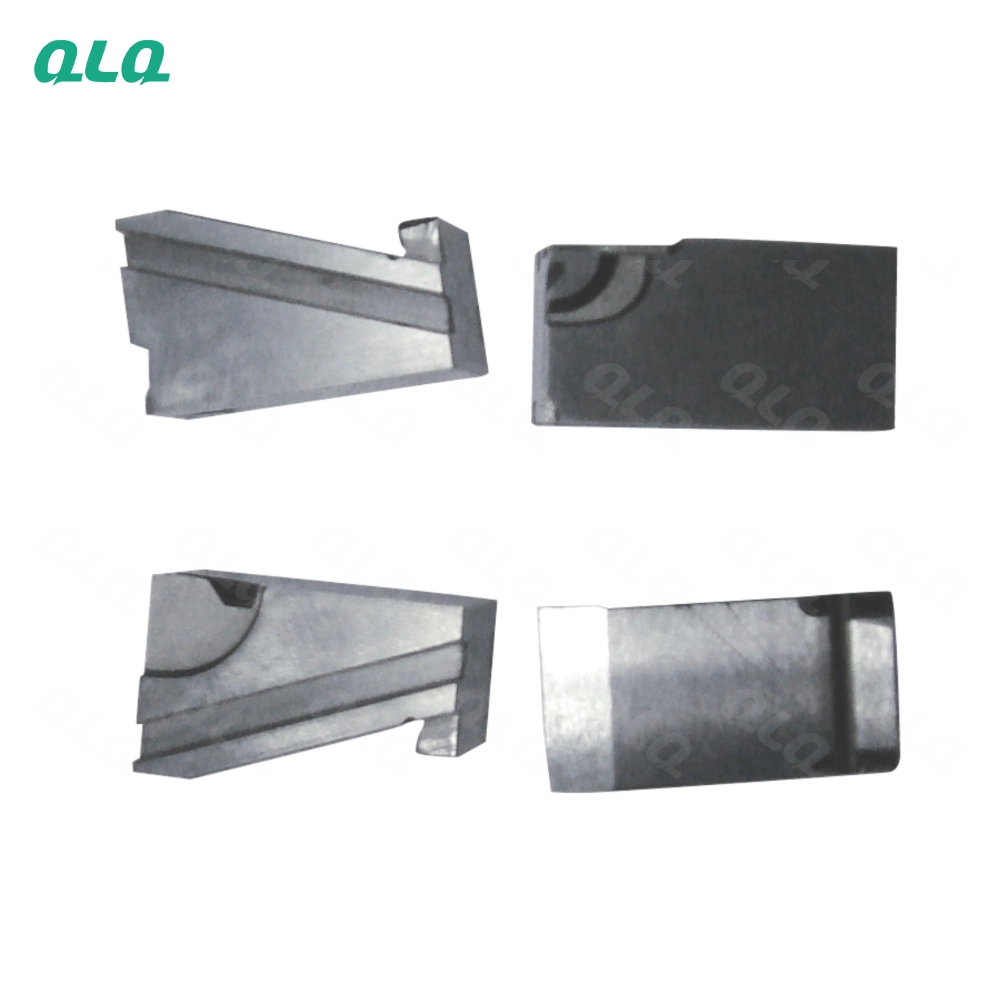
Every mould repair is a make-buy decision: do it in the toolroom or send it out. The right answer balances cost, lead-time, capacity and the skill that protects the tool.
This management guide covers the make-buy decision for mould repair: cost models, lead-time, capability and the decision rules that keep the line running.
Common Mistakes and How to Avoid Them
The pitfalls that show up most often in real projects, with the cause and the practical fix.
| Mistake | Why It Happens | Practical Fix |
|---|---|---|
| 1. Cost compared hourly | Total cost missed | Compare total per job |
| 2. Lead-time ignored | Line waits | Weigh downtime |
| 3. Skill overestimated | Rework at the line | Match job to skill |
| 4. Capacity ignored | Queue grows | Track toolroom load |
| 5. Emergency outsourcing | Premium price | Plan spares |
| 6. No job history | Repeat buys | Log repairs |
| 7. Quality not checked | Returned faults | Inspect before install |
| 8. No decision rules | Every job argued | Write the rules |
Best Practices That Hold Up in Production
The operating disciplines that separate a reliable line from a reactive one.
- Compare total cost, not hourly
- Weigh lead-time against downtime
- Match the job to skill and capacity
- Inspect outsourced work before install
- Review the make-buy rules quarterly
Implementation Roadmap
A practical sequence that can be adapted to your own project.
Process Flowchart
Make-buy decision flow
A step-by-step sequence with notes and cautions so every shift follows the same order.
- Downtime is part of the repair cost.
- A repair history makes the decision data-based.
- Inspect outsourced work before install.
- Emergency outsourcing is a premium - plan spares.
Working Data & Formula Notes
Make-buy data
Reference values for repair decisions.
| Component / Parameter | Working Value / Role | What Changes Mean (annotation) |
|---|---|---|
| Total cost | Labour + materials + downtime | Hourly hides the total |
| Lead-time | In-house vs vendor | Downtime is a cost |
| Skill | Per repair type | Overestimate = rework |
| Review | Quarterly | Rules stay current |
Reference Data
Specifications and references cited in this guide. Confirm final parameters with your line supplier.
Make-buy table
| Repair | In-house | Outsource | Rule |
| Tip/pin change | Yes | If loaded | Capacity first |
| Weld repair | If certified | Yes | Skill |
| Nitriding | No | Yes | Vendor |
| Major rebuild | Plan | Yes | Project |
Implementation Cases
Case 1 - hourly cost hid a repeat repair
Situation. Outsourced welds were cheap per hour, but repeat failures made total cost higher than fixing in-house.
Approach. Repair history was logged and total cost per job became the comparison.
Outcome. The decision shifted to in-house for that repair and repeat failures stopped.
Case 2 - emergency outsourcing at a premium
Situation. A mould failed with no spare and the line waited for an urgent vendor job at premium price.
Approach. Critical moulds were identified and repair spares were planned.
Outcome. Emergency premiums stopped; planned repairs kept the line running.
Frequently Asked Questions
How do I compare repair costs?
Total cost per job: labour, materials and downtime - not hourly rates.
Why count downtime?
A line waiting on a mould costs more than the repair itself.
When repair in-house?
When skill and capacity allow, and total cost beats the vendor.
When outsource?
For specialised work like nitriding or major rebuilds with vendor capability.
Why inspect returned work?
A returned fault costs another cycle; inspect before install.
Why write decision rules?
Rules end per-job arguments and make the choice consistent.
Why log repair history?
History shows which repairs repeat and makes the next decision data-based.
How often review?
Quarterly, or after capacity or vendor changes.
What Would You Like to Solve?
Send us your repair history, toolroom capacity and vendor quotes. We can build the make-buy decision table and the repair log for your mould department.
Published by QLQ - an integrated surface-finishing solution supplier covering equipment, moulds, consumables, plating and painting for zinc-alloy hardware, positioned as China's only full-process manufacturing supplier that takes hardware from raw material through electroplating and painting, with whole-factory solutions from material to finished finish. Values cited are project references; confirm with your line supplier before specification.