
The question every buyer asks
Many buyers still assume the old GB 8978-1996 standard covers electroplating wastewater. The current mandatory standard is GB 21900-2008, and total nickel is assessed at the workshop outfall at 0.1 mg/L — with some regional standards stricter still.
Parameters are industry-standard starting ranges; confirm against your supplier TDS.
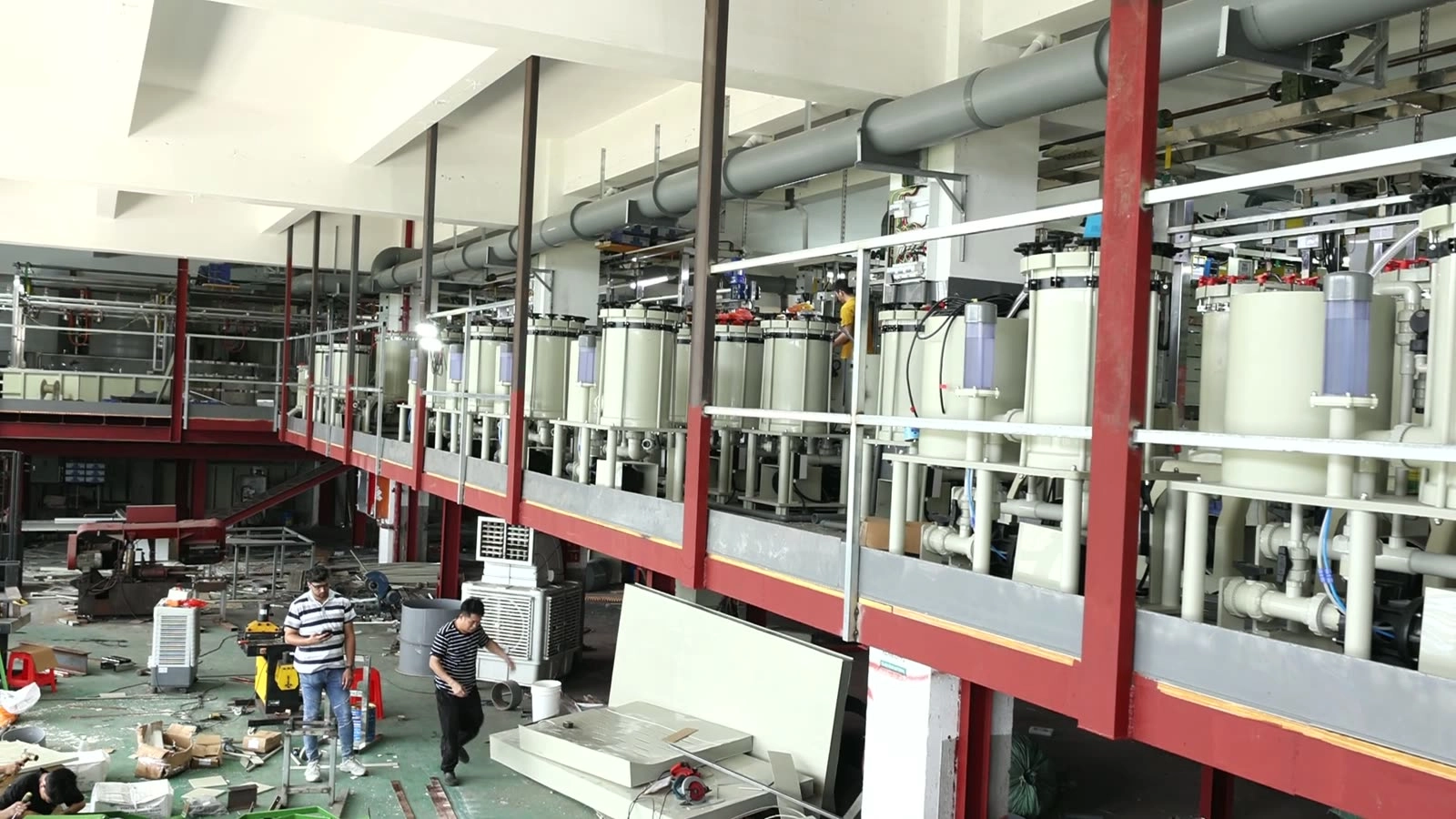
How we handle it on the line
- The applicable standard for electroplating effluent is GB 21900-2008 (Emission Standard of Pollutants for Electroplating); GB 8978-1996 can no longer be applied directly.
- Total nickel is assessed at the workshop outfall at 0.1 mg/L; some regional standards (e.g. DB44 in Guangdong) are stricter.
- Complexed nickel (electroless nickel) wastewater will not precipitate with simple alkali dosing because the nickel is chelated — that is the core treatment difficulty.
- Correct treatment route: break the complex first (Fenton oxidation / iron-carbon micro-electrolysis), then capture residual nickel with DTC heavy-metal remover.
- Supplier audit essentials: discharge permit scope covers the plating process, online monitoring at the workshop outfall, and hazardous-waste (HW17 sludge) transfer manifests.
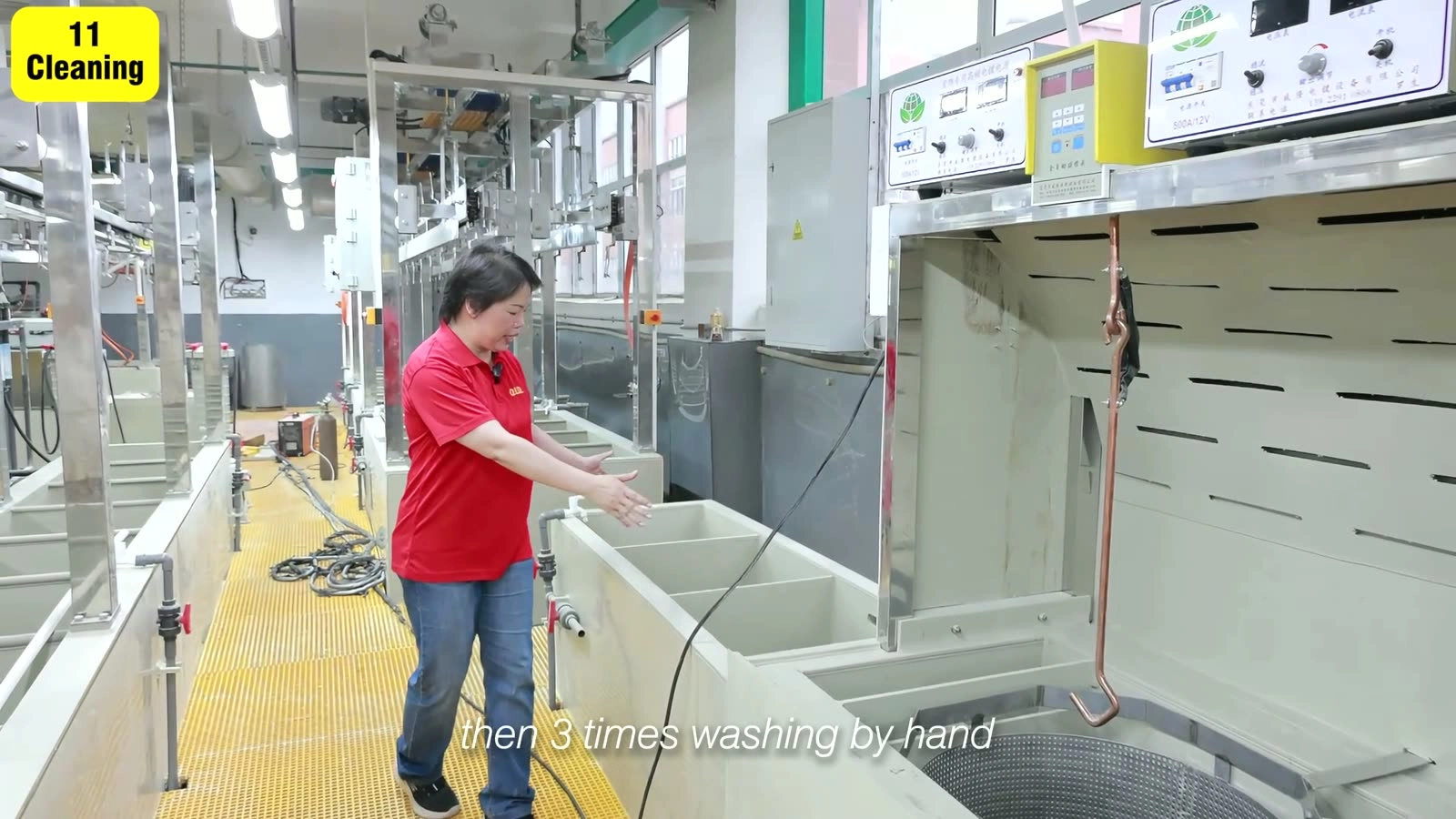
- QLQ's in-house plating shop operates under a valid discharge permit and can present permit documents and monitoring records during audits.
Honest boundaries
- Regional discharge standards can be stricter than the national one — confirm the local requirement where the plant actually sits.
- A valid permit proves legality of discharge, not zero pollution; monitoring records are the operational evidence.
- Treatment effectiveness for complexed nickel depends on the chelant type; guarantees should be based on measured outfall data, not process claims.
FAQ
Which discharge standard should electroplating wastewater comply with?
GB 21900-2008, the current electroplating pollutant emission standard. GB 8978-1996 can no longer be applied directly; total nickel is assessed at the workshop outfall at 0.1 mg/L, with regional standards sometimes stricter.
Why won't nickel precipitate out of our electroless nickel wastewater no matter how much alkali we add?
Because the nickel is complexed (chelated) and simple precipitation cannot release it. Break the complex first — Fenton oxidation or iron-carbon micro-electrolysis — then capture with DTC remover.
What documents should I ask for when auditing a plating supplier's wastewater compliance?
Three items: discharge permit with plating process in scope, online monitoring records at the workshop outfall, and hazardous-waste transfer manifests for HW17 sludge. QLQ provides permit and monitoring records on request.
Is DB44 or the national standard the one to check my supplier against?
Whichever applies at the plant's location — regional standards like DB44 can be stricter than GB 21900-2008. Compliance means meeting the strictest applicable requirement at that site.