
The question every buyer asks
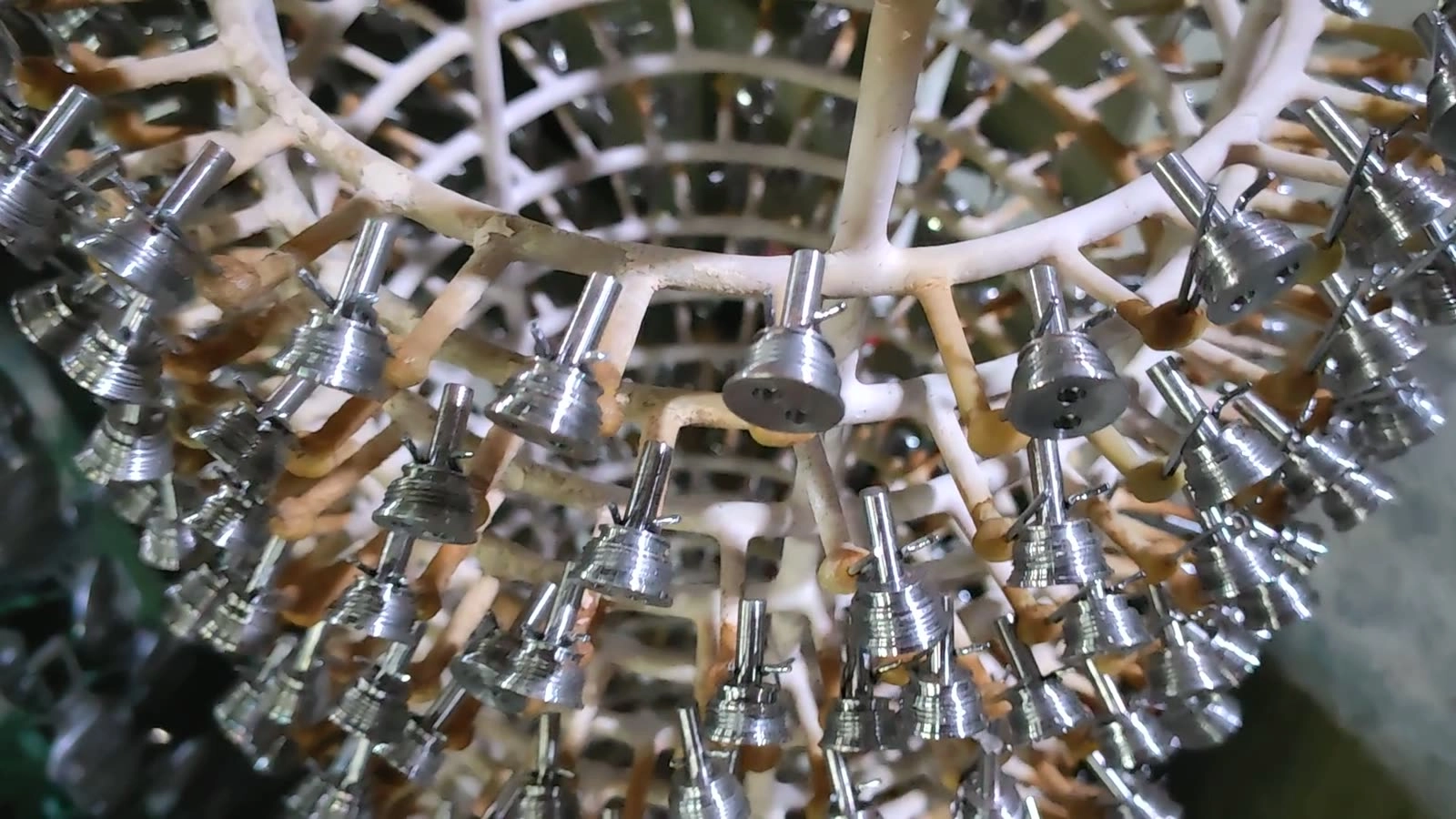
Decorative chrome problems — poor throwing power, mottled stains, burnt edges — each have a specific, fixable cause. Chrome is exceptionally sensitive to rack electrical contact, so contact-point design is where yield is won or lost.
Parameters are industry-standard starting ranges; confirm against your supplier TDS.
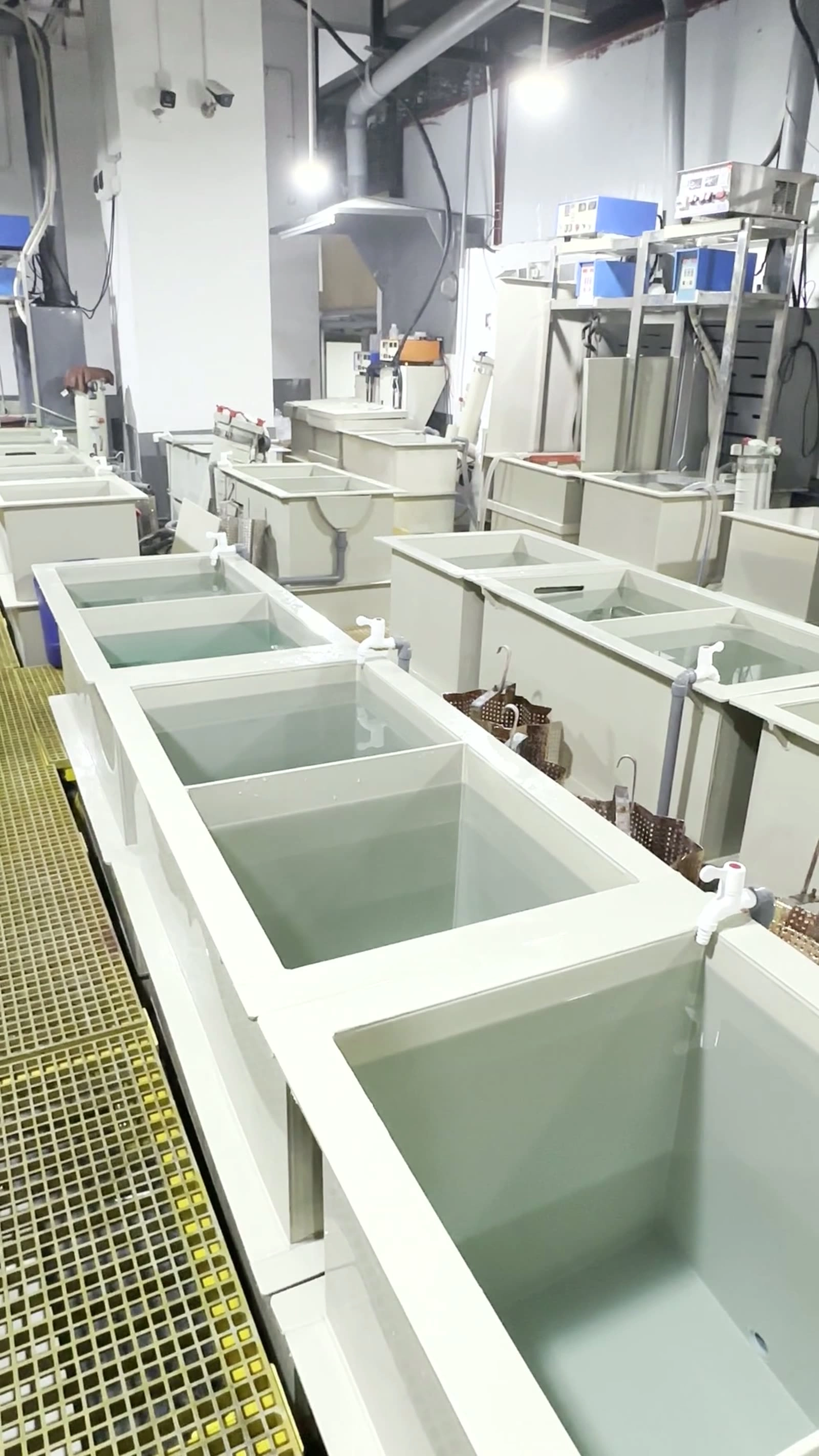
How we handle it on the line
- Poor throwing power / no deposition → chromic acid-to-sulfate ratio out of balance, or a passivated nickel surface that needs activation before chroming.
- Mottled stains / haze → chloride contamination or excessive Cr³⁺ in the bath.
- Burnt edges → current density mismatched to solution temperature (temperature too low, current too high).
- No chrome at all → poor rack contact; chrome deposits only where current actually flows.
- Chrome is extremely sensitive to rack electrical contact — contact-point design is the key yield lever.
- QLQ runs production slider chrome on production racks with regularly dressed contact points, and records color with L/a/b values for comparison — no 'looks about right' acceptance.
Honest boundaries
- Decorative chrome has inherently limited throwing power in deep recesses; geometry, not just chemistry, sets the limit.
- Micro-cracked chrome is intentional in some systems — crack patterns alone are not a defect.
- L/a/b color records quantify difference but final appearance tolerances still need an agreed sealed sample.
FAQ
Why won't chrome plate into the recesses of my parts?
Poor throwing power usually means the chromic-to-sulfate ratio is off or the nickel surface has passivated and needs activation. Deep recesses also limit chrome inherently — rack design matters.
My chrome shows mottled stains and haze — what's wrong?
Most often chloride contamination or excessive Cr³⁺ in the bath. Ask the plater for bath analysis records; both are correctable once identified.
Edges keep burning even at normal current — why?
Current density is mismatched to solution temperature — typically temperature too low for the current used. Raising bath temperature or lowering current resolves it.
How do we avoid color disputes on chrome-plated sliders?
Agree L/a/b measurement with a sealed sample instead of visual judgment. QLQ records L/a/b values per batch against contact points dressed on production racks — no 'looks fine' acceptance.