
Alcance de esta guía
Esta guía de nivel intermedio entra en el diagnóstico: leer síntomas, aislar la variable que cambió y corregirla con datos recolectados en la línea.
Galvanoplastia en rack: Las cifras son rangos iniciales estándar de la industria; confírmelas con la TDS de su proveedor antes de fijar ajustes.
Rangos de trabajo y puntos de control
La tabla siguiente es la referencia diaria para Galvanoplastia en rack. Ajuste según la tarjeta y verifique con la columna de control.
| Parameter | Typical range | Control point | Watch out |
|---|---|---|---|
| Contact point size | 0.5–2 mm² wire wrap | Mark hidden in seal area | Marks on visible faces |
| Rack angle | 10–20° from vertical | Solution drains off | Air pockets in cavities |
| Current density | 1–6 A/dm² by bath | Per-position amp mapping | High spots burn first |
| Auxiliary anode gap | 20–50 mm | Uniform throw into recess | Too close plates dendrites |
| Load weight | Per rack card limit | Weigh-in random check | Overload sags contacts |
La capa que importa en tu nivel
Más allá de la tarjeta básica, esta es la capa que importa en su nivel:
| Symptom | Likely variable | Confirm by | First fix |
|---|---|---|---|
| Dull or hazy finish | Bath chemistry drift | Hull cell panel | Rebalance per test |
| Defects cluster on one rack position | Contact or current map | Position thickness map | Repair contact / re-map amps |
| Good-bad-good pattern | Loading or cycle drift | Time-stamped samples | Standardise load weight |
| Defect appears after maintenance | Work just done | Revert one change | Restore and re-verify |
Rutina estándar
Pasos estándar, en orden, para cada turno:
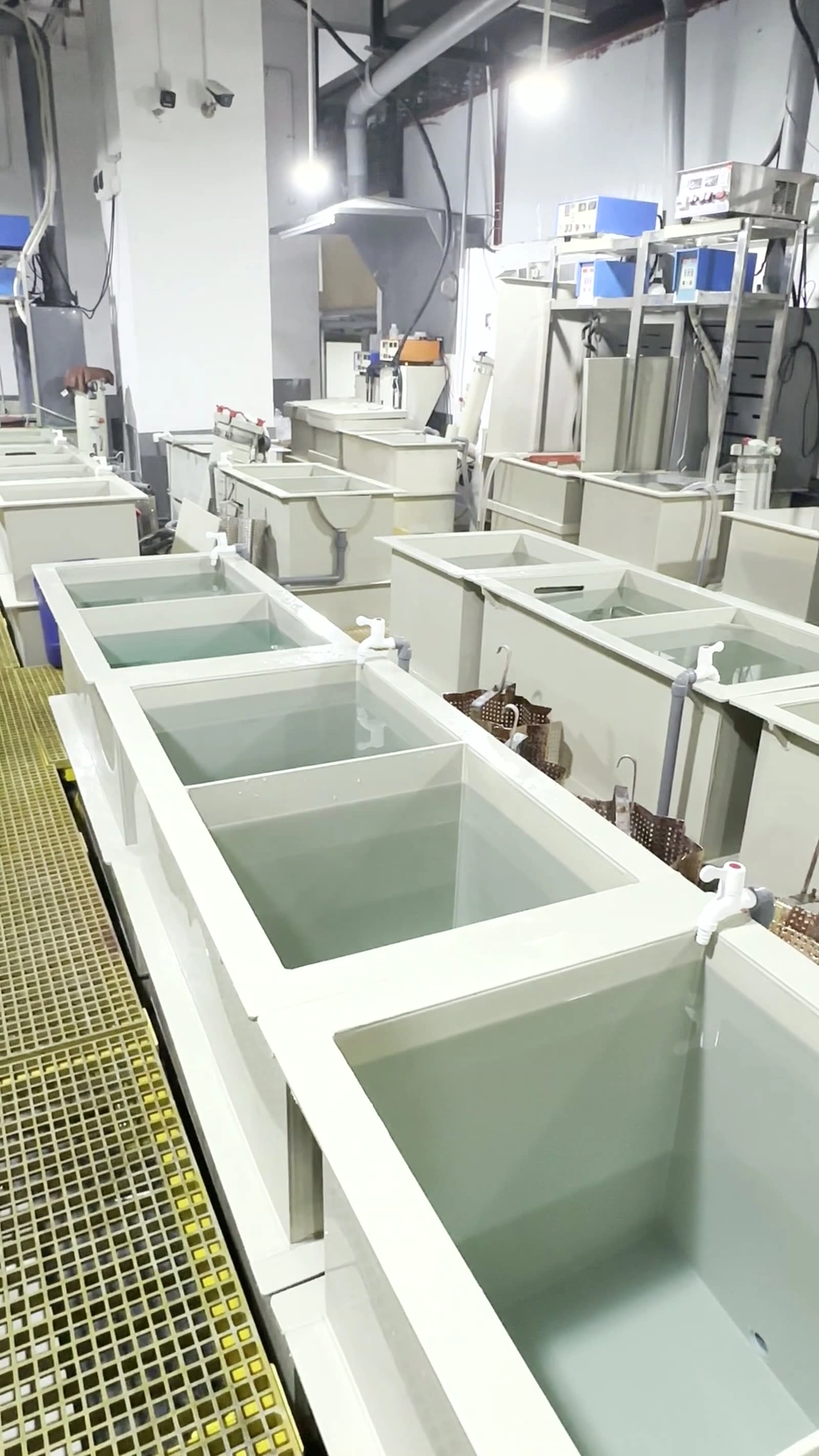
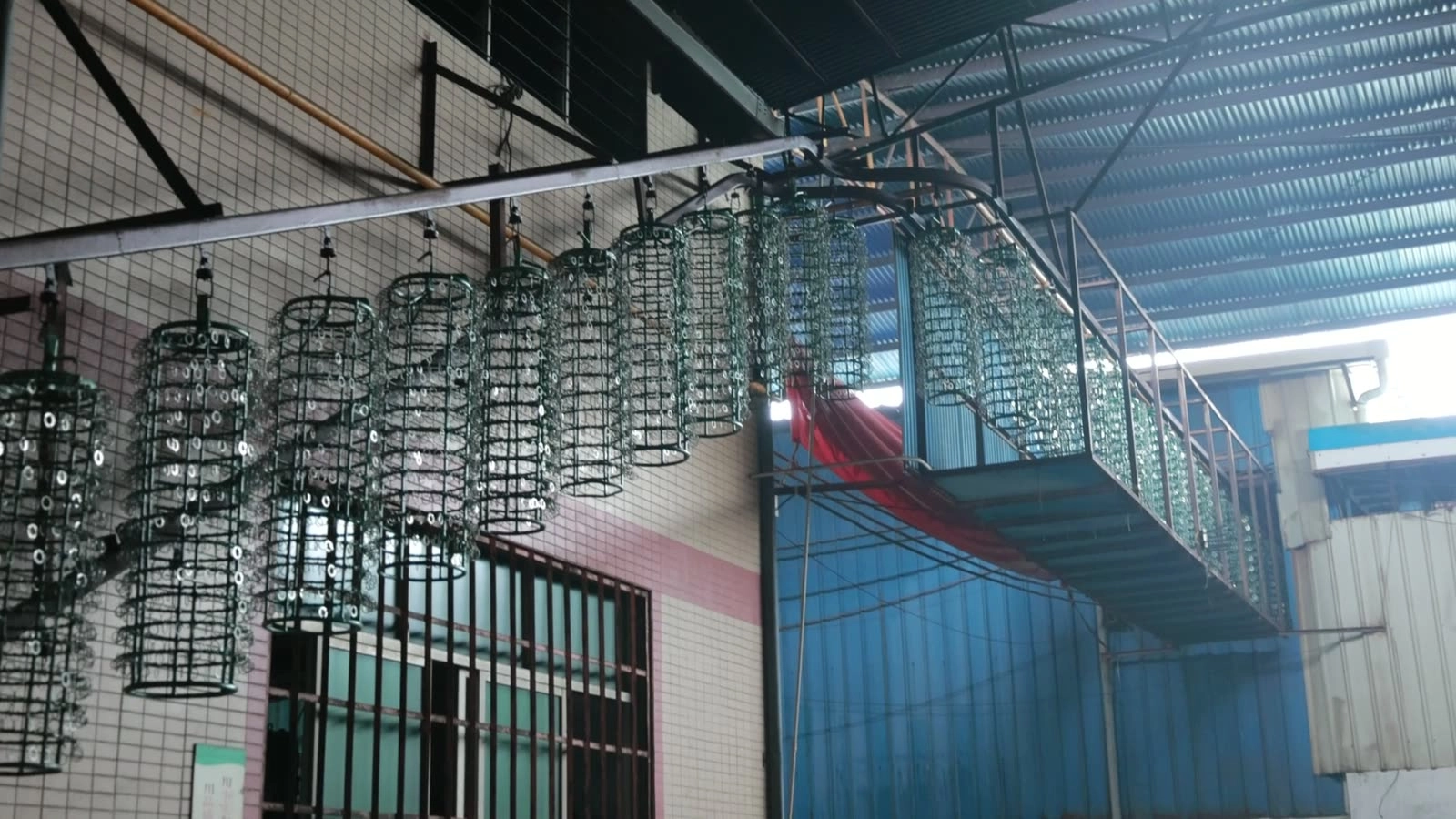
- Read the rack card for current and position map
- Wrap contacts to hide marks in sealed zones
- Set angle so cavities drain
- Confirm auxiliary anodes are on before load-in
- Check first article thickness at three positions
Notas del ingeniero
- The first article after every rack repair gets three-point thickness check
- High-current corners need thieves or shields, not lower total amps
- Bent racks plate bent parts — straighten on the bench, not in the tank
- Log which rack frames run which part families to trace marks
- Insulate worn tape spots before they plate over
Seguridad: Racks carry live current in the tank. Load and unload with the bus off; never touch two racks at once with bare hands.
Preguntas frecuentes
¿Cómo sé que los ajustes son correctos?
Siga la tabla de rangos y verifique con la columna de control; si el resultado sigue fuera de ventana, pare y avise.
¿Por qué varía el resultado entre turnos?
Siga la tabla de rangos y verifique con la columna de control; si el resultado sigue fuera de ventana, pare y avise.
¿Cuándo debo pedir ayuda a un senior?
Siga la tabla de rangos y verifique con la columna de control; si el resultado sigue fuera de ventana, pare y avise.