

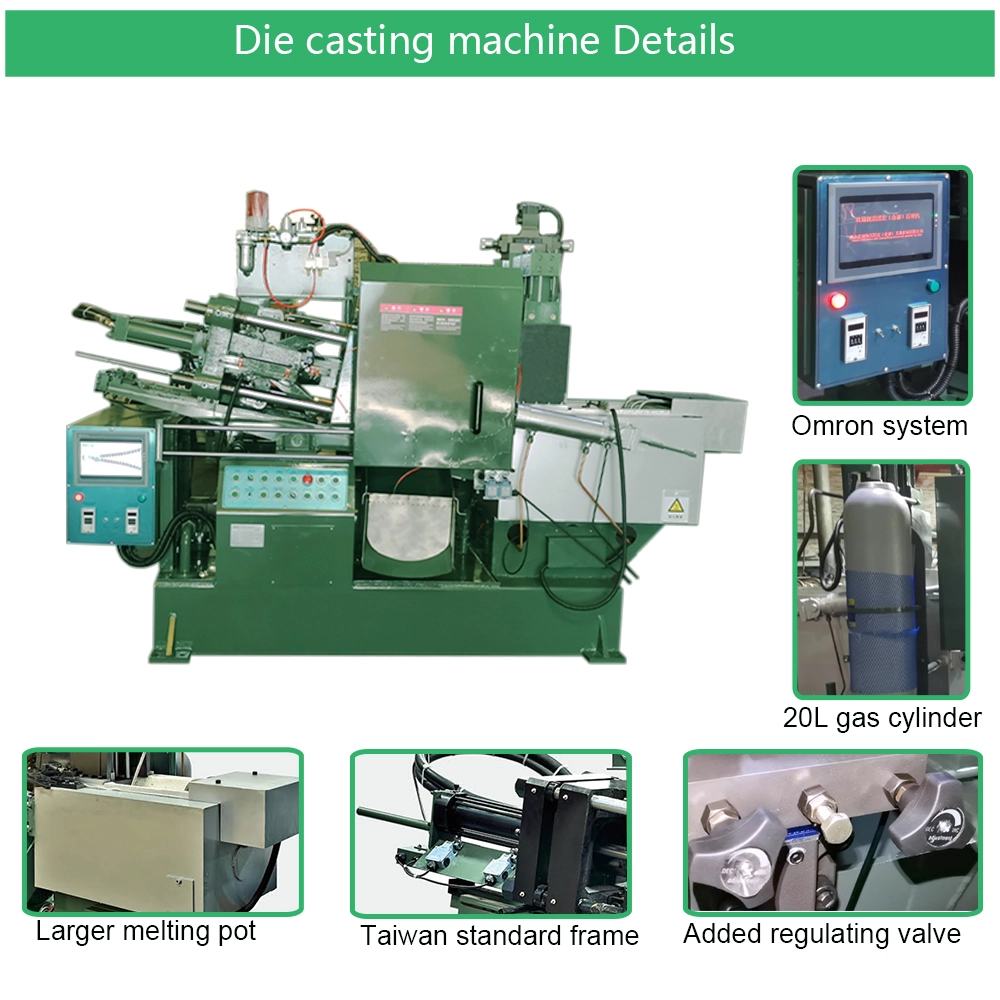
Plated sliders from 6 percent of lots failed the 120 C bake test in one month, and blisters always sat at the gate area. Sectioning showed porosity just under the surface, which pointed to gas trapped during casting, not the plating bath.
This senior case guide traces blister outbreaks from the bake test backwards through melt hydrogen, lubricant ratio and shot parameters, with the checks that separate casting porosity from plating adhesion faults.
Common Mistakes and How to Avoid Them
| Mistake | Why It Happens | Practical Fix |
|---|---|---|
| 1. Plating blamed first | Casting porosity missed | Bake and section before touching the bath |
| 2. Lube ratio drifted rich | Gas trapped under surface | Check ratio per mix, log it |
| 3. Melt held low | Slow fill traps gas | Hold at 410-430 C, stir |
| 4. Wet returns charged | Steam adds gas to the melt | Dry returns before charging |
| 5. Vents blocked | Gas has no exit | Clean vents, check depth |
| 6. Slow shot too fast | Air trapped at the gate | Set slow shot at 0.1-0.3 m/s |
| 7. Blister site ignored | Gate versus core tells the cause | Record blister position per lot |
| 8. Bake test skipped | Failures move to the field | Bake gate on every lot |
| 9. One cause assumed | Two faults coexist | Isolate melt, lube and shot in trials |
Best Practices
- Run the bake test at 120 C for 30 minutes on every lot
- Section blistered parts and record the depth of porosity
- Hold the lube ratio at 1:60-1:100 and log every mix
- Hold melt at 410-430 C with dry, clean charge
- Clean vents and verify depth of 0.05-0.15 mm
- Change one variable per trial lot
Implementation Roadmap
| Step | Frequency |
|---|---|
| Bake and section | Every lot at the gate |
| Check lube ratio | Per mix, daily |
| Check melt and charge | Per shift, dry returns only |
| Verify vents | Per die set-up |
| Isolate the cause | One variable per trial |
Blister trace flow
- Bake - 120 C for 30 minutes, gate every lot. (Skipping the bake moves failure to the field.)
- Section - Record porosity depth and position. (Surface blisters hide deep porosity.)
- Trace - Melt, lube and shot parameters. (Changing the bath first wastes weeks.)
- Verify - One variable per trial lot. (Multi-change trials prove nothing.)
Blister position separates casting gas from plating faults. | Hydrogen and lubricant gas both end up under the surface.
Blister trace data
Reference values for zinc die casting blister control.
| Parameter | Reference | Why It Matters |
|---|---|---|
| Bake test | 120 C x 30 min | Reveals subsurface gas before plating ships |
| Melt holding | 410-430 C | Low melt fills slowly and traps gas |
| Lube dilution | 1:60-1:100 water | Rich lube decomposes into gas at the die |
| Slow shot speed | 0.1-0.3 m/s | Fast slow-shot traps air at the gate |
| Gate velocity | 20-40 m/s zinc | Window depends on wall thickness |
| Vent depth | 0.05-0.15 mm | Blocked vents force gas into the part |
| Charge dryness | No wet returns | Moisture adds hydrogen to the melt |
Blister position to cause
| Blister position | Likely cause | First check |
|---|---|---|
| Gate area | Air trapped at fill | Slow shot speed |
| Thick sections | Shrinkage porosity | Melt temperature, cooling |
| Random surface | Lubricant gas | Lube ratio, spray timing |
| After bake only | Subsurface porosity | Section and measure depth |
Case 1 - bake test failures cut from 6% of lots to 0.2%
Scenario. Plated zinc alloy sliders failed the 120 C bake test in 6 percent of lots over a month. Blisters clustered at the gate, and the plating team had already changed the nickel bath twice without effect.
Action.
Result.
Case 2 - water in the lube air line caused a second outbreak
Scenario. A furniture hardware plant saw blisters on handles after every rainy week; the melt and lube ratio checked clean, and the pattern matched compressor cycles.
Action.
Result.
Frequently Asked Questions
What is a bake test?
Heating plated parts at 120 C for 30 minutes to force subsurface gas out as blisters.
Why do blisters sit at the gate?
Gas trapped during fill collects where the melt last moved; that is usually the gate area.
Is this a plating problem?
Often not - section the part first; porosity under the surface points to casting.
How does lubricant cause blisters?
Rich lube decomposes at the die surface into gas that is trapped under the skin.
What lube ratio is safe?
Start at 1:60-1:100 with water and log every mix; rich is the common drift.
What melt temperature?
Hold 410-430 C for Zamak 3/5; low melt fills slowly and traps gas.
Can wet returns cause this?
Yes - moisture in the charge adds hydrogen and steam to the melt.
How deep is the porosity?
Typical blisters come from gas 0.3-0.8 mm below the surface; sectioning shows it.
What if I change everything at once?
The fix becomes unprovable; change melt, lube or shot one at a time per lot.
What Would You Like to Solve?
Tell us where your blisters sit, your lube ratio and melt temperature, and we can trace the chain from bake test to casting for your parts.