
The question every buyer asks
Buyers ask whether fading bag hardware is a quality failure they can claim on. The working benchmark: normal plating under normal use should show no obvious fading or blistering for at least 6 months — large-area fading inside that window is a process defect.
Parameters are industry-standard starting ranges; confirm against your supplier TDS.
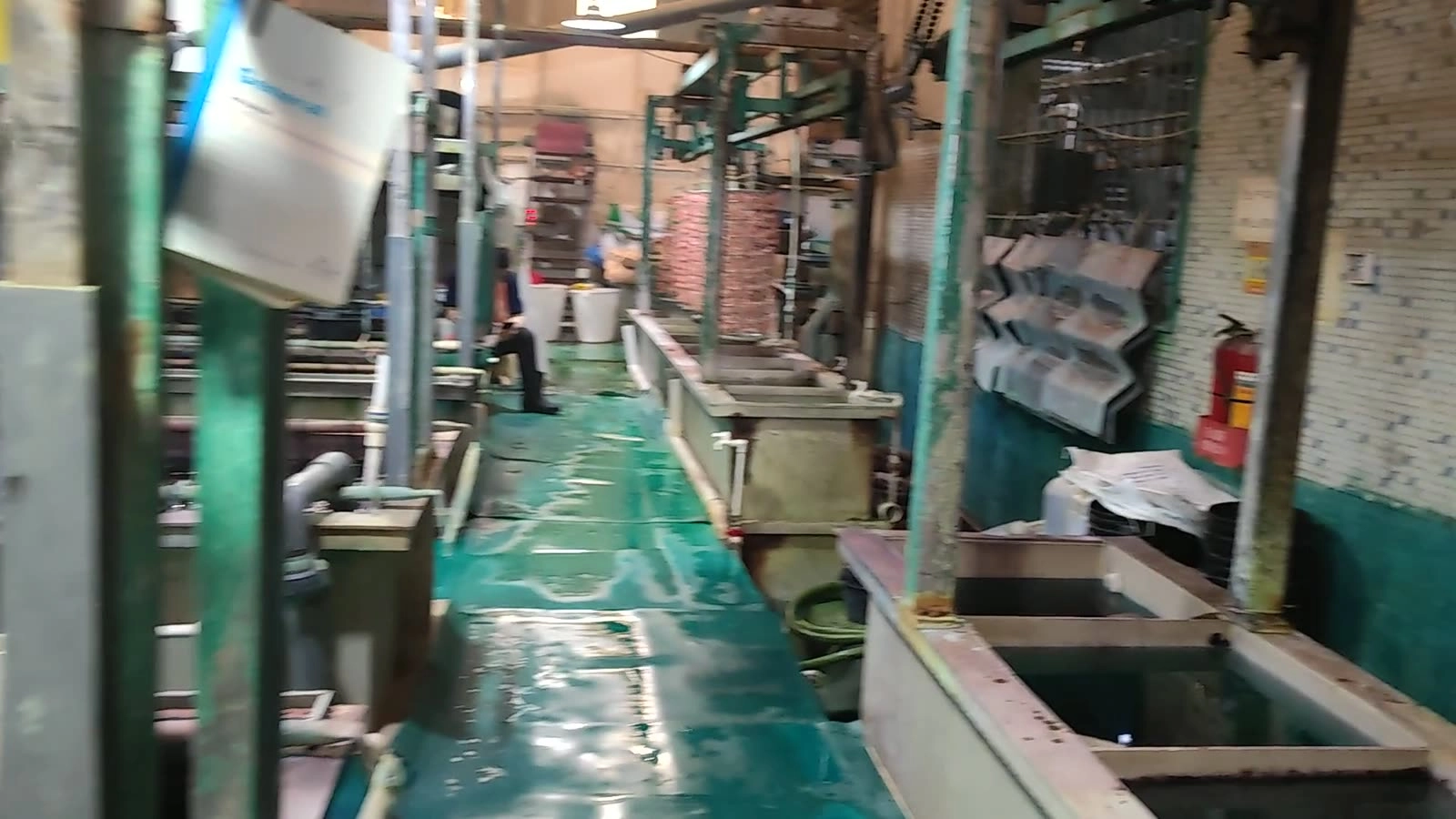
How we handle it on the line
- Benchmark: under normal use, plating should hold over 6 months without obvious fading or blistering — the common industry reference.
- Large-area fading within 6 months = process defect; under consumer-protection rules you can request return, exchange or repair.
- Edge cases that void the claim: sweat soaking, cosmetic contact and seawater are accelerating environments — sellers can argue misuse.
- Evidence kit: purchase receipt, photos of the faded areas, and the side that never touched skin as comparison.
- For B2B the standard should not be 'depends on personal use': tie the promise to salt-spray / artificial-sweat tiers in the contract.
- Front-loading acceptance criteria is what actually prevents disputes, not after-the-fact arguing.
- QLQ commits to B2B customers by salt-spray/artificial-sweat tier written into the contract — measurable, not subjective.
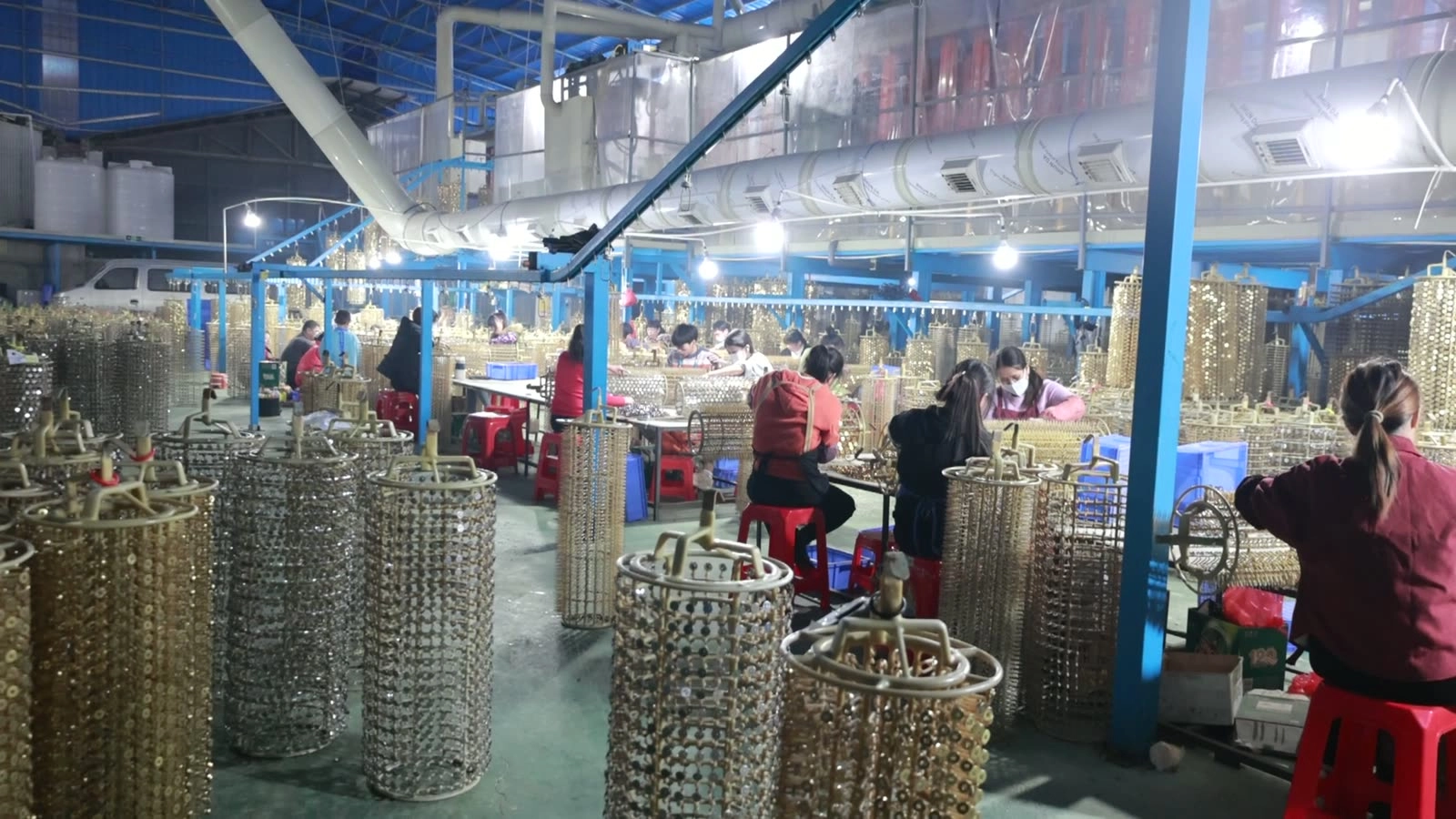
Honest boundaries
- The 6-month benchmark is an industry consensus reference, not a statutory warranty period in every jurisdiction.
- Accelerating environments (sweat, cosmetics, seawater) legitimately shift expectations — claims inside them are contestable.
- Slight dulling on high-touch faces within the period can be normal wear rather than process fault; comparison surfaces matter.
FAQ
My bag hardware faded in two months — is that a quality defect I can claim?
If fading is large-area within 6 months of normal use, it qualifies as a process defect by industry consensus — you can seek return, exchange or repair under consumer-protection rules.
The seller says I caused the fading by sweating on it — can they do that?
For heavy sweat soaking, cosmetics or seawater, yes — those are accelerating environments. Your untouched comparison side and usage photos are what decide the case.
What evidence should I keep to support a fading claim?
Purchase receipt, dated photos of the faded areas, and photos of a comparable side that never contacted skin. That comparison is what separates wear from defect.
As a brand, how do we spec hardware color retention to avoid disputes?
Contract it by salt-spray / artificial-sweat tiers instead of vague promises. QLQ commits to tier-based retention in the contract — measurable acceptance up front means fewer disputes later.