

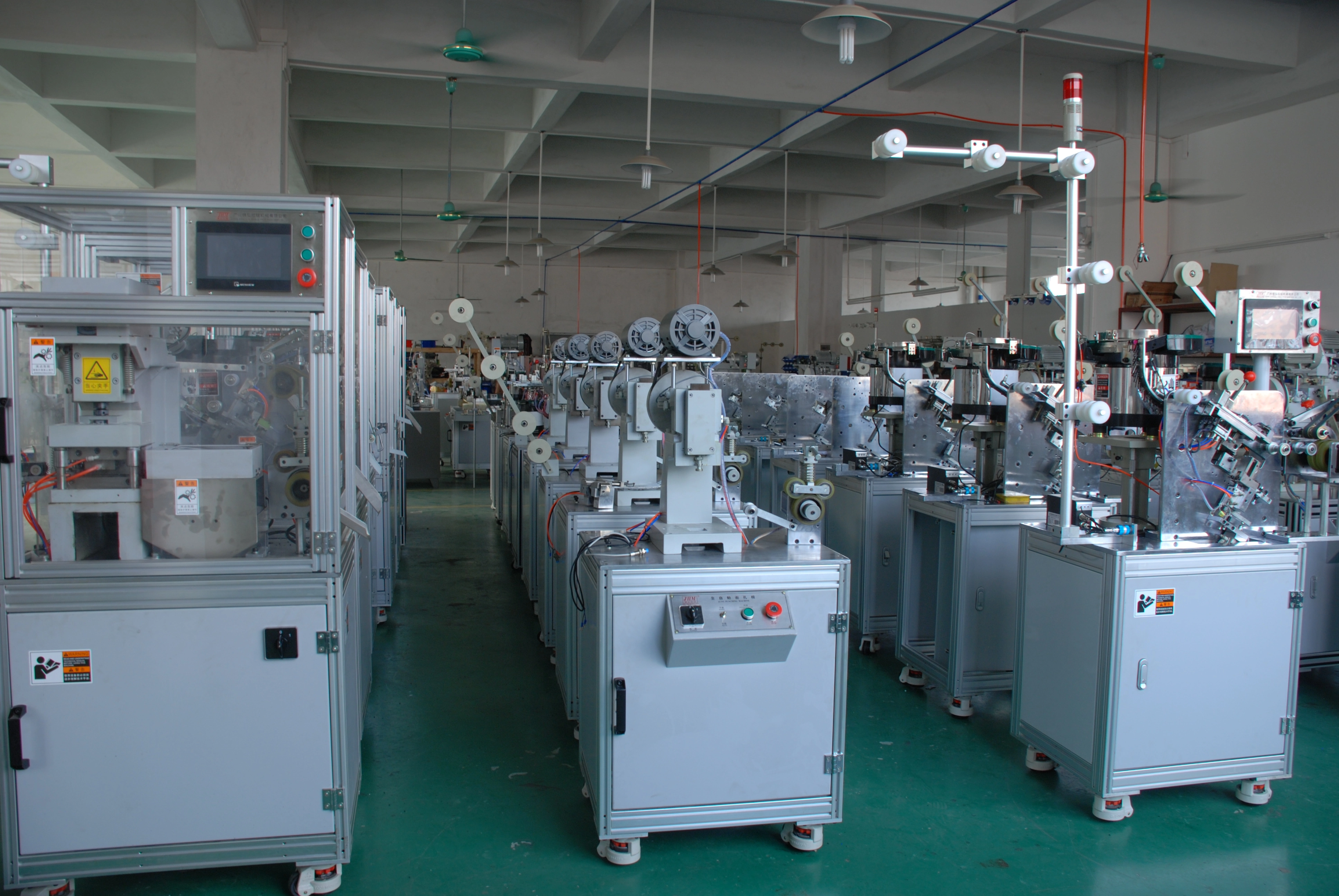
Anodizing Line Energy Cost per Part: Metering and Reduction Plan — 阳极线单件能耗核算:分项计量与降耗路线图.
A working reference designed to be printed and used at the line. It complements the failure case studies in the Technician Hub with the standard documents those cases eventually produced.
Common Mistakes and How to Avoid Them
| Mistake | Why It Happens | Practical Fix |
|---|---|---|
| 1. Ignoring contact burn marks | Early burns = later rejects | Inspect contacts every load; dress or replace tips |
| 2. Skipping voltage log | Drift invisible until batch fails | Log V and A every load; review weekly |
Best Practices
- Contact point diagram at the loading bench
- Voltage-temperature log reviewed weekly
- Fixture re-tightening torque standard
Load-Start Sequence
- Inspect contacts - Pressure and burn marks (Burned tips mark parts)
- Log bath V and T - Against control band (No log = no control)
- Rack into tank - Full contact confirmed (Loose racks float)
Diagram at bench | Supervisor weekly review
Anodizing Control Reference
Type II sulphuric acid windows for hardware; fine-tune per alloy.
| Parameter | Reference | Why It Matters |
|---|---|---|
| Bath temperature | 18-22 °C | Controls dissolution and film hardness |
| Current density | 1.2-1.6 A/dm² | Sets film growth rate |
| Voltage | 12-18 V typical | Track vs time; drift = bath change |
| Film thickness target | Per customer spec | Verify per lot with gauge |
A contact diagram stopped the burns
Scenario. Burn marks kept appearing on high-current contact points.
Action. Contact diagram posted; tips inspected every load and dressed on a schedule.
Result. Burn rejects fell sharply within two weeks.
Frequently Asked Questions
How often should contacts be checked?
Every load. A burned tip marks every part it touches until someone notices.
Why log voltage every load?
Voltage drift is the first sign of bath chemistry change — earlier than any visual cue.
What does a burn mark mean?
Localized over-current at the contact. Dress or move the contact; do not just reject the part.
Implementation Roadmap
| Step | Frequency |
|---|---|
| Contact checks live | Every load |
| V-T log reviewed | Weekly |
| Energy metering plan | Month 1 |
What Would You Like to Solve?
If you would like this checklist or template adapted to your own line and part mix, contact QLQ — we supply the full equipment and chemistry package along with the working documents that make it run.