
Professional Zinc Alloy Surface Finishing Solutions
Zinc Oxide
Zinc Oxide
QR 코드 생성
-
Estimated Delivery:Oct 02 - Oct 06
-
Free Shipping & Returns: On all orders over $75
Product description
Shipping & Return
Product Overview
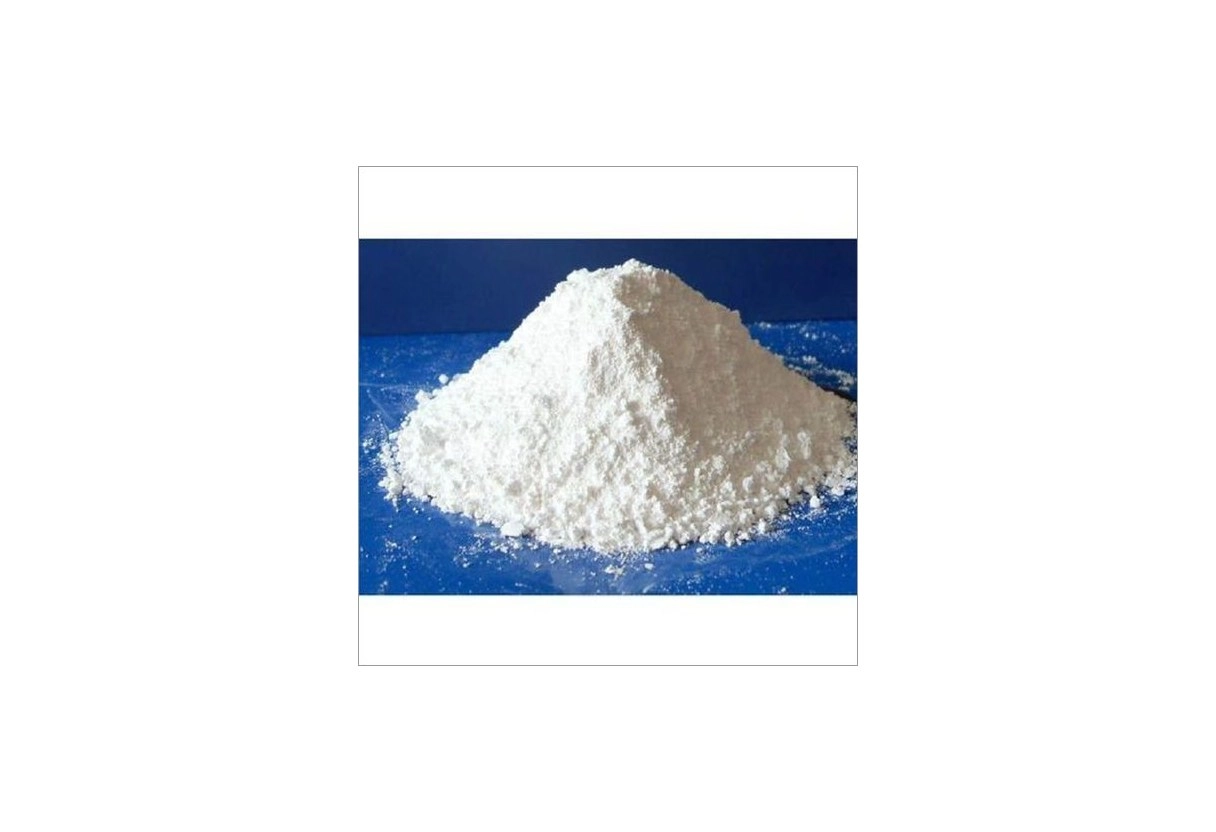
Zinc Oxide (ZnO) is the raw material that builds alkaline non-cyanide (zincate) and cyanide zinc plating baths. Dissolved in strong caustic soda, zinc oxide forms sodium zincate - the source of zinc metal that barrel and rack lines plate onto fasteners, brackets and small hardware. In QLQ's finishing plants zinc oxide makes up and maintains the alkaline zinc lines that protect the steel hardware in zipper and bag fittings before passivation. The commercial material is a fine white powder made by the French (indirect) or American (direct) process; the finishing shop specifies the French-process grade (≥ 99.5% ZnO) because its purity - especially low lead and cadmium - is what keeps deposits bright and effluent legal. Lower-priced rubber or ceramic grades sold on color and surface area are not held to heavy-metal limits: a single contaminated lot can dull a whole bath and push lead or cadmium into the rinse. Because 10 g/L zinc oxide dissolves to roughly 8 g/L of zinc metal, bath control is done on analyzed zinc, and oxide make-up is simply the cleanest way to replace what plating removes.
Product Identity (Encyclopaedia Card)
| Property | Value |
|---|---|
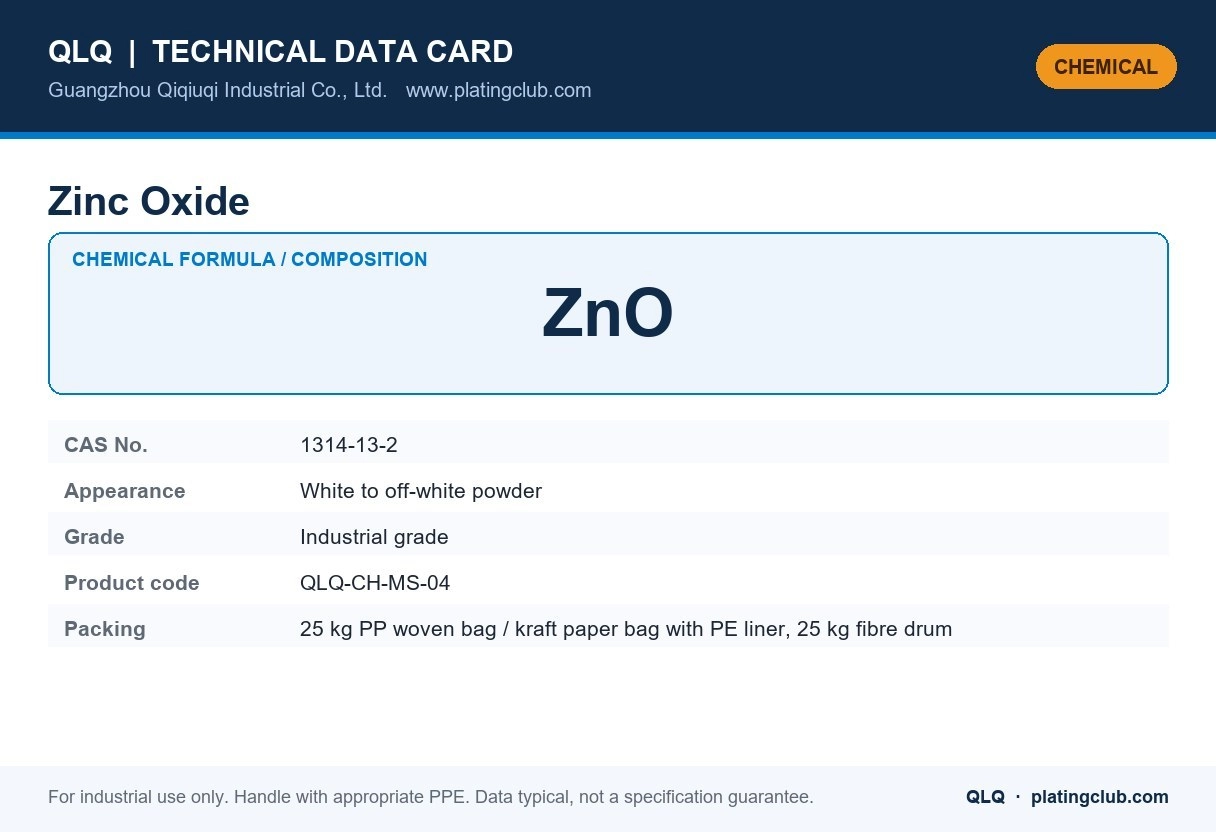
| Chemical name | Zinc Oxide |
| Chemical formula | ZnO |
| CAS number | 1314-13-2 |
| Appearance | White to off-white powder |
| Grade / type | Industrial grade |
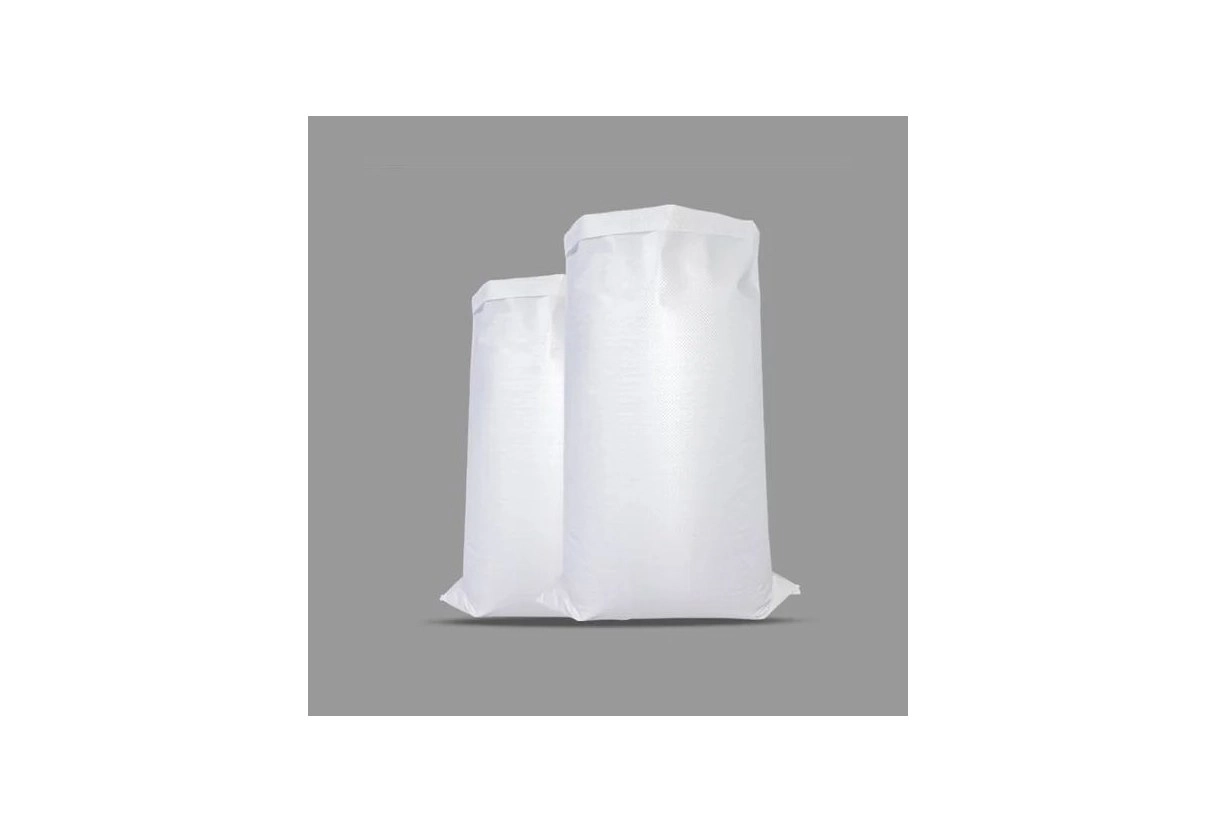
| Standard packing | 25 kg PP woven bag or kraft paper bag with PE inner liner; 25 kg fibre drum |
What it is and what it does. Zinc oxide is the zinc source of the zincate (alkaline) plating bath and of zinc-rich organic coating systems. Made up with sodium hydroxide it forms the soluble zincate that plates the sacrificial zinc layer used on steel fasteners.
- Fine white to off-white powder; the French process and the American process grades differ in particle size and in lead content.
- Used together with sodium hydroxide, a brightener and a zincate additive for the alkaline zinc bath.
- Also used in the formulation of cold-galvanising paints and in rubber and ceramic compounds.
Typical Use in a Plating / Finishing Line
| Item | Typical guidance |
|---|---|
| Alkaline zinc bath | 10-14 g/L ZnO dissolved in 100-140 g/L NaOH |
| Operating temperature | 20-30 C |
| Cathode current density | 1-4 A/dm2 |
| Note | Reacts strongly with alkali during make-up - add the powder slowly to the diluted caustic |
Safety, Handling & Storage
| Item | Requirement |
|---|---|
| Hazard classification | Harmful / toxic (GHS06/08 depending on the metal) + skin sensitiser |
| Personal protective equipment | Nitrile gloves, goggles, dust mask, coverall; no eating or smoking in the work area |
| Spill / first aid | Sweep up dry, place in a labelled drum, rinse the area; do not discharge metal-bearing solution to drains |
| Storage | Dry, ventilated store, keep bags closed; segregate from acids, oxidisers and food; keep a COA and an MSDS with each batch |
| Transport | Classified and packed according to IATA/IMDG for the hazard class; UN number and packing group stated on the shipping documents |
Quality Documents Shipped With Every Batch
| Document | Comment |
|---|---|
| COA (certificate of analysis) | Provided with the shipment; batch traceable to the production date |
| MSDS (safety data sheet) | Provided with the shipment; batch traceable to the production date |
| Packing list | Provided with the shipment; batch traceable to the production date |
| Commercial invoice | Provided with the shipment; batch traceable to the production date |
| Certificate of origin on request | Provided with the shipment; batch traceable to the production date |
Buyer Questions We Answer Every Week
| Question | Answer |
|---|---|
| Which grade is used for plating? | The technical grade with low lead and iron content is the one used in plating shops. |
| Is the bath cyanide-free? | Yes, the zincate bath is free of cyanide and is the standard replacement for cyanide zinc. |
| Item | Typical Value |
|---|---|
| Chemical formula | ZnO (zinc oxide) |
| ZnO content | ≥ 99.5% (French process, plating grade) |
| Appearance | Fine white powder, free-flowing, no lumps |
| Lead (Pb) | ≤ 0.005% |
| Cadmium (Cd) | ≤ 0.002% |
| Iron (Fe) | ≤ 0.005% |
| Acid insolubles | ≤ 0.05% |
| Standard packing | 25KG woven bag with PE inner liner |
How It Works in the Bath (Zincate Chemistry)
Zinc oxide is amphoteric: it is insoluble in plain water but dissolves readily in strong alkali. In the zincate make-up, ZnO is added to a hot caustic solution where it reacts to soluble sodium zincate (Na2Zn(OH)4). The working bath is then a simple two-component system - zinc metal 6-14 g/L and sodium hydroxide 100-140 g/L, plus the proprietary carrier and brightener. Zinc metal is the fuel of the deposit and is pulled down by drag-out and plating, so routine maintenance replaces it from zinc oxide additions based on the zinc titration. Sodium hydroxide holds the zinc in solution and carries the current; if it falls below about 75 g/L the zinc starts to precipitate out of solution as a white cloud. The balance between the two is expressed as the Zn-to-NaOH ratio, and experienced operators keep it inside the window the additive supplier specifies because the ratio decides throwing power, deposit brightness and stress together.
| Component | Alkaline zincate (rack) | Alkaline zincate (barrel) |
|---|---|---|
| Zinc oxide (make-up basis) | 10-15 g/L (≈ 8-12 g/L Zn) | 8-12 g/L (≈ 6-10 g/L Zn) |
| Sodium hydroxide | 100-135 g/L | 100-140 g/L |
| Carrier / brightener | per supplier make-up and replenisher | |
| Temperature | 20-32°C | 18-30°C |
| Cathode current density | 1-4 A/dm² | 0.5-2 A/dm² |
| Anodes | high-purity zinc (≥ 99.99%), keep anode area balanced | |
In cyanide zinc make-up the oxide plays the same metal-supply role, dissolving into the sodium cyanide - caustic complexing system; the oxide purity rules are identical, and bath control is again on analyzed zinc metal rather than on powder weight.
How to Check Quality Before Loading a Batch
| Check | Method | Pass Criteria |
|---|---|---|
| Appearance | Visual | White powder; yellowish tint signals iron contamination |
| Assay (ZnO) | EDTA complexometric titration after dissolving in acid | ≥ 99.5% |
| Lead / cadmium | COA, spot-check by AA or ICP | Pb ≤ 0.005%, Cd ≤ 0.002%; heavy metals dull deposits and pollute rinses |
| Dissolution test | Dissolve 20 g in 200 mL hot 10% NaOH | Clear, pale solution in a few minutes; sediment or haze = insolubles or wrong grade |
| Hull cell in a live zinc bath | Add planned oxide make-up; plate a panel | Bright range and color unchanged; no grey or burnt high-CD band |
How QLQ controls it: every zinc oxide lot is quarantined until the assay and the lead/cadmium figures on the COA match the specification, and a dissolution test plus a Hull cell panel are run before the lot is released to the zinc line. The lot number is written into the bath log so any brightness or effluent surprise can be traced to the exact delivery.
Common Problems & Fixes (Workshop Table)
| Problem | Root cause | Fix |
|---|---|---|
| White cloud or sediment in a new bath | Oxide added to cold or weak caustic; insolubles in the powder | Dissolve oxide in hot 100+ g/L NaOH with stirring; filter; verify oxide grade |
| Grey, streaky deposits at normal current | Zinc metal too low or ratio out of window | Titrate zinc and NaOH; add oxide to restore zinc; correct ratio before plating production |
| Burning at high-current-density areas | Zinc too low for the current, or temperature above the range | Raise zinc via oxide make-up; cool to 20-30°C; reduce loading |
| Dull deposits after changing oxide lot | Heavy-metal impurities (lead/cadmium) in the new lot | Verify COA; carbon/electrolytic purification; return the lot if out of spec |
| Efficient plating but rough, treeing deposits | Zinc too high relative to caustic; additive depleted | Reduce oxide additions; raise NaOH cautiously; replenish additive by amp-hours |
Handling & Safety for the Plating Line
- Health: zinc oxide dust irritates the nose and throat and can cause metal fume fever if inhaled in quantity. Wear a dust mask and goggles when opening bags and weighing.
- Dissolving: the oxide-to-caustic reaction is exothermic. Add oxide slowly to hot caustic solution with stirring; never add water to caustic, and never add oxide to cold dilute caustic and expect it to dissolve.
- Dust control: fine powder drifts easily. Empty bags slowly inside a ventilated dosing area and keep the powder dry.
- Storage: bags sealed on pallets, dry. Damp oxide absorbs CO2 and forms basic zinc carbonate lumps that dissolve poorly.
- Spills: sweep dry powder for reuse if clean; otherwise collect as zinc-bearing waste. Do not hose oxide into drains - zinc limits in effluent are tightly controlled.
What It Does on Iron, Zinc Alloy, Copper and Stainless Steel Parts
| Substrate | Role of the zinc layer this oxide builds | Recommended practice |
|---|---|---|
| Iron / steel small hardware | Sacrificial corrosion protection on fasteners, springs, brackets | Zincate plate 5-12 μm, then clear or yellow passivate; oxide make-up keeps zinc in range |
| Zinc alloy (sliders, buckles) | Not plated with zinc - the substrate is already zinc; plating zinc on it adds nothing | Treat die-cast zinc with copper + nickel + chrome decoration instead of zinc plating |
| Copper / brass | Rarely zinc-plated in hardware work; mainly used where galvanic spec requires it | If specified, use a strike and keep immersion short to avoid zincate attack on copper |
| Stainless steel | Zinc on stainless is used only for special galvanic-coupling designs | Activate properly first; otherwise keep stainless out of the zincate line to avoid contamination |
FAQ
| Question | Answer |
|---|---|
| How much zinc oxide do I add when my zinc is low? | 1 g/L ZnO adds about 0.8 g/L zinc metal, so a bath short by 2 g/L zinc needs roughly 2.5 g/L of oxide dissolved in hot caustic - then re-analyze rather than trust the math alone. |
| Why does my oxide not dissolve? | The caustic is too cold or too dilute, or the powder has absorbed CO2 and formed carbonate lumps. Use hot 100+ g/L NaOH and stir until clear. |
| Can I save money with rubber-grade zinc oxide? | Not in plating. Rubber and ceramic grades tolerate lead, cadmium and surface treatments that dull deposits and contaminate effluent. The assay price difference is small next to a dumped bath. |
| Why does my alkaline zinc bath go cloudy? | Most often zinc precipitated because NaOH fell below the holding level, or the bath is cold. Analyze both; warm and re-dissolve before adding anything. |
| Does QLQ supply plating-grade zinc oxide with support? | Yes. QLQ supplies French-process zinc oxide with COA covering assay, lead and cadmium, and engineers help with zincate make-up, maintenance and troubleshooting. |
Zinc bath drifting dull or cloudy? QLQ supplies plating-grade zinc oxide with COA and engineers who help customers in 10+ countries run alkaline zincate lines. Contact us with your bath analysis.
Shipping cost is based on weight. Just add products to your cart and use the Shipping Calculator to see the shipping price.We want you to be 100% satisfied with your purchase. Items can be returned or exchanged within 30 days of delivery.