

Professional Zinc Alloy Surface Finishing Solutions
Copper Pyrophosphate
Copper Pyrophosphate
QR 코드 생성
-
Estimated Delivery:Oct 02 - Oct 06
-
Free Shipping & Returns: On all orders over $75
Product description
Shipping & Return
Product Overview
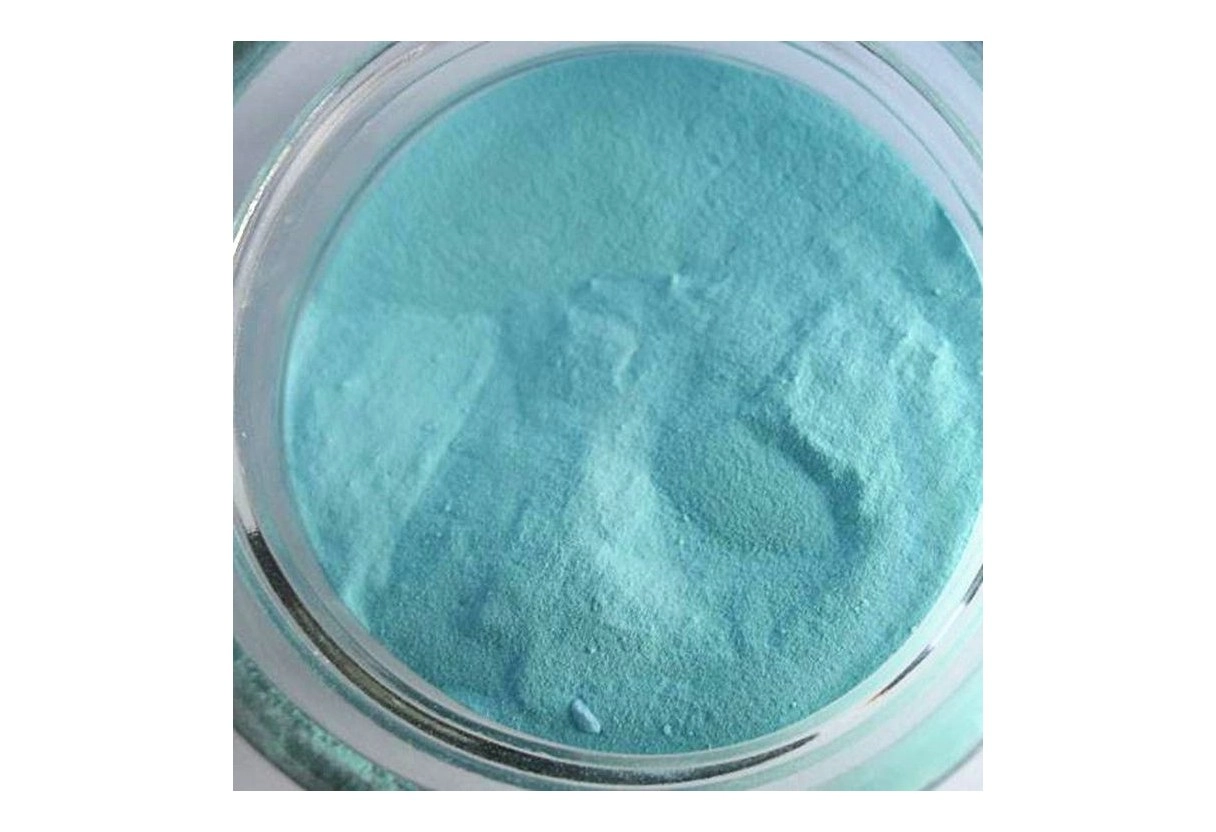
Copper Pyrophosphate (Cu2P2O7·3H2O) is the main salt of the pyrophosphate copper bath - the workhorse cyanide-free process for plating copper directly on zinc die-cast hardware, steel and copper alloys, and the classic through-hole copper of printed circuit boards. It is a light-blue crystalline powder containing about 35% copper, and it is bought on copper content, not on bag weight. Unlike copper sulfate or copper cyanide, pyrophosphate copper cannot simply be dumped into water: it must be dissolved into a hot potassium pyrophosphate solution, where the pyrophosphate ion complexes the copper and holds it in solution at the working pH of 8.2-8.8. Market grades differ in copper assay, free-acid impurities and trace metals (Fe, As, Pb): plating grade carries Cu 34-36% with low iron and arsenic, while cheaper technical lots sold for non-plating uses can carry impurities that dull the deposit or poison adhesion. QLQ selects low-impurity plating-grade salt so bath make-up is predictable from lot to lot.
Product Identity (Encyclopaedia Card)
| Property | Value |
|---|---|
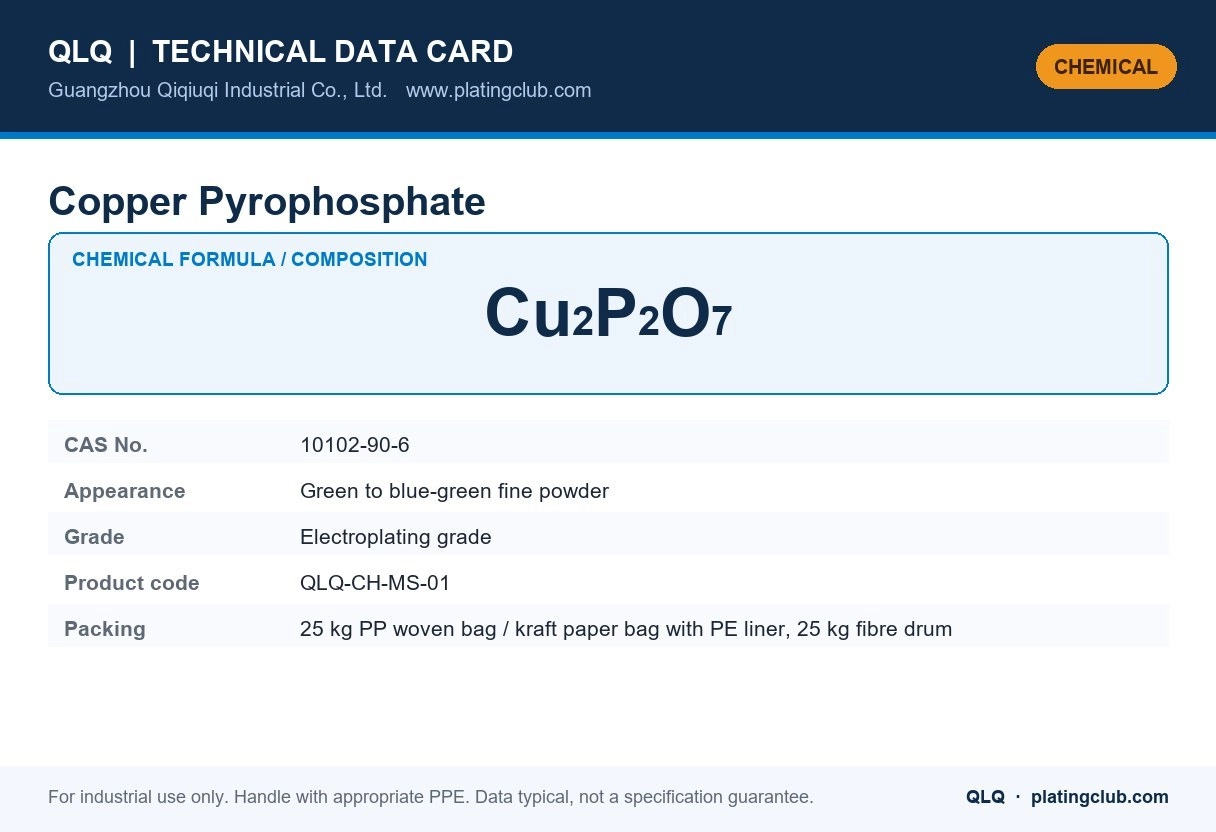
| Chemical name | Copper Pyrophosphate |
| Chemical formula | Cu2P2O7 |
| CAS number | 10102-90-6 |
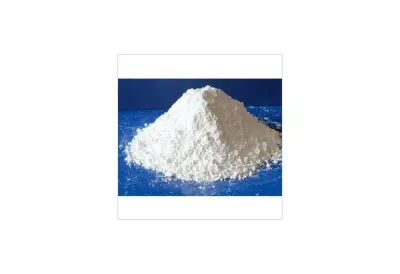
| Appearance | Green to blue-green fine powder |
| Grade / type | Electroplating grade |
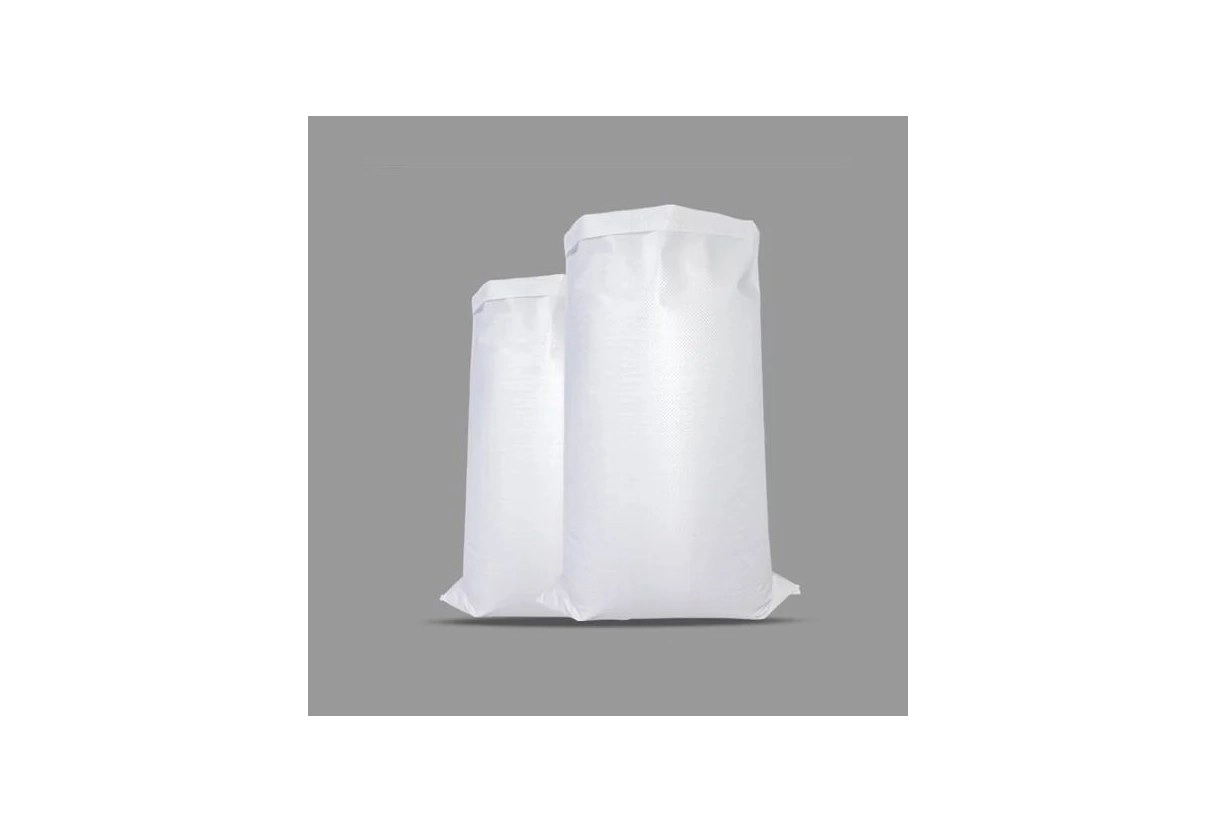
| Standard packing | 25 kg PP woven bag or kraft paper bag with PE inner liner; 25 kg fibre drum |
What it is and what it does. Copper pyrophosphate is the copper source of the non-cyanide alkaline copper bath used for plating on zinc die castings and on steel where cyanide is not allowed.
- Green powder, practically insoluble in water alone - it dissolves in excess potassium pyrophosphate to form the plating complex.
- The alkaline pyrophosphate bath throws power well into recesses, which is why it is used for die-cast zipper sliders.
- Iron and lead contamination must be kept low because the bath is sensitive to metallic impurities.
Typical Use in a Plating / Finishing Line
| Item | Typical guidance |
|---|---|
| Pyrophosphate copper bath | 60-90 g/L Cu2P2O7 with 200-300 g/L K4P2O7, P ratio about 7-7.5 |
| pH / temperature | 8.5-9.2 at 50-60 C |
| Cathode current density | 1-5 A/dm2 with air agitation |
Safety, Handling & Storage
| Item | Requirement |
|---|---|
| Hazard classification | Harmful / toxic (GHS06/08 depending on the metal) + skin sensitiser |
| Personal protective equipment | Nitrile gloves, goggles, dust mask, coverall; no eating or smoking in the work area |
| Spill / first aid | Sweep up dry, place in a labelled drum, rinse the area; do not discharge metal-bearing solution to drains |
| Storage | Dry, ventilated store, keep bags closed; segregate from acids, oxidisers and food; keep a COA and an MSDS with each batch |
| Transport | Classified and packed according to IATA/IMDG for the hazard class; UN number and packing group stated on the shipping documents |
Quality Documents Shipped With Every Batch
| Document | Comment |
|---|---|
| COA (certificate of analysis) | Provided with the shipment; batch traceable to the production date |
| MSDS (safety data sheet) | Provided with the shipment; batch traceable to the production date |
| Packing list | Provided with the shipment; batch traceable to the production date |
| Commercial invoice | Provided with the shipment; batch traceable to the production date |
| Certificate of origin on request | Provided with the shipment; batch traceable to the production date |
Buyer Questions We Answer Every Week
| Question | Answer |
|---|---|
| Is the bath cyanide-free? | Yes, the pyrophosphate bath is the standard non-cyanide alkaline copper electrolyte. |
| Can you supply the matching potassium pyrophosphate? | Yes, both salt and complexant are stocked so the bath can be made up in one order. |
| Item | Typical Value |
|---|---|
| Chemical formula | Cu2P2O7·3H2O |
| Copper content | 34-36% (declared per lot COA) |
| Appearance | Light blue crystalline powder |
| Solubility | Insoluble in water; soluble in potassium pyrophosphate solution |
| Iron (Fe) | ≤ 0.02% |
| Arsenic / Lead (each) | ≤ 0.01% |
| Chloride | ≤ 0.05% |
| Standard packing | 25KG/BAG, PE-lined |
Process Guide: Building and Running a Pyrophosphate Copper Bath
Pyrophosphate copper exists because cyanide copper is toxic and acid copper attacks zinc die-cast. In the pyrophosphate bath, potassium pyrophosphate complexes copper so strongly that the metal ion is released only at the cathode surface - which lets the process plate directly onto zinc alloy without immersion deposits and gives the excellent throwing power that fills recesses of sliders and buckles. A proven starting formulation:
| Component | Working range | Role |
|---|---|---|
| Copper pyrophosphate | 60-90 g/L (Cu 20-30 g/L) | Main salt - supplies complexed copper |
| Potassium pyrophosphate (K4P2O7) | 280-360 g/L | Complexant and conductivity salt |
| P2O7 : Cu ratio | 6.5-8 : 1 (weight) | Complexing window; too low burns, too high dulls |
| Ammonia (as NH3) or ammonium nitrate | 1-3 g/L / 5-15 g/L | Anode depolarizer, improves brightness |
| pH | 8.2-8.8 | Adjust with KOH or potassium pyrophosphate - never NaOH |
| Temperature | 50-60°C | Below 45°C the bath loses brightness and speed |
| Cathode current density | 1-6 A/dm² (rack), 0.5-2 A/dm² (barrel) | With cathode agitation; filter continuously |
| Anodes | OFC rolled copper in bags | Anode CD 1-3 A/dm² to avoid passivation |
Make-up procedure matters: dissolve potassium pyrophosphate in hot water (60-70°C), then add copper pyrophosphate slowly with strong stirring; the bath clears to a deep blue solution. Orthophosphate builds up over months as pyrophosphate hydrolyzes - above roughly 60 g/L it narrows the bright range and a partial dilution is needed.
How It Compares with Other Copper Processes
| Property | Pyrophosphate Cu | Cyanide Cu | Acid Cu (sulfate) |
|---|---|---|---|
| Plates directly on zinc die-cast | Yes | Yes | No - attacks zinc |
| Throwing power | Good | Excellent | Poor |
| Toxicity / waste load | Low hazard, complexed metal | Cyanide destruction needed | Simple acid waste |
| Brightness | Semi-bright to bright with additives | Bright | Very bright |
| Typical place in a zipper line | Copper base on die-cast sliders | Strike/base on die-cast | Build thickness / decorative |
Many QLQ customers run pyrophosphate copper as the cyanide-free base for zinc-alloy sliders, then acid copper (where needed), nickel and chrome on top.
Quality Checks Before Use
| Check | Method | Pass |
|---|---|---|
| Color & form | Visual vs retained sample | Uniform light blue; no green tint (carbonate) or dark specks |
| Copper assay | COA (iodometric titration) | 34-36% Cu, declared per lot |
| Solubility test | Dissolve 100 g into 400 g/L hot K4P2O7 solution | Clear deep-blue solution; no residue after 30 min |
| Trace metals | COA (ICP) | Fe ≤ 0.02%, As/Pb ≤ 0.01% |
| Hull cell | Plate at 2-3 A in a fresh pyro copper bath | Smooth semi-bright panel, no burning at high CD |
How QLQ controls it: each lot is quarantined until copper assay and trace metals are checked against the COA and a Hull cell panel is run in a live pyrophosphate bath. The batch number is recorded per make-up so any adhesion or roughness complaint can be traced to the exact salt used. This is the same discipline QLQ applies to its own finishing lines, where pyro copper feeds the zipper-slider Cu-Ni-Cr process.
Common Problems & Fixes (Workshop Table)
| Problem | Root cause | Fix |
|---|---|---|
| Burning at high current density | Copper too low, ratio too low, or no agitation | Add copper pyrophosphate; verify P2O7:Cu ratio; restore cathode agitation |
| Dull, hazy deposit | Free pyrophosphate too high or temperature too low | Raise temperature to 55-60°C; adjust ratio toward 7:1 |
| Rough deposit on die-cast | Zinc dissolved in a bad strike or orthophosphate build-up | Improve strike/activation; check orthophosphate; partial dilution |
| Adhesion failure on zinc sliders | Over-etching or pyrophosphate bath too cold at entry | Control activation; plate-on at temperature; check cleaner residues |
| Anodes black, copper falls | Anode passivation (anode CD too high or ammonia too low) | Add ammonia 1-3 g/L; raise anode area; bag and clean anodes |
| pH keeps rising / falling | Anode/cathode efficiency imbalance or sodium contamination | Use KOH only; dummy the bath; check for NaOH being used by mistake |
Handling & Safety
- Health: copper salt dust is an irritant; wear a dust mask, gloves and goggles when opening bags and weighing.
- Make-up: copper pyrophosphate dissolves only in hot potassium pyrophosphate solution - never add it to plain water and expect a bath. Add slowly to avoid undissolved residue and hot splashes.
- Alkaline bath: the working bath is alkaline and warm; wear eye protection when sampling or adjusting pH with KOH.
- Effluent: spent pyro copper waste is complexed - copper will not simply precipitate with lime. Break the complex (acidify to below pH 2, then neutralize and settle, or use sulfide precipitation / electrolytic recovery) before discharge.
- Storage: sealed bags on pallets in a dry store; the salt is not flammable but absorbs moisture and must stay dry for accurate weighing. Shelf life sealed: 24 months.
What It Does on Iron, Zinc Alloy, Copper and Stainless Steel Parts
| Substrate | Role of the pyrophosphate copper layer | Practice note |
|---|---|---|
| Zinc alloy (sliders, buckles) | The defining application - cyanide-free copper base that covers zinc without attack and carries the Cu-Ni-Cr CASS stack | Plate-on at temperature; 3-6 μm copper before nickel |
| Iron / steel hardware | Adherent copper base with good throwing power into recesses before nickel/chrome | Activate in acid first; pyro copper gives fine grain for nickel |
| Copper / brass | Rework and build-up copper with less risk of immersion plating than acid copper | Clean and activate; keep ratio in window to avoid dullness |
| Stainless steel | Used after a Wood’s nickel strike where a thick, ductile copper underlayer is needed | Strike nickel at high CD first; pyro copper then builds without pinholes |
FAQ
| Question | Answer |
|---|---|
| Why buy copper pyrophosphate instead of copper sulfate? | Different jobs. Sulfate copper is for acid, leveling-thickness work; pyrophosphate copper is the cyanide-free way to plate copper directly onto zinc die-cast with good throwing power. Most zipper-slider lines use both in different positions. |
| Can I replace my cyanide copper strike with pyrophosphate copper? | In many decorative die-cast lines, yes - with correct activation and plate-on-at-temperature practice. Test on your parts first: adhesion and CASS results decide, and QLQ engineers can help run the trial. |
| My bath analysis shows high orthophosphate. What do I do? | Orthophosphate accumulates from pyrophosphate hydrolysis. Above ~60 g/L, dilute the bath (keep the complexants in balance) or start a new bath and avoid over-temperature operation to slow future build-up. |
| Does QLQ supply the full pyrophosphate copper system? | Yes - copper pyrophosphate, potassium pyrophosphate, additives and anodes are available together with written make-up and analysis procedures, plus remote commissioning support. |
Copper base failing on zinc alloy? Send QLQ engineering your adhesion and CASS results - we help plating shops in 10+ countries convert to or stabilize pyrophosphate copper lines. Contact us.
Shipping cost is based on weight. Just add products to your cart and use the Shipping Calculator to see the shipping price.We want you to be 100% satisfied with your purchase. Items can be returned or exchanged within 30 days of delivery.