
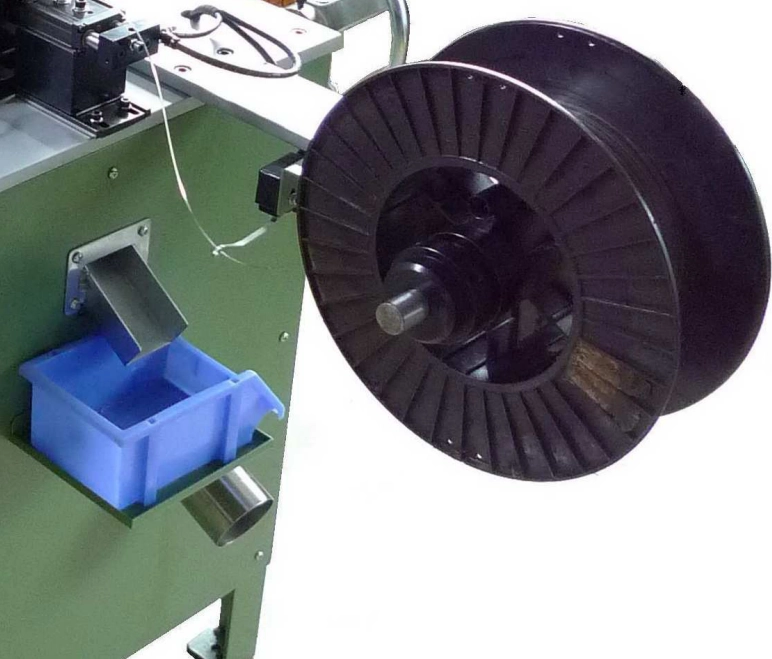
Most mechanical failures are lubrication failures: the wrong oil, the missed grease point or a worn belt. A simple routine prevents most of them.
This junior guide covers lubrication and belt care for finishing line equipment.
Common Mistakes and How to Avoid Them
The pitfalls that show up most often in real projects, with the cause and the practical fix.
| Mistake | Why It Happens | Practical Fix |
|---|---|---|
| 1. Wrong oil type | Equipment damage | Use the spec oil |
| 2. Lube points missed | Wear | Follow the list |
| 3. Over-greasing | Seal damage | Per spec amount |
| 4. Belts loose | Slip and heat | Tension per spec |
| 5. Belts worn | Failure | Replace per hours |
| 6. No schedule | Missed points | Written schedule |
| 7. No log | Repeats invisible | Log every service |
| 8. Cleaning skipped | Contamination | Clean before lube |
Best Practices That Hold Up in Production
The operating disciplines that separate a reliable line from a reactive one.
- Use the spec oil and amount
- Follow the written lube list
- Check belt tension and wear
- Keep a written schedule
- Log every service
Implementation Roadmap
A practical sequence that can be adapted to your own project.
Process Flowchart
Lube and belt flow
A step-by-step sequence with notes and cautions so every shift follows the same order.
- Lubrication is the cheapest maintenance.
- Belt wear follows hours, not feel.
- Never mix oil types.
- Clean the point before lubricating.
Working Data & Formula Notes
Lube data
Reference values for lubrication and belts.
| Component / Parameter | Working Value / Role | What Changes Mean (annotation) |
|---|---|---|
| Oil type | Per spec | Wrong oil damages |
| Grease | Per spec amount | Over-grease seals |
| Belt tension | Per spec | Slip heats |
| Belt life | Per hours | Replace on schedule |
Reference Data
Specifications and references cited in this guide. Confirm final parameters with your line supplier.
Lube schedule example
| Equipment | Point | Oil | Interval |
| Pump | Bearings | Per spec | Weekly |
| Hoist | Chain | Per spec | Weekly |
| Conveyor | Rollers | Per spec | Monthly |
| Belts | All | Check | Weekly |
Implementation Cases
Case 1 - a wrong oil that wore a pump
Situation. A pump wore out in months; the wrong oil type had been used at a top-up.
Approach. The oil spec was posted at the point and the lube log was started.
Outcome. Pump life returned to normal; the spec is now on the card.
Case 2 - a loose belt that overheated a blower
Situation. A blower ran hot; its belt was loose and slipping.
Approach. Belt tension was set per spec and a weekly belt check was added.
Outcome. The blower cooled; the belt check is on the round.
Frequently Asked Questions
Why the spec oil?
Wrong oil damages bearings and seals; the spec is the safe type.
Why clean before lube?
Dirt pushed into the point becomes grinding paste.
Why not over-grease?
Over-greasing blows seals and attracts dirt.
Why check belts?
Loose belts slip and heat; worn belts fail.
Why replace per hours?
Belt wear follows hours, not feel.
Why a written schedule?
A written list stops missed points.
Why log every service?
The log shows what was done and when.
What do I report?
Abnormal wear, noise or heat immediately.
Who owns the schedule?
Maintenance, with operators reporting changes.
What Would You Like to Solve?
Tell us your equipment list and current lube practice. We can help build the lube schedule, belt check and service log for your line.
Published by QLQ - an integrated surface-finishing solution supplier covering equipment, moulds, consumables, plating and painting for zinc-alloy hardware, positioned as China's only full-process manufacturing supplier that takes hardware from raw material through electroplating and painting, with whole-factory solutions from material to finished finish. Values cited are project references; confirm with your line supplier before specification.