
Special Color Plating — Rose Gold, Gun Metal, Champagne & More
The fashion-color playbook: alloy systems, process windows, and how we hold ΔE ≤ 1.0 across batches.
Colors On Our Line
Nine fashion finishes, all Pantone-matchable
How Special Colors Are Built
Color is a 3-layer system — base, color flash, protection
1Base Coat (Brightness Foundation)
Bright nickel or acid copper base at 8–12 μm. The base brightness decides 70% of the final look — a dull base makes muddy rose gold.
2Color Bath Formulation
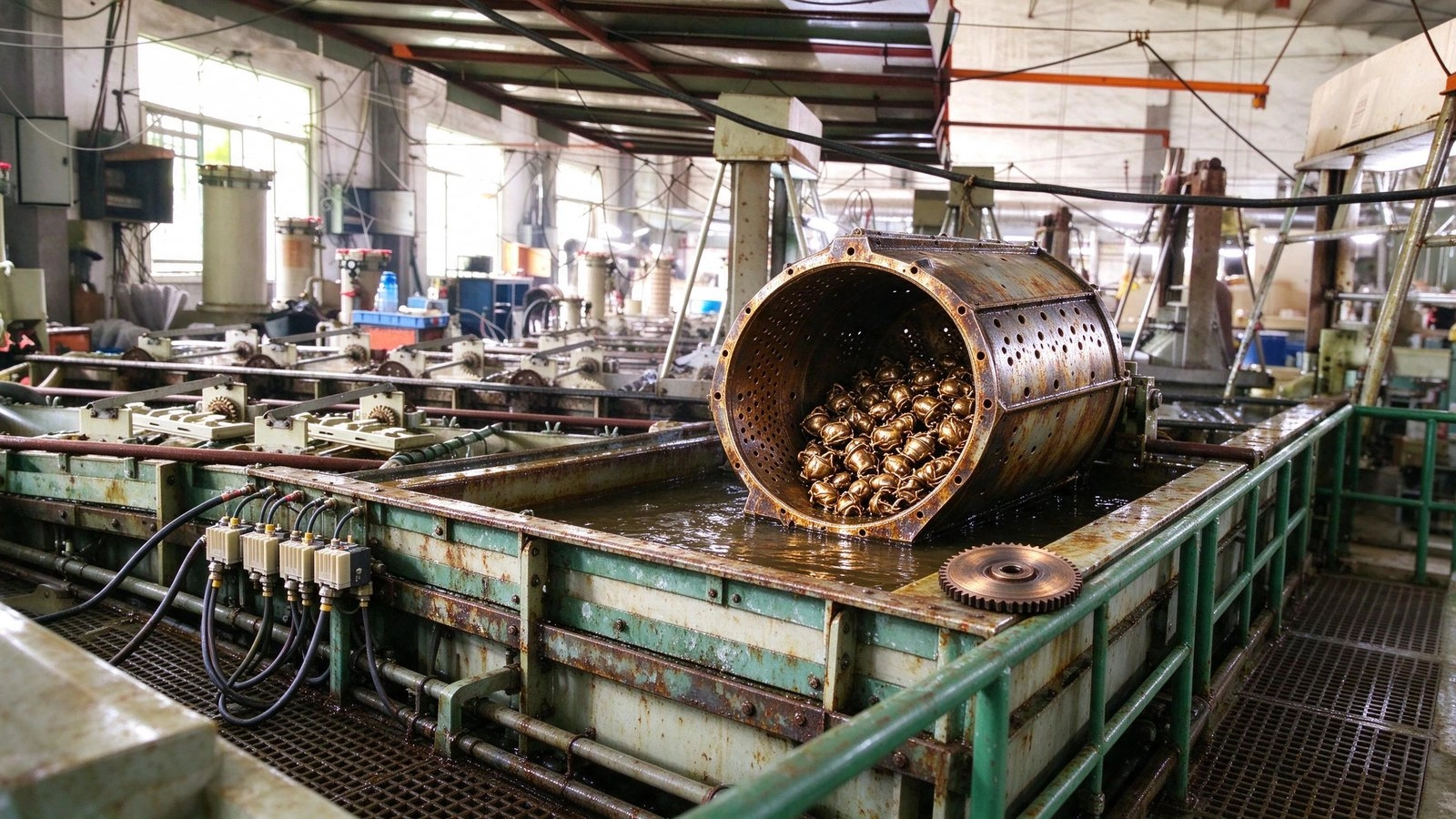
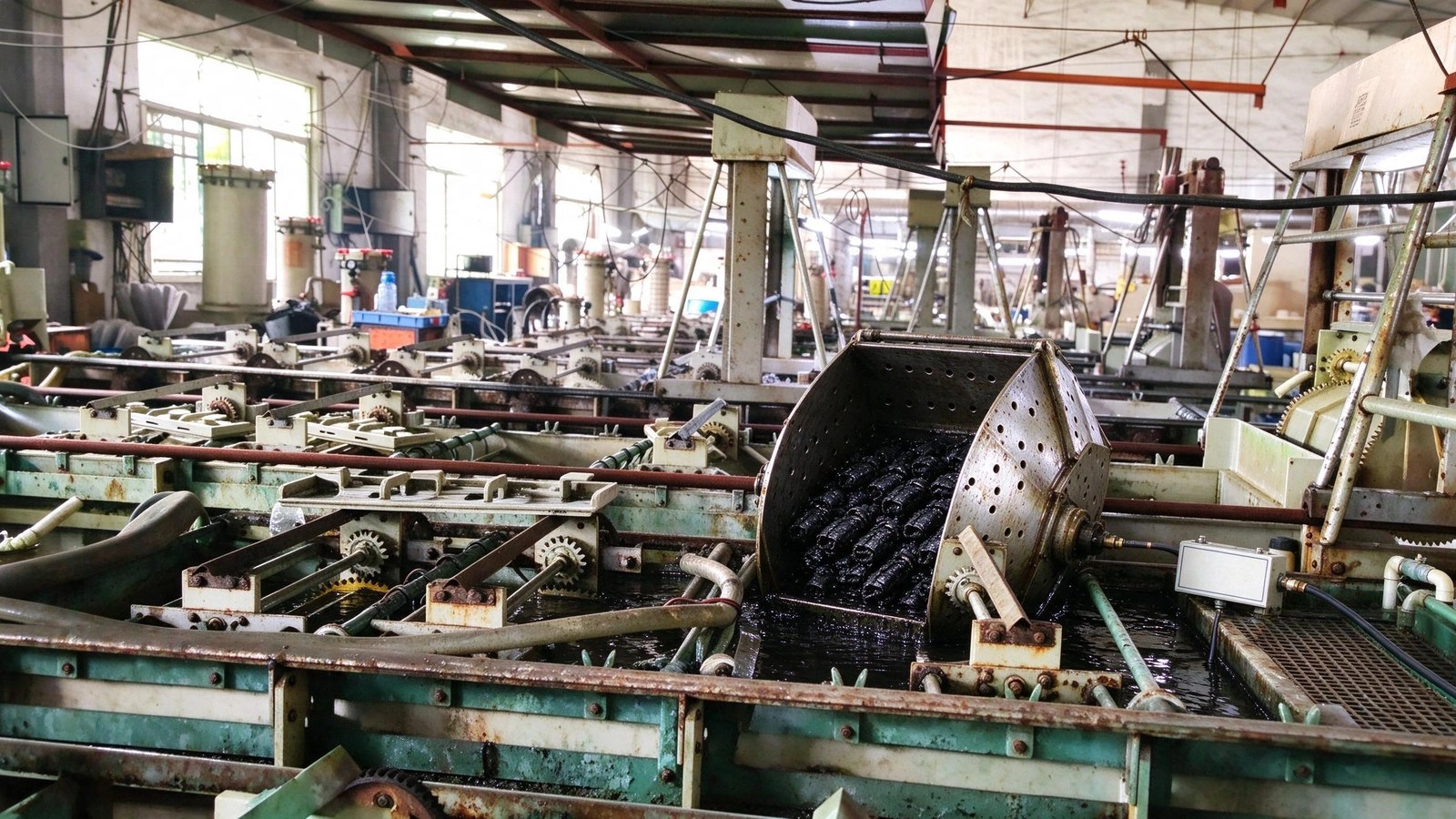
Rose gold = Au-Cu alloy (75–85% Au). Gun metal = black Ni-Sn. Antique = controlled oxidation over copper. Ratios are weighed, never eyeballed.
3Color Flash Plating
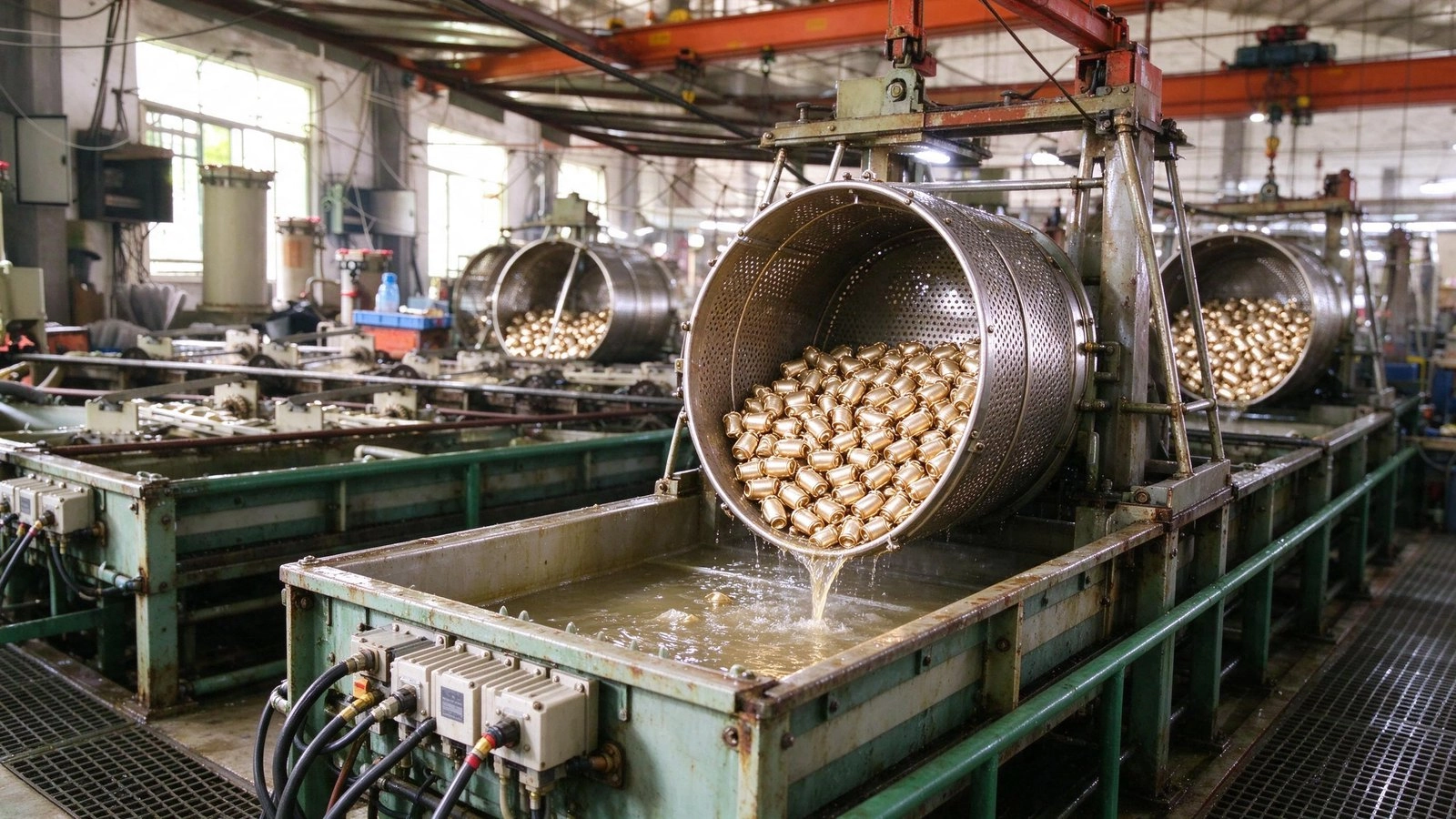
Short, precisely timed immersion. 10 seconds too long = one shade darker; too short = base shows through. Every color has its own window.
4Color Stabilization
Immediate rinse to freeze color development. Reactive colors get a stabilizer dip to lock the shade before drying.
5Protective Topcoat
Gold-family colors get clear e-coating or lacquer — without it, copper in the alloy tarnishes within months.
6Color QC
Spectrophotometer on every batch, compared to the master swatch under D65 light. Batch ships only at ΔE ≤ 1.0.
Color Systems Compared
Pick by look, durability and budget
| Color | Alloy System | Finish | Durability | Best For |
|---|---|---|---|---|
| Rose Gold | Au-Cu (75–85% Au) | Bright warm pink | High w/ topcoat | Fashion jewelry, luxury bags |
| Champagne | Au-Ag-Cu | Soft golden | High w/ topcoat | Watches, premium hardware |
| Black Nickel | Ni-Sn | Satin-black | Very high | Tactical, modern gear |
| Gun Metal | Ni-Sn alloy | Semi-bright grey | Very high | Sports equipment |
| Pearl Nickel | Microporous Ni | Satin pearl | High | Premium handbags |
| Antique Bronze | Cu-Sn + oxide | Aged matte | Medium (sealed) | Vintage furniture hardware |
| Antique Copper | Cu + oxide | Aged copper | Medium (sealed) | Retro designs |
| Matte Gold | Au matte | Non-glare gold | High | Minimalist luxury |
📌 Special Color Cheat Sheet
FAQ
Do special colors cost more?
Will rose gold tarnish?
Can you color-match our existing supplier parts?
MOQ for custom colors?
Get a Free Quote Today
Send us your samples or drawings — our engineers reply within 24 hours with pricing and technical advice.
Contact UsBarrel special colour: control points
| Variable | Effect | Control |
|---|---|---|
| Load size | Colour variation across the batch | Weigh in, do not estimate |
| Rotation | Uniformity of the thin colour film | Fixed program per part |
| Current density | Colour depth | Calculate from total area |
| Dwell time | Colour shade window is narrow | Timer, not judgement |
| Rinse | Staining after colour | Two-stage rinse, quick transfer |
FAQ
Why is barrel colour less even than rack colour?
Contact points change during rotation. Accepted range is wider - agree the tolerance with the customer up front.
Can we mix part numbers in one colour batch?
Only if the surface area and shape are similar. Mixed loads give mixed shades.