
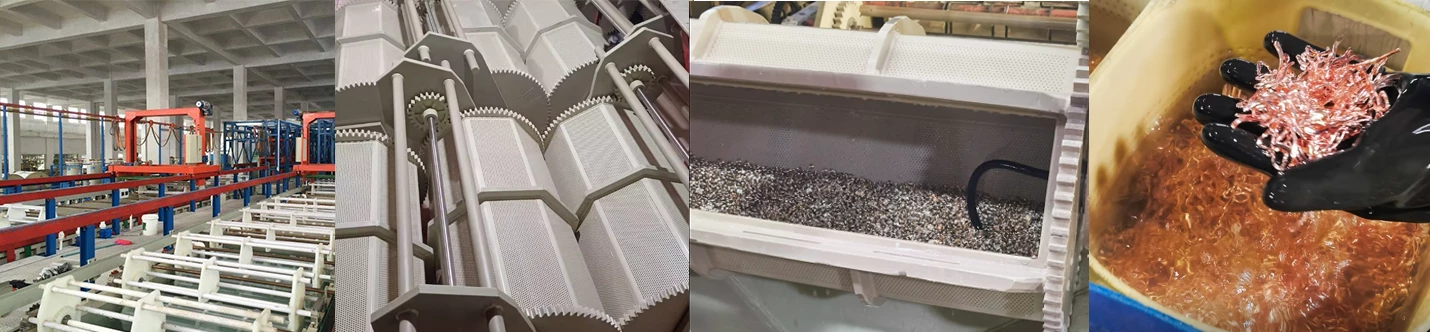
Barrel Alkaline Copper Strike — Adhesion Base for Zinc Alloy
Alkaline copper strike for mass-plated small parts. Essential base layer that bonds the plating system to zinc alloy. Cyanide or cyanide-free, pH 9-11, 40-55 °C, 0.5-1.5 A/dm².
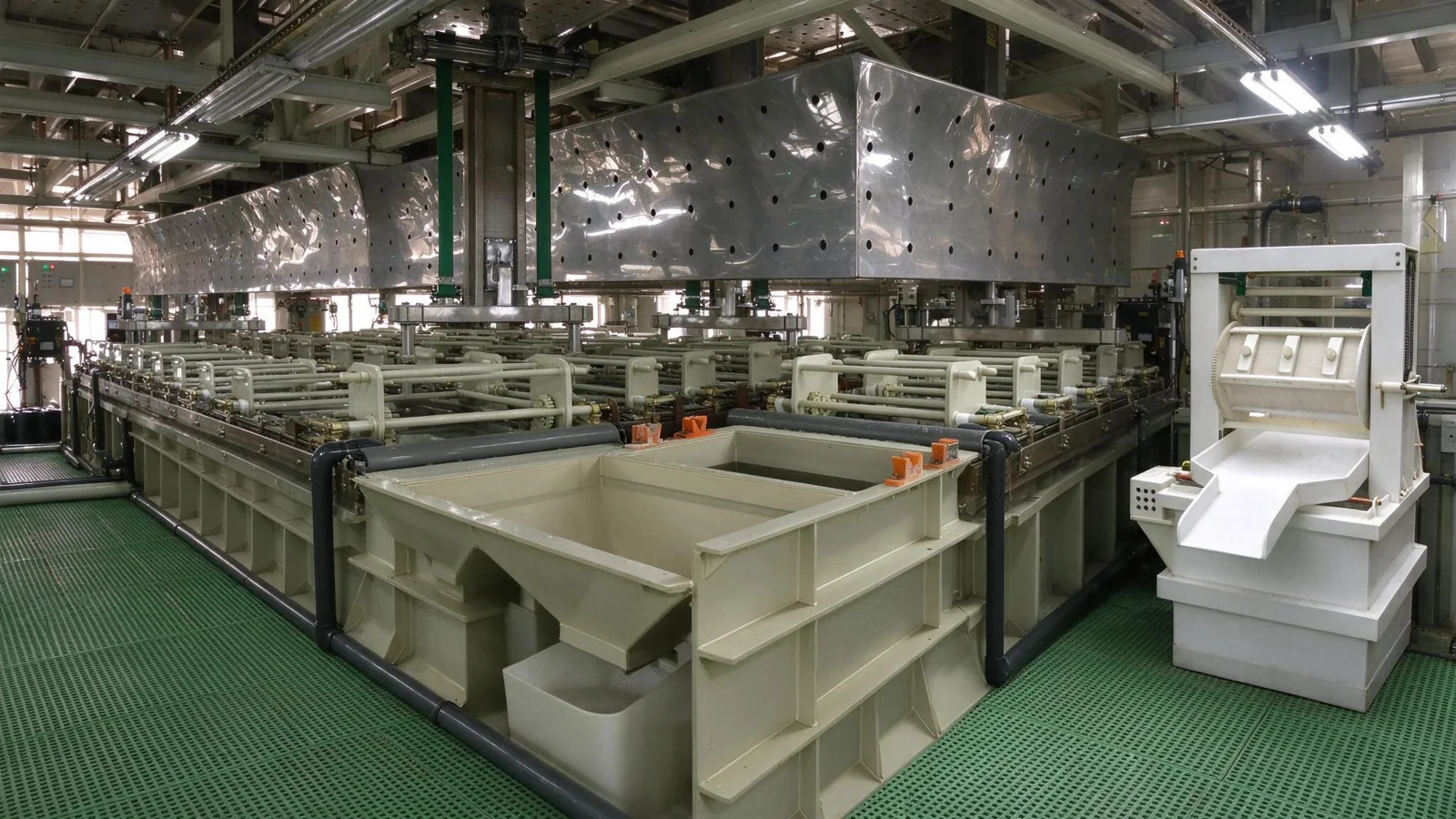
Why Barrel Alkaline Copper Strike
The critical first plating layer that makes every subsequent coat stick — every roll-processed small part needs it
Barrel vs Rack — Alkaline Copper Strike
How barrel strike parameters differ from rack for this critical base layer
| Parameter | Barrel Plating | Rack Plating |
|---|---|---|
| Current density | 0.5-1.5 A/dm² | 1.5-3 A/dm² |
| Voltage | 6-12 V | 3-6 V |
| Barrel rotation | 6-12 rpm | N/A |
| Plating time | 10-30 min | 5-15 min |
| Thickness per batch | 3-8 μm | 5-12 μm |
| Throwing power | Good (barrel rotates parts) | Excellent (direct current distribution) |
| Cost efficiency | Higher (mass processing) | Lower (per-part handling) |
Alkaline Copper Strike — Process Steps
The foundation layer that must be right before any further plating
1Solution Make-up & Control
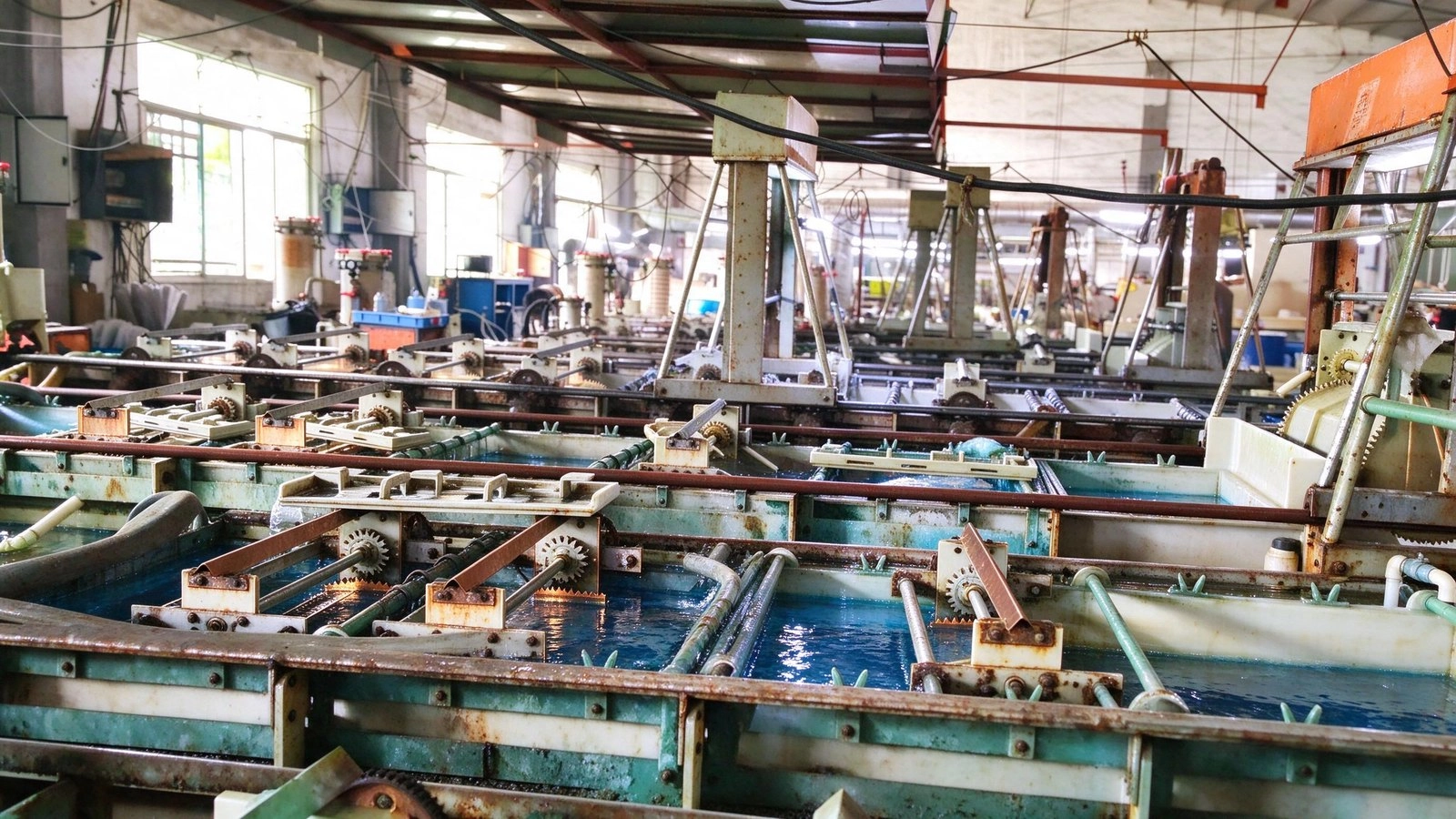
Cyanide-based or cyanide-free alkaline copper bath. Free cyanide controls anode dissolution and prevents precipitation. Maintain pH and temperature precisely.
2Barrel Loading & Immersion
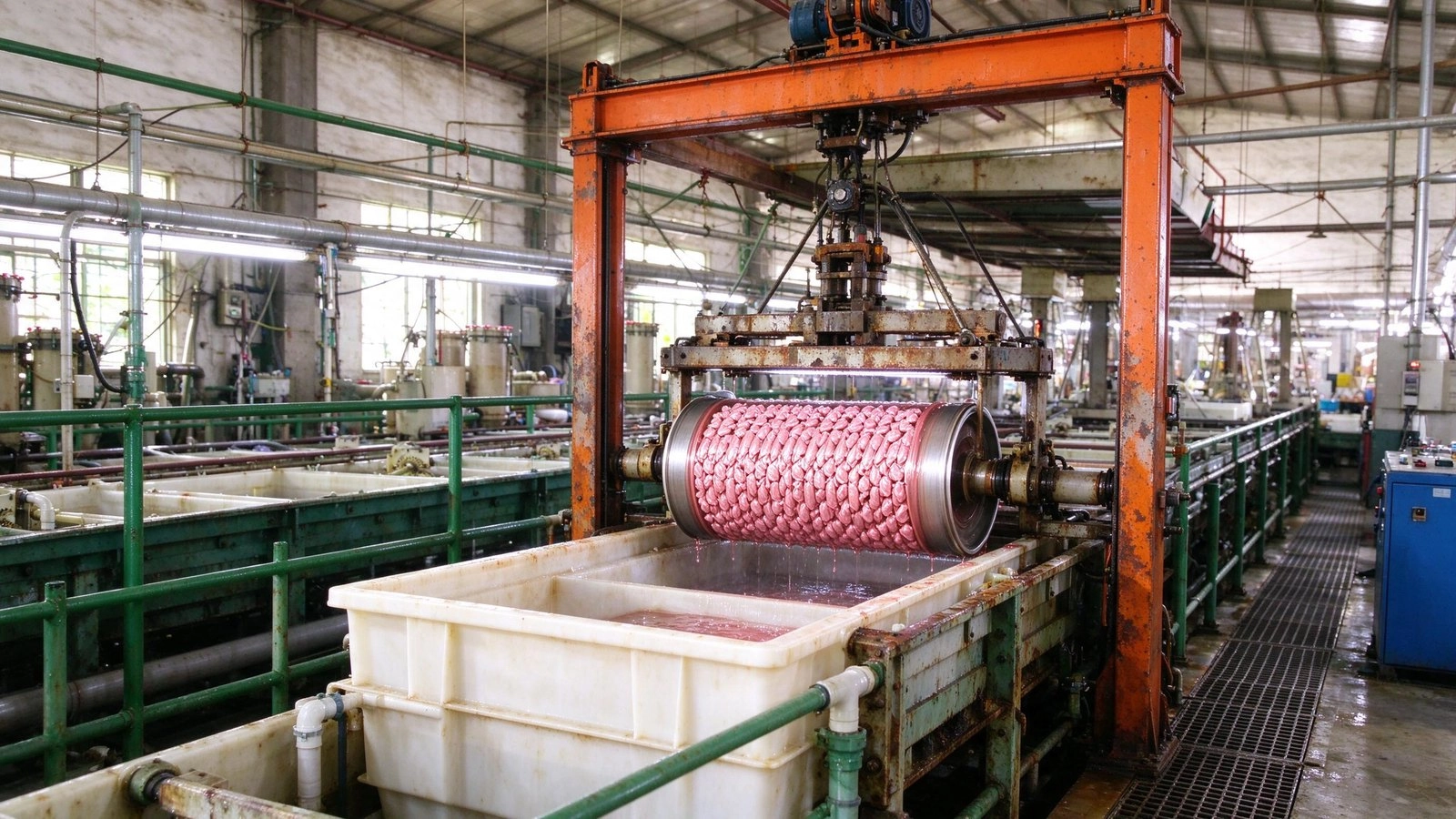
Load pretreated parts into the plating barrel. The barrel rotates at 6-12 rpm inside the copper bath, ensuring all surfaces contact fresh solution.
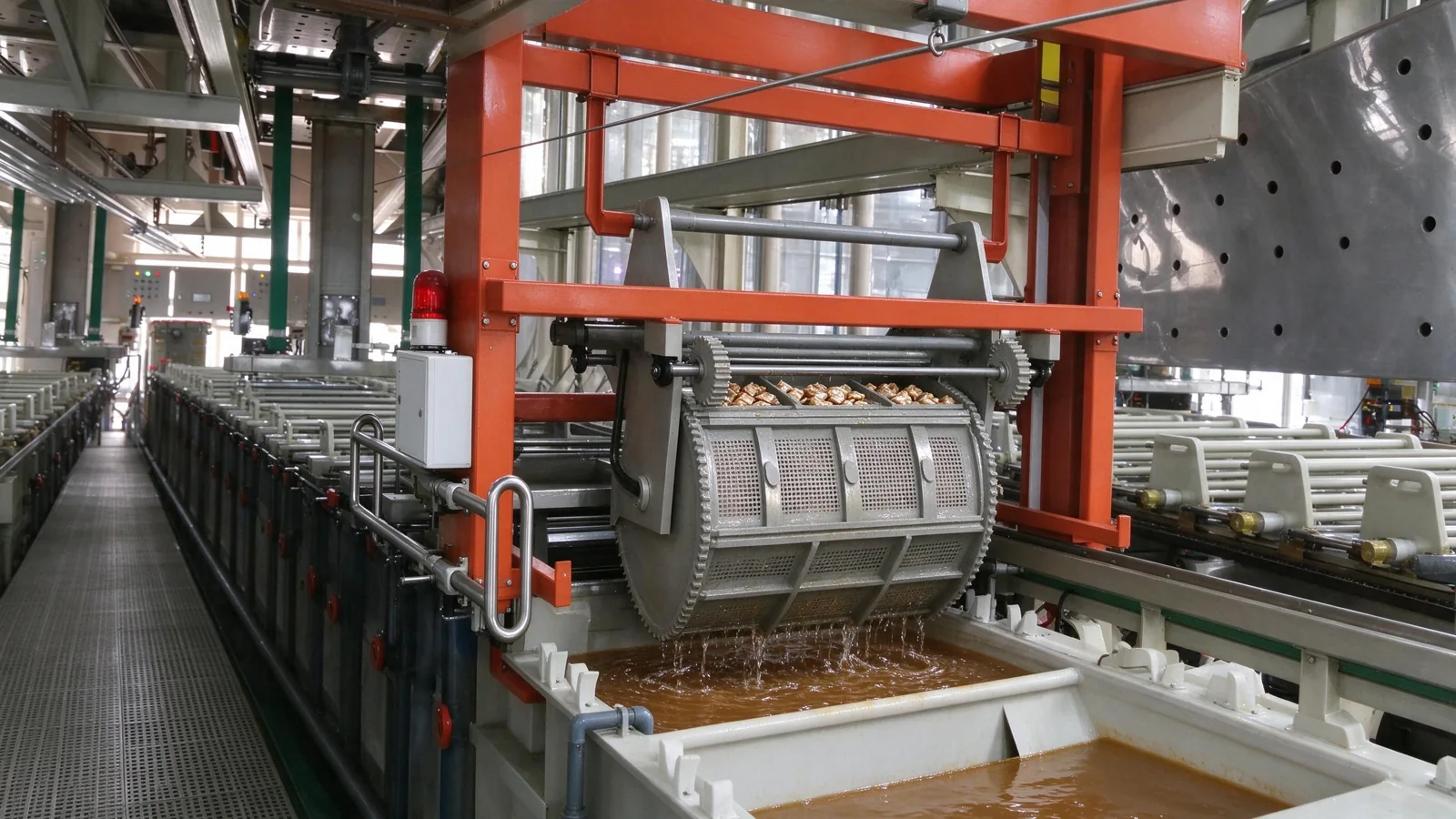
3Strike Plating
Apply current — start with a high-current 'strike' for 30-60 seconds to cover rapidly, then reduce to normal density. Barrel rotation ensures uniform distribution.
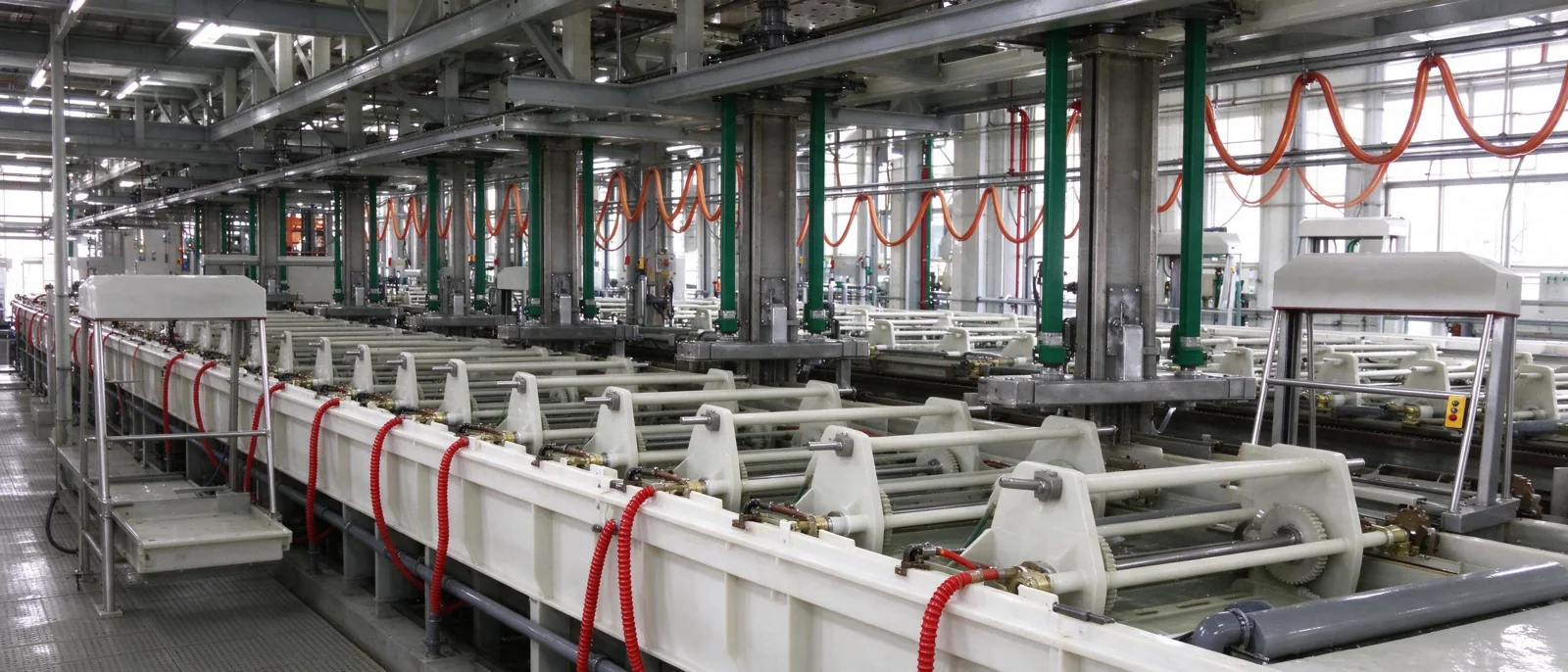
4Drag-out Recovery
Rinse the barrel over a drag-out recovery tank to capture copper-rich solution. This reduces chemical cost and environmental load.
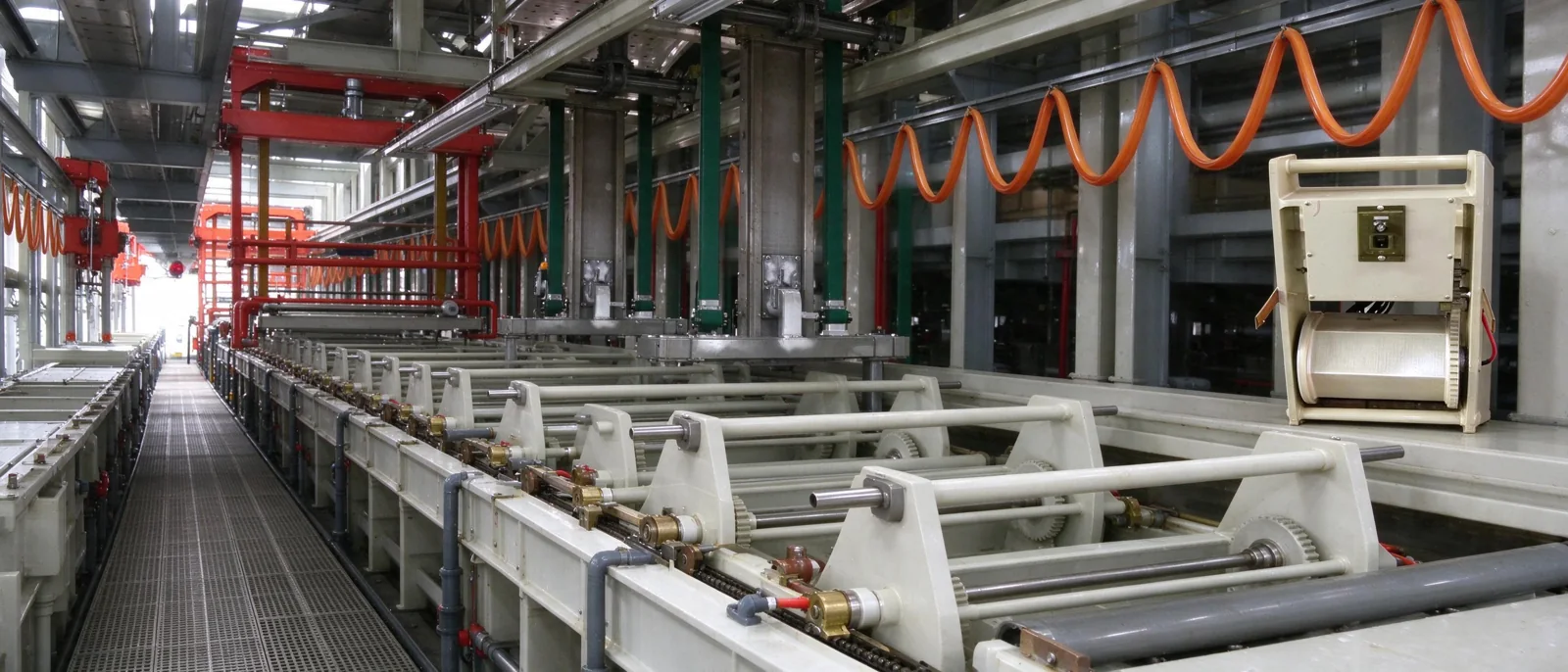
5Rinse & Transfer to Next Bath
Multi-stage rinse before acid copper. Only when barrel is fully rinsed does it move to the next bath — carry-over of alkaline solution into acid copper would cause bath contamination.
Copper Bath Comparison: Cyanide vs Cyanide-Free
Choose based on environmental compliance and substrate type
| Parameter | Cyanide Alkaline Cu | Cyanide-Free Alkaline Cu |
|---|---|---|
| Complexing agent | NaCN / KCN | Pyrophosphate / HEDP |
| Current density range | 0.5-1.5 A/dm² | 0.3-1.0 A/dm² |
| Throwing power | Excellent | Good |
| Zinc alloy compatibility | Excellent | Good (needs pre-strike) |
| Toxicity | High (requires treatment) | Low |
| Waste treatment cost | Higher (cyanide destruction) | Lower |
| Compliance | Requires special permits | REACH / RoHS ready |
| Operating cost | Lower chemical cost | Higher chemical cost |
📌 Alkaline Copper Strike Cheat Sheet
FAQ
Why is alkaline copper strike mandatory for zinc alloy?
Cyanide vs cyanide-free for barrel lines?
What happens if barrel rotation stops during plating?
Typical thickness for barrel alkaline copper?
Can I plate alkaline copper on steel in barrel?
Get a Free Quote Today
Send us your samples or drawings — our engineers reply within 24 hours with pricing and technical advice.
Contact UsAlkaline (cyanide) copper: operating window
| Parameter | Range | Effect |
|---|---|---|
| Cu metal | 8-12 g/L | Low = burning, high = rough deposit |
| Free cyanide | Per TDS ratio | Low = poor coverage, high = slow plating |
| Temperature | 40-55 C | Below 35 C gives dull, slow deposit |
| Current density | 1-3 A/dm2 | Higher burns on thin edges |
| Filtration | Continuous | Contamination causes pitting |
Cyanide baths need dedicated waste treatment and trained operators.
FAQ
Why is cyanide copper still used?
It plates directly on zinc alloy and steel with excellent adhesion. Acid copper cannot do that without a strike.
Can the bath be run without cyanide?
There are alkaline non-cyanide alternatives, but the process window is narrower and needs validation on your parts.