
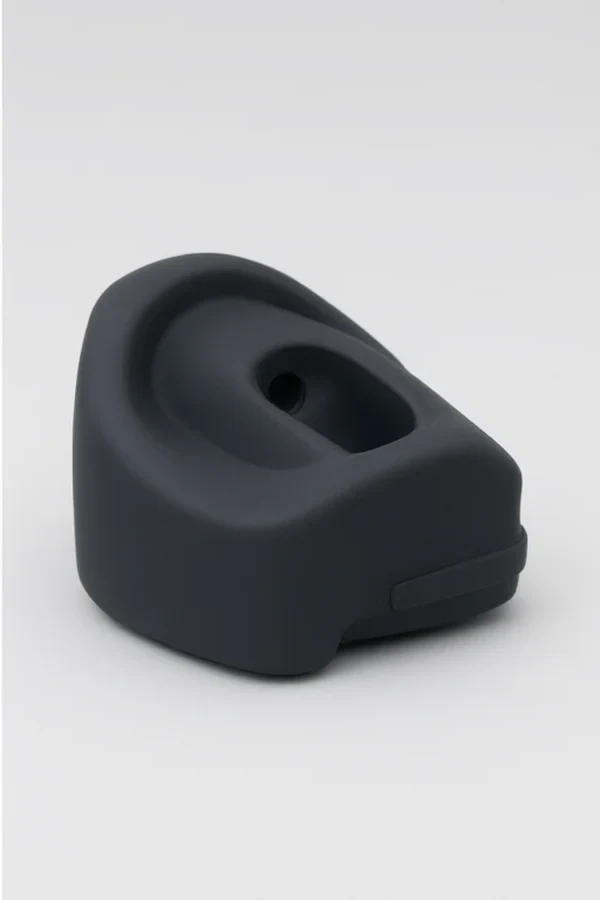
Tumble painting runs on the batch: load, preheat, spray cycles and cure. Junior technicians who follow the card keep small hardware coated evenly without sticking or blisters.
This guide is the junior-level standard for tumble painting zinc hardware.
Common Mistakes and How to Avoid Them
The pitfalls that show up most often in real projects, with the cause and the practical fix.
| Mistake | Why It Happens | Practical Fix |
|---|---|---|
| 1. Drum speed fixed | Coverage varies | Set per product |
| 2. Booth filters overdue | Specks in film | Change on schedule |
| 3. Cure profile stale | Seasonal drift | Re-profile per season |
| 4. Viscosity checked once | Batch colour drifts | Check per batch |
| 5. No batch retention | Disputes | Keep samples |
| 6. Drum cleaning skipped | Contamination | Clean per schedule |
| 7. Skipping the standard checklist | Steps skipped, quality varies | Follow the tumble painting checklist every time |
| 8. Guessing instead of asking | Faults compound silently | Ask the senior before guessing |
| 9. No shift log | History lost at hand-over | Log readings, actions and faults |
Best Practices That Hold Up in Production
The operating disciplines that separate a reliable line from a reactive one.
- Set drum speed per product
- Change booth filters
- Re-profile cure per season
- Keep retention samples
- Follow the standard checklist
- Log every shift and ask early
Implementation Roadmap
A practical sequence that can be adapted to your own project.
Process Flowchart
Junior tumble painting routine
A step-by-step sequence with notes and cautions so every shift follows the same order.
- Thin coats beat heavy ones.
- Metal temperature is the cure truth.
- Solvents are flammable - ventilation on.
- Drum movement needs guards.
Working Data & Formula Notes
Working data - junior tumble painting
Reference values from QLQ painting practice.
| Component / Parameter | Working Value / Role | What Changes Mean (annotation) |
|---|---|---|
| Load | Per drum card | Overload sticks parts and starves coverage. |
| Spray coats | Thin, multiple | Heavy coats sag, trap solvent. |
| Flash-off | Per TDS | Trapped solvent pops in cure. |
| Cure | Metal temperature | The film cures by metal heat. |
| Film | 15-30 um reference | Under-build fails coverage. |
Reference Data
Specifications and references cited in this guide. Confirm final parameters with your line supplier.
Batch QC
| Film build | First articles | Per spec |
| Sticking | Per batch | Load and cure check |
| Colour | Per batch | vs master |
| Solvent pop | Per batch | Flash and cure |
Implementation Cases
Case 1 - sticking sliders after every batch
Situation. Tumbled sliders stuck together in the drum.
Approach. The load was reduced per the card and flash-off held between coats.
Outcome. Sticking stopped.
Case 2 - blisters from a short flash
Situation. Solvent pop appeared after cure on one shift.
Approach. Flash-off was restored to the TDS window.
Outcome. Blisters stopped.
Frequently Asked Questions
How full should the drum be?
Per the drum card. Overload sticks parts and starves coverage.
Why thin coats?
Thin coats flash and cure cleanly. Heavy coats sag and trap solvent.
What is flash-off?
The wait between coats that lets solvent leave the film. Skipping it pops in cure.
How do I cure correctly?
By metal temperature per the paint TDS. Air temperature misleads on full drums.
What film should I run?
15-30 um is the common reference for hardware. Confirm the spec.
Why do parts stick?
Overload, heavy coats or missed flash. Check all three.
How do I prevent contamination?
Clean the drum on schedule and keep the booth clean.
What do I log?
Load, spray cycles, flash, cure profile and QC results.
What Would You Like to Solve?
Load per the card, spray thin, flash and cure by metal temperature. The junior who follows the batch keeps the drum predictable.
Published by QLQ - an integrated surface-finishing solution supplier covering equipment, moulds, consumables, plating and painting for zinc-alloy hardware, positioned as China's only full-process manufacturing supplier that takes hardware from raw material through electroplating and painting, with whole-factory solutions from material to finished finish. Values cited are project references; confirm with your line supplier before specification.
FAQ - Tumble Painting Basics for Junior Technicians: Load, Spray Cycle and C
Straight answers from the shop floor. Ask us on WhatsApp if your case is different.