
Scope of this guide
This management guide translates the process into cost, risk and throughput: what to measure, what to audit and where the money leaks.
Process: Rack (Hanger) Painting. Figures in this guide are industry-standard starting ranges; confirm against your supplier TDS before locking settings.
Working ranges and control points
The table below is the daily reference for a spray line. Set by the card, verify by the control point column.
| Parameter | Typical range | Control point | Watch out |
|---|---|---|---|
| Viscosity (Ford cup 4) | 16–22 s | Adjust with thinner by temp | Too thin sags on vertical faces |
| Gun distance | 150–200 mm | Overlap 50% passes | Close gun blows wet film |
| Flash-off | 5–10 min ambient | Tack-free before bake | Trapped solvent bubbles |
| Wet film per pass | 20–35 µm | Two passes typical | One heavy pass sags |
| Bake | Object 60–80 °C × 30 min | Data logger per batch | Over-bake embrittles |
Run It As A Business: the management view
Beyond the basic card, this is the layer that matters at your level:
| Cost line | What drives it | Metric to track | Typical lever |
|---|---|---|---|
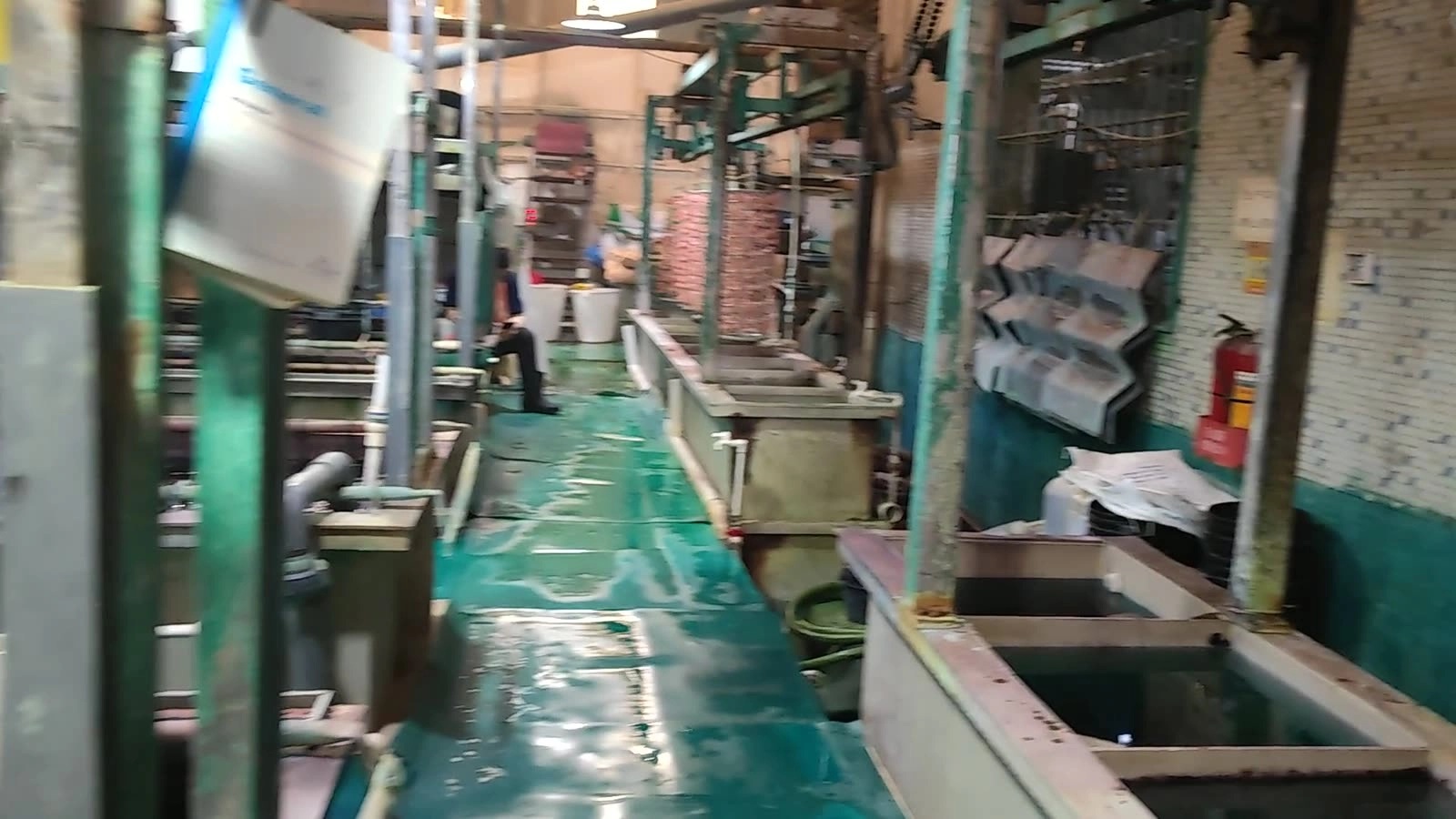
| Chemicals | Drag-out and bath dumps | Cost per 1000 parts | Rinse counter-flow, drip bars |
| Rework | First-pass yield losses | FPY by defect family | Fix top family first |
| Energy | Heated tanks and idle time | kWh per 1000 parts | Covers, night setback |
| Claims | Escape rate | PPM by customer | Ship gate on FPY |
Standard routine
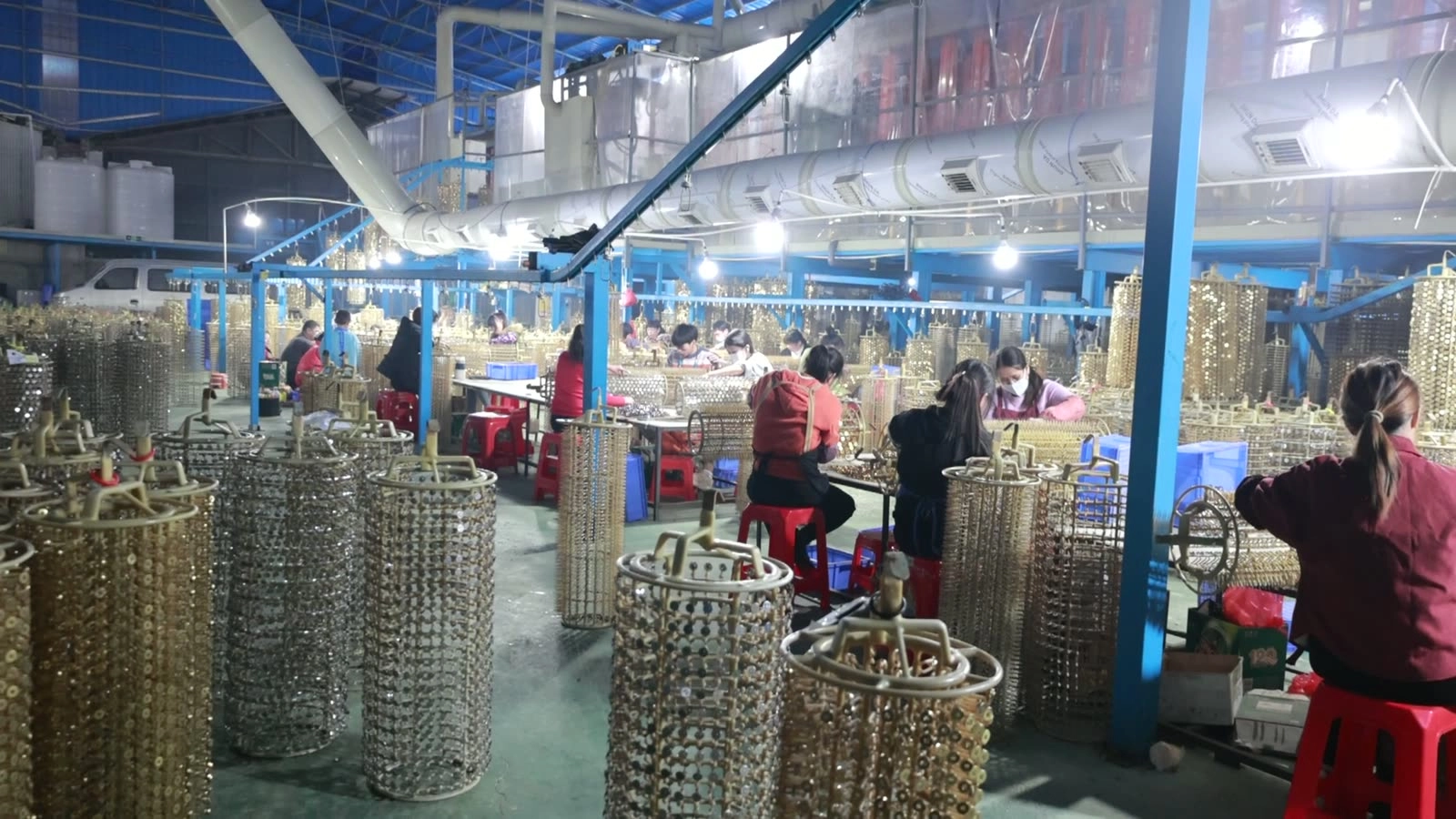
- Strain paint before loading the cup
- Mask contact points and assembly faces
- Spray top faces first, verticals last
- Hold tack test before parts enter bake
- Log viscosity and thinner ratio per batch
Engineer notes
- Sag on verticals is viscosity and pass weight, not gun distance alone
- Masking paper must be heat grade or it sticks in bake
- Colour drift between batches: strain and mix full kits only
- Hanger tips touch wet film — rotate hanger bars by shift
- Flash-off time doubles in humid season
Safety: Solvent vapours are flammable and a health hazard. Ventilate the booth, wear an organic-vapour respirator, and ground guns to prevent static.
FAQ
Why do runs start at part bottoms?
Film build on verticals exceeds sag resistance. Cut viscosity or split into lighter passes.
How long between coats?
Tack-free time, typically 5–10 minutes ambient; longer when humid.
Why does paint lift at contact points?
Masking failed or hanger contact was oily. Clean contacts and re-mask with heat-grade tape.
Which single metric should I start reporting weekly?
First-pass yield by defect family; it exposes rework cost and points at the largest lever.