
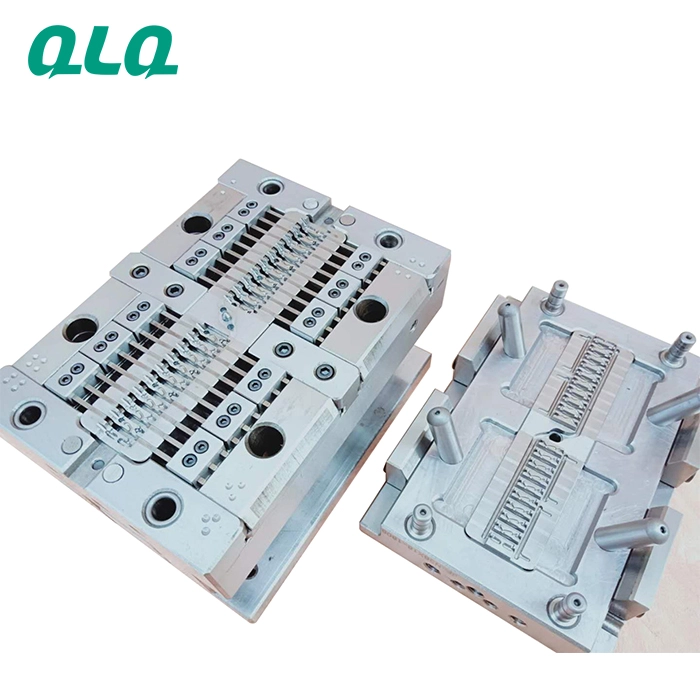
Mould Life Economics: Repair, Re-Cut or Replace Decisions.
A working reference designed to be printed and used at the line. It complements the failure case studies in the Technician Hub with the standard documents those cases eventually produced.

Common Mistakes and How to Avoid Them
| Mistake | Why It Happens | Practical Fix |
|---|---|---|
| 1. Cleaning cavities with metal tools | Scratches copy into every shot | Brass/copper tools and proper solvents only |
| 2. No shot counter | Maintenance timing becomes guesswork | Counter log per mould; act at set thresholds |
Best Practices
- Brass tool kit at the press
- Shot counter threshold alerts
- Mould storage register with dates
Mould Change Care
- Clean cavities - Brass tools, proper solvent (No metal scrapers)
- Log shot count - Against threshold (Missed logs hide due dates)
- Coat and store - Boxed and dated (Bare storage rusts cavities)
Register per mould | Threshold alerts to setter
Mould Care Reference
Care points for slider moulds in production.
| Parameter | Reference | Why It Matters |
|---|---|---|
| Cavity cleaning | Every mould change | Residue copies into shots |
| Release agent | Thin, even, logged | Heavy coats build residue |
| Shot counter threshold | Per mould history | Act before wear shows in parts |
| Storage | Coated, boxed, dated | Prevents corrosion damage |
Shot counters ended surprise mould failures
Scenario. Moulds were serviced after failures, not before.
Action. Per-mould shot counter logs with threshold alerts.
Result. Maintenance moved to planned stops; cavity wear defects fell.
Frequently Asked Questions
Why no metal tools in cavities?
Scratches copy into every shot until polished out. Brass tools and solvents only.
What is a shot counter threshold?
The shot count at which history says maintenance is due set per mould, not per calendar.
How should moulds be stored?
Coated, boxed and dated. Bare storage corrodes cavities and costs the first production run.
Implementation Roadmap
| Step | Frequency |
|---|---|
| Cavity care live | Every change |
| Shot counter logs live | Week 1 |
| Life economics model | Month 1 |
What Would You Like to Solve?
If you would like this checklist or template adapted to your own line and part mix, contact QLQ we supply the full equipment and chemistry package along with the working documents that make it run.
FAQ - Mould Life Economics: Repair, Re-Cut or Replace Decisions
Straight answers from the shop floor. Ask us on WhatsApp if your case is different.