
Scope of this guide
This senior guide covers the hard cases: combined variables, boundary conditions and the judgement calls that separate consistent lines from lucky ones.
Process: Polishing. Figures in this guide are industry-standard starting ranges; confirm against your supplier TDS before locking settings.
Working ranges and control points
The table below is the daily reference for a polishing bench. Set by the card, verify by the control point column.
| Operation / wheel | Typical setting | Acceptance window | Watch out |
|---|---|---|---|
| Cut pass, sisal 300 mm | 1800–2200 RPM | Gloss units +30 vs raw | Edge burn on thin zinc |
| Colour pass, cloth 300 mm | 1300–1800 RPM | No visible wheel marks | Wheel grab at high pressure |
| Finish pass, muslin 250 mm | 1400–1800 RPM | Gloss stable across batch | Glazed wheel smears compound |
| Cool-down between passes | 5 s on bench | Part hand-warm max | Heat darkens zinc edges |
Push The Boundary: the senior view
Beyond the basic card, this is the layer that matters at your level:
| Hard case | Why it is hard | Method | Data to keep |
|---|---|---|---|
| Mixed-alloy loads | Different windows collide | Split by family or map positions | Per-family thickness trend |
| Seasonal humidity swings | Flash and dry times move | Season-set viscosities | Monthly setting log |
| Recesses at spec limit | Throwing power ceiling | Auxiliary anode trials | Before/after thickness maps |
| Repeat claim from one customer | Use conditions differ | Reproduce their test | Claim-vs-lab correlation |
Standard routine
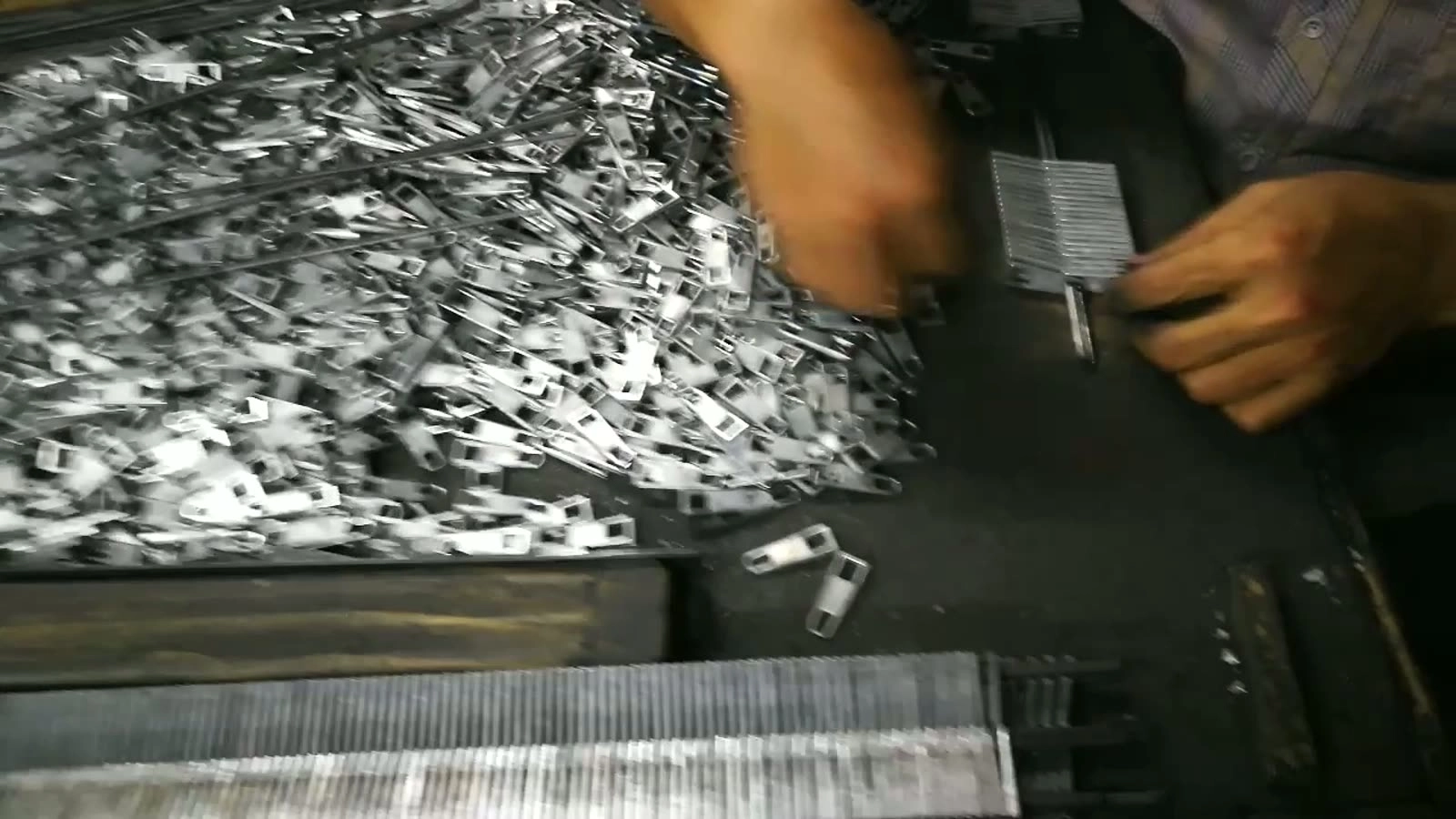
- Confirm wheel label RPM against spindle speed
- Dress the wheel true before loading compound
- Load compound in short touches while running
- Run one scrap piece of the same alloy first
- Log wheel, RPM and compound on the job card
Engineer notes
- Recalculate RPM when changing wheel diameter — never copy settings across benches
- Keep 5 s cool-down between passes on zinc diecast edges
- A glazed wheel needs re-dressing, not more compound
- Vibration in the handle becomes witness lines on the part — check bearings first
- Grease-based compounds cut cooler in summer shop heat
Safety: Loose clothing and gloves near a rotating wheel are a caught-in hazard. Use guards and a face shield; stop the spindle before changing wheels.
FAQ
How do I know wheel pressure is too high?
The motor note drops or the part heats within five seconds. Back off and let the wheel speed do the cut.
Why does gloss vary across one batch?
Wheel glazing and compound loading drift during the run. Re-dress the wheel and keep touch intervals constant.
When should I change instead of re-dress a wheel?
When the face is worn past the labelled minimum diameter or dressing cannot remove loading.
How do I train juniors on this judgement?
Have them log the variable they changed and the measured result; review the log weekly against line outcomes.