
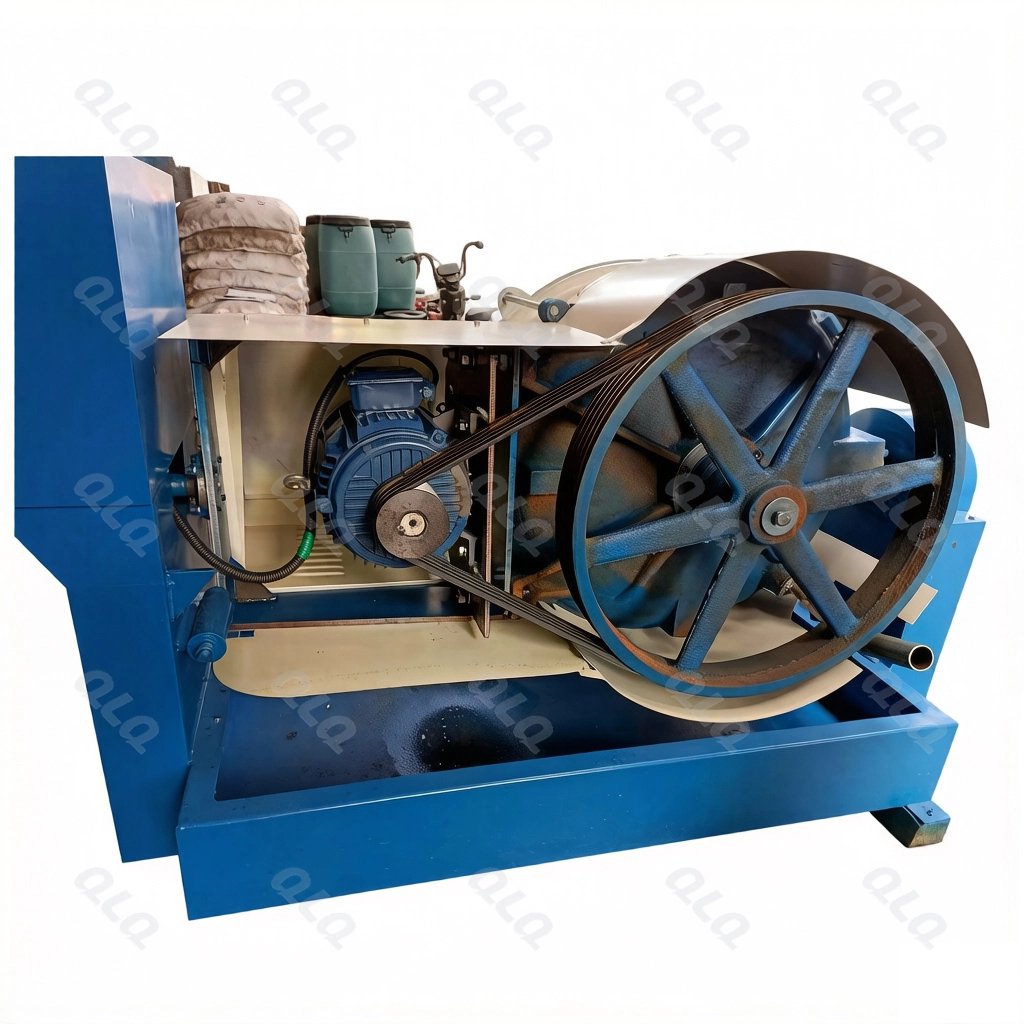
Zinc alloy burns at temperatures that would not mark steel. A brown or blue heat tint after polishing means the surface structure has changed and plating will reject.
This intermediate guide gives the heat windows, dwell-time rules and surface checks that prevent burn before it reaches the plating line.
Common Mistakes and How to Avoid Them
The pitfalls that show up most often in real projects, with the cause and the practical fix.
| Mistake | Why It Happens | Practical Fix |
|---|---|---|
| 1. Long dwell in one spot | Heat builds and burns | Keep passes under 3 s |
| 2. High speed small wheel | Peripheral speed over window | Recalculate per wheel size |
| 3. Worn belt still used | Friction heat rises | Change belt on schedule |
| 4. No cooling air | Heat trapped in the part | Use air flow across the work |
| 5. Compound baked on | Brown film that fails plating | Reduce compound, clean earlier |
| 6. Burn checked only visually | Early tint missed in poor light | Hand test every few parts |
| 7. Speed locked wrong | Same burn all shift | Verify speed per wheel diameter |
| 8. Hot parts stacked | Heat soaks between parts | Cool racks between passes |
Best Practices That Hold Up in Production
The operating disciplines that separate a reliable line from a reactive one.
- Keep pass time under 3 seconds per area
- Hold peripheral speed in the 30-38 m/s window
- Check part temperature by hand every few pieces
- Use air flow to remove friction heat
- Stop immediately on any brown tint
Implementation Roadmap
A practical sequence that can be adapted to your own project.
Process Flowchart
Burn prevention flow
A step-by-step sequence with notes and cautions so every shift follows the same order.
- Zinc burns below the temperature that marks steel.
- Air flow across the work removes friction heat.
- Never cool a hot zinc part in water - it can distort.
- Burned parts need re-polish, not plating.
Working Data & Formula Notes
Heat control data
Reference values for zinc alloy polishing.
| Component / Parameter | Working Value / Role | What Changes Mean (annotation) |
|---|---|---|
| Surface temperature | Below 100 C | Above, tint and structure change |
| Pass dwell | Under 3 s per area | Longer dwell concentrates heat |
| Peripheral speed | 30-38 m/s | Above window, friction burns |
| Air flow | Light across work | Removes heat, prevents soak |
Reference Data
Specifications and references cited in this guide. Confirm final parameters with your line supplier.
Burn signs and action
| Sign | Cause | Action |
| Brown tint | Heat build-up | Stop, cool, re-set window |
| Blue tint | Severe overheating | Re-polish part, check speed |
| Baked compound | Over-application + heat | Reduce compound, dress wheel |
| Warped thin part | Dwell + pressure | Short passes, lighter touch |
Implementation Cases
Case 1 - brown tint batch that rejected at nickel
Situation. A hardware plant ran a batch of thin frames through one buffing machine; every part showed a faint brown tint that only plating made obvious.
Approach. Pass time was cut below 3 seconds, air flow was added, and operators began a hand temperature test every few parts.
Outcome. Tint disappeared and the next plating batch passed without burn rejects.
Case 2 - small wheel overspeed burning corners
Situation. A 150 mm wheel was run at 5000 RPM, pushing peripheral speed near 39 m/s; corners burned on the first parts.
Approach. RPM was recalculated to hold 35 m/s and the machine speed lock was changed; the wheel diameter was marked on the machine card.
Outcome. Corner burn stopped and the same machine produced clean parts all shift.
Frequently Asked Questions
Why does zinc burn so easily?
Zinc alloys soften and tint at temperatures far below steel because of their low melting range.
What is a safe surface temperature?
Keep the surface below about 100 C; above that you risk tint and structural change.
How long can I hold on one area?
Under 3 seconds per pass; longer dwell concentrates heat.
What causes blue tint?
Severe overheating, usually overspeed plus dwell; the part must be re-polished.
Can I cool a hot zinc part in water?
No - fast cooling can distort thin zinc parts; use air and time.
How do I check heat during work?
A quick hand test a few seconds after the pass, plus visual tint checks in good light.
Does compound cause burn?
Over-applied compound bakes on with heat and leaves a brown film that fails plating.
Why recalculate speed per wheel?
Peripheral speed depends on wheel diameter; the same RPM is faster on a bigger wheel.
What do I do with a burned batch?
Stop the machine, re-set the window, and re-polish the affected parts before plating.
What Would You Like to Solve?
Tell us your wheel diameter, RPM, pass time and the tint you are seeing. We can compute the correct window and the checks to put on the shift card.
Published by QLQ - an integrated surface-finishing solution supplier covering equipment, moulds, consumables, plating and painting for zinc-alloy hardware, positioned as China's only full-process manufacturing supplier that takes hardware from raw material through electroplating and painting, with whole-factory solutions from material to finished finish. Values cited are project references; confirm with your line supplier before specification.