
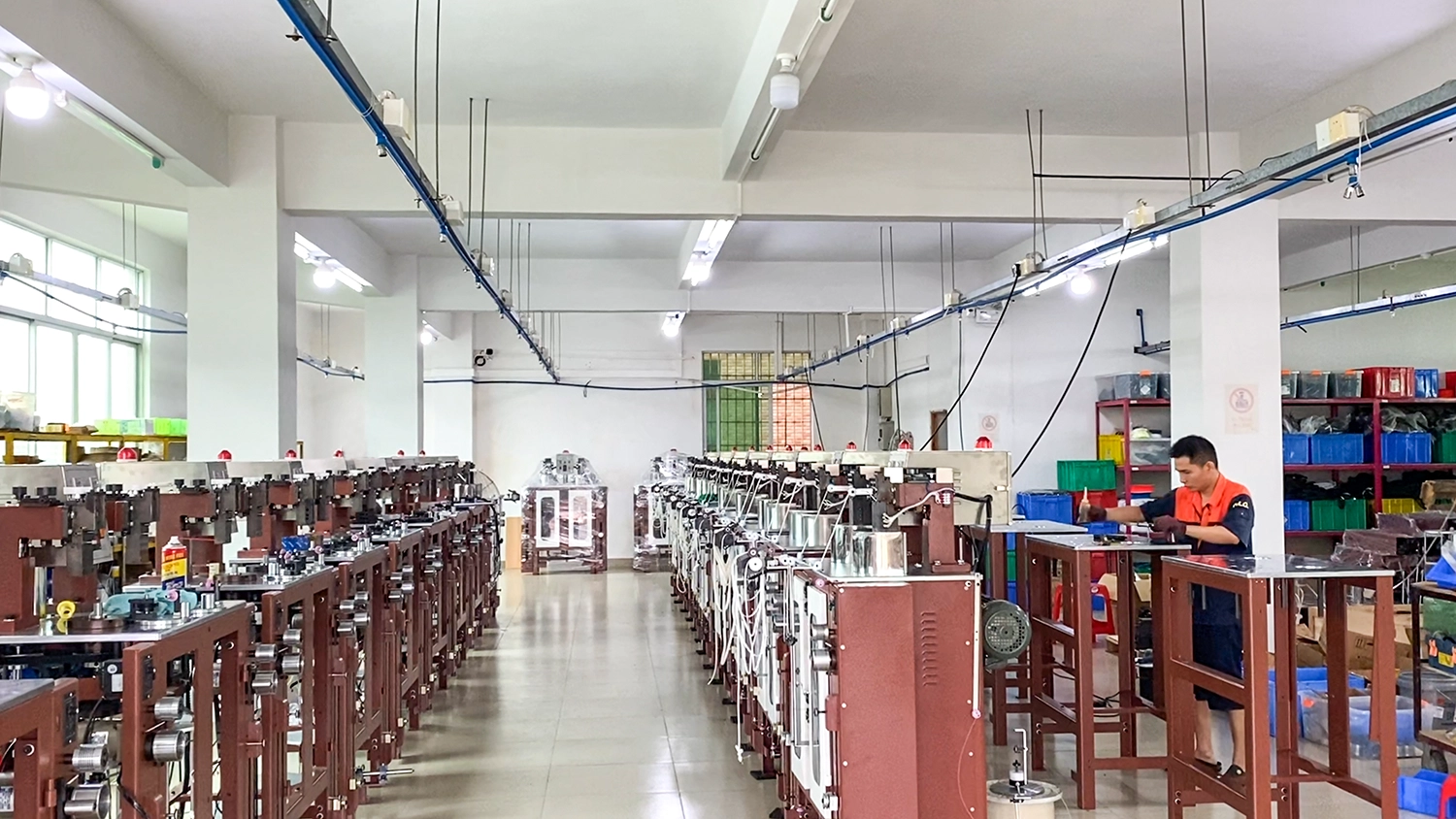
Equipment reliability starts with the daily walk: checks, lubrication and the log that catches small faults before they stop the line.
This guide is the junior-level standard for equipment care.
Common Mistakes and How to Avoid Them
The pitfalls that show up most often in real projects, with the cause and the practical fix.
| Mistake | Why It Happens | Practical Fix |
|---|---|---|
| 1. Lubrication skipped | Wear accelerates | Follow the schedule |
| 2. Spare parts missing | Stops stretch | Plan by risk |
| 3. Sensor drift ignored | Bath out of window | Calibrate monthly |
| 4. Electrical checks by untrained staff | Risk | Trained staff only |
| 5. No stop data | Nothing to manage | Track stops |
| 6. Maintenance deferred | Costs more | Follow the plan |
| 7. Skipping the standard checklist | Steps skipped, quality varies | Follow the equipment care checklist every time |
| 8. Guessing instead of asking | Faults compound silently | Ask the senior before guessing |
| 9. No shift log | History lost at hand-over | Log readings, actions and faults |
Best Practices That Hold Up in Production
The operating disciplines that separate a reliable line from a reactive one.
- Follow the lubrication schedule
- Plan spares by risk
- Track stop data
- Calibrate instruments monthly
- Follow the standard checklist
- Log every shift and ask early
Implementation Roadmap
A practical sequence that can be adapted to your own project.
Process Flowchart
Junior equipment routine
A step-by-step sequence with notes and cautions so every shift follows the same order.
- Fifteen minutes of checks saves hours of rejects.
- The log is the equipment memory.
- Only trained staff touch electrical systems.
- Lockout before maintenance.
Working Data & Formula Notes
Working data - junior equipment checks
Reference values for finishing line equipment.
| Component / Parameter | Working Value / Role | What Changes Mean (annotation) |
|---|---|---|
| Air pressure | 0.5-0.7 MPa | Tools and guns follow it. |
| Filter pressure | Daily read | Change on rise. |
| Lubrication | Per schedule | Wear follows neglect. |
| Safety devices | Daily | Non-negotiable. |
| Log | Daily | The memory. |
Reference Data
Specifications and references cited in this guide. Confirm final parameters with your line supplier.
Daily equipment list
| Safety | Daily | Guards and E-stops |
| Utilities | Daily | Air and power |
| Tanks and pumps | Daily | Noise, leaks, flow |
| Filters | Daily | Pressure gauges |
| Log | Daily | Signed card |
Implementation Cases
Case 1 - a heater caught by the log
Situation. A heater recovery time crept for days.
Approach. The daily log showed the trend; it was serviced.
Outcome. The shift was saved.
Case 2 - a pump flagged early
Situation. A pump began cavitating.
Approach. The junior logged and escalated; suction was fixed.
Outcome. The pump survived.
Frequently Asked Questions
What should I check daily?
Safety, utilities, tanks, pumps and filter gauges - in a fixed order, logged.
Why log?
The log catches trends that a glance misses.
Why read filter pressure?
It is the filter asking for a change.
Why flag pump noise?
Cavitation wears the pump. Early flagging saves it.
Why check safety devices?
They protect people and the line.
Who should do the walk?
A trained technician, rotated to avoid blind spots.
What air pressure?
0.5-0.7 MPa reference.
When do I escalate?
As soon as a reading moves off baseline.
What Would You Like to Solve?
Walk the list, log the numbers and flag early. The junior who cares for the equipment protects the line.
Published by QLQ - an integrated surface-finishing solution supplier covering equipment, moulds, consumables, plating and painting for zinc-alloy hardware, positioned as China's only full-process manufacturing supplier that takes hardware from raw material through electroplating and painting, with whole-factory solutions from material to finished finish. Values cited are project references; confirm with your line supplier before specification.