
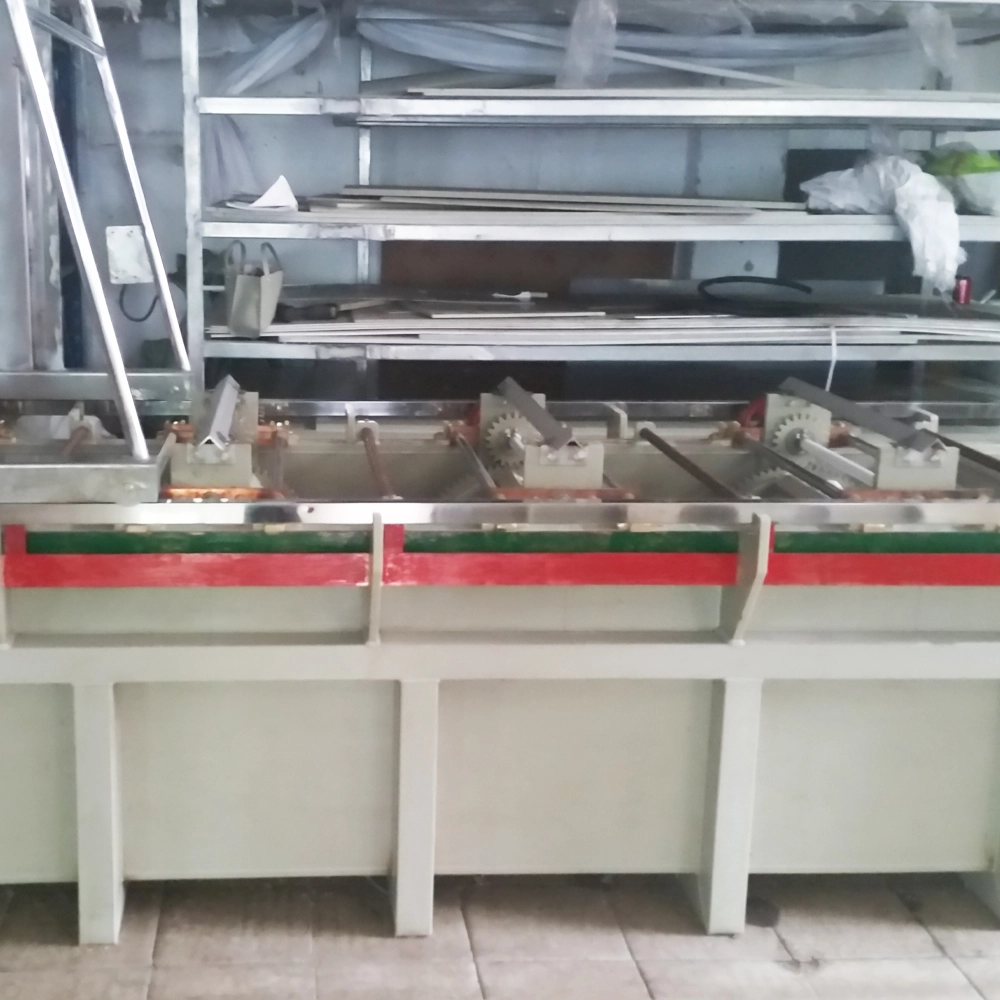
Barrel plating yield is decided before the barrel starts: the load plan, the ampere-hour discipline and the cost per load. Managers who run these numbers beat firefighting.
This management guide covers yield measurement, load planning, cost per load and the weekly review that keeps the department on target.
Common Mistakes and How to Avoid Them
The pitfalls that show up most often in real projects, with the cause and the practical fix.
| Mistake | Why It Happens | Practical Fix |
|---|---|---|
| 1. Yield never measured | Rejects invisible in numbers | Track per week |
| 2. Loads planned by feel | Barrels mismatch baths | Plan by rating and bath |
| 3. Cost per load ignored | Waste hides | Log cost per batch |
| 4. AH not governed | Bath drift and rejects | Dose by consumption |
| 5. Rework counted as yield | Real cost hidden | Count first-pass only |
| 6. Weekly review skipped | Trends missed | Fixed review slot |
| 7. No target per line | Improvement unmeasurable | Set yield targets |
| 8. Team not briefed | Numbers stay in the office | Share the weekly numbers |
Best Practices That Hold Up in Production
The operating disciplines that separate a reliable line from a reactive one.
- Measure first-pass yield per line
- Plan loads by barrel rating and bath capacity
- Track cost per load in the batch log
- Govern ampere-hours and dosing together
- Hold a fixed weekly review
Implementation Roadmap
A practical sequence that can be adapted to your own project.
Process Flowchart
Yield governance flow
A step-by-step sequence with notes and cautions so every shift follows the same order.
- First-pass yield excludes rework.
- Cost per load makes waste visible.
- Do not count reworked loads as yield.
- Share numbers or the team cannot improve.
Working Data & Formula Notes
Yield data
Reference calculations for barrel department management.
| Component / Parameter | Working Value / Role | What Changes Mean (annotation) |
|---|---|---|
| Yield | Good first-pass loads / total | Rework hides real cost |
| Cost per load | Total cost / loads | Batch log feeds the number |
| Load plan | Per barrel rating | Overload burns yield |
| Review | Weekly | Trend drives targets |
Reference Data
Specifications and references cited in this guide. Confirm final parameters with your line supplier.
Weekly yield card
| Line | Loads | First-pass | Yield % | Cost/load |
| Barrel 1 | Logged | Logged | Logged | Logged |
| Barrel 2 | Logged | Logged | Logged | Logged |
| Target | - | - | Set | Set |
Implementation Cases
Case 1 - yield that looked fine until rework was separated
Situation. A department reported 95% yield, but reworked loads were counted as good; first-pass yield was actually 78%.
Approach. Yield was redefined as first-pass only, and the batch log started tracking rework separately.
Outcome. The real number exposed the top defect, which was fixed; first-pass yield rose to 88% within two months.
Case 2 - load planning that mismatched the bath
Situation. Loads were planned by sales order size, so some barrels ran above rating while the bath sat under-loaded.
Approach. Load planning moved to barrel rating and bath capacity, with a daily load plan board.
Outcome. Barrel performance stabilised and ampere-hour governance became possible because loads were consistent.
Frequently Asked Questions
What is first-pass yield?
The share of loads that pass on the first run, excluding rework.
Why exclude rework?
Rework consumes capacity and chemistry; counting it hides the real cost.
How do I plan loads?
By barrel rating, part type and bath capacity, not by order size alone.
What is cost per load?
The batch's share of chemistry, energy, labour and rework divided by loads run.
Why govern ampere-hours?
AH is the real consumption driver; it keeps dosing and bath balance honest.
How often review?
Weekly, in a fixed slot, with the yield, cost and defect trends on one page.
What targets should I set?
First-pass yield per line, cost per load, and rework rate; set them from real data.
Why brief the team?
Operators act on numbers they see; a monthly wall chart changes behaviour.
How do I start small?
One log, one weekly review, and one yield number per line.
What Would You Like to Solve?
Tell us your batch log, yield definition and cost structure. We can build the weekly yield card and the load-planning board for your barrel department.
Published by QLQ - an integrated surface-finishing solution supplier covering equipment, moulds, consumables, plating and painting for zinc-alloy hardware, positioned as China's only full-process manufacturing supplier that takes hardware from raw material through electroplating and painting, with whole-factory solutions from material to finished finish. Values cited are project references; confirm with your line supplier before specification.