

Professional Zinc Alloy Surface Finishing Solutions
Special färg
Speical color
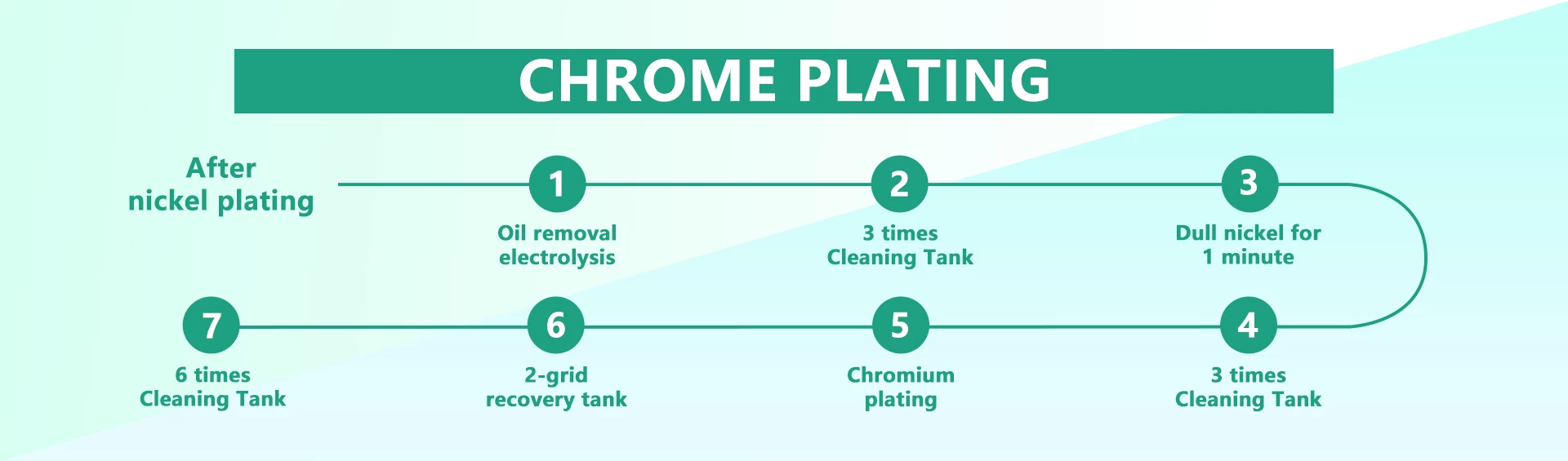
1. Process Flow Chart
2. Process Video
3. Process Details
After preprocessing and nickel plating, the next step is:
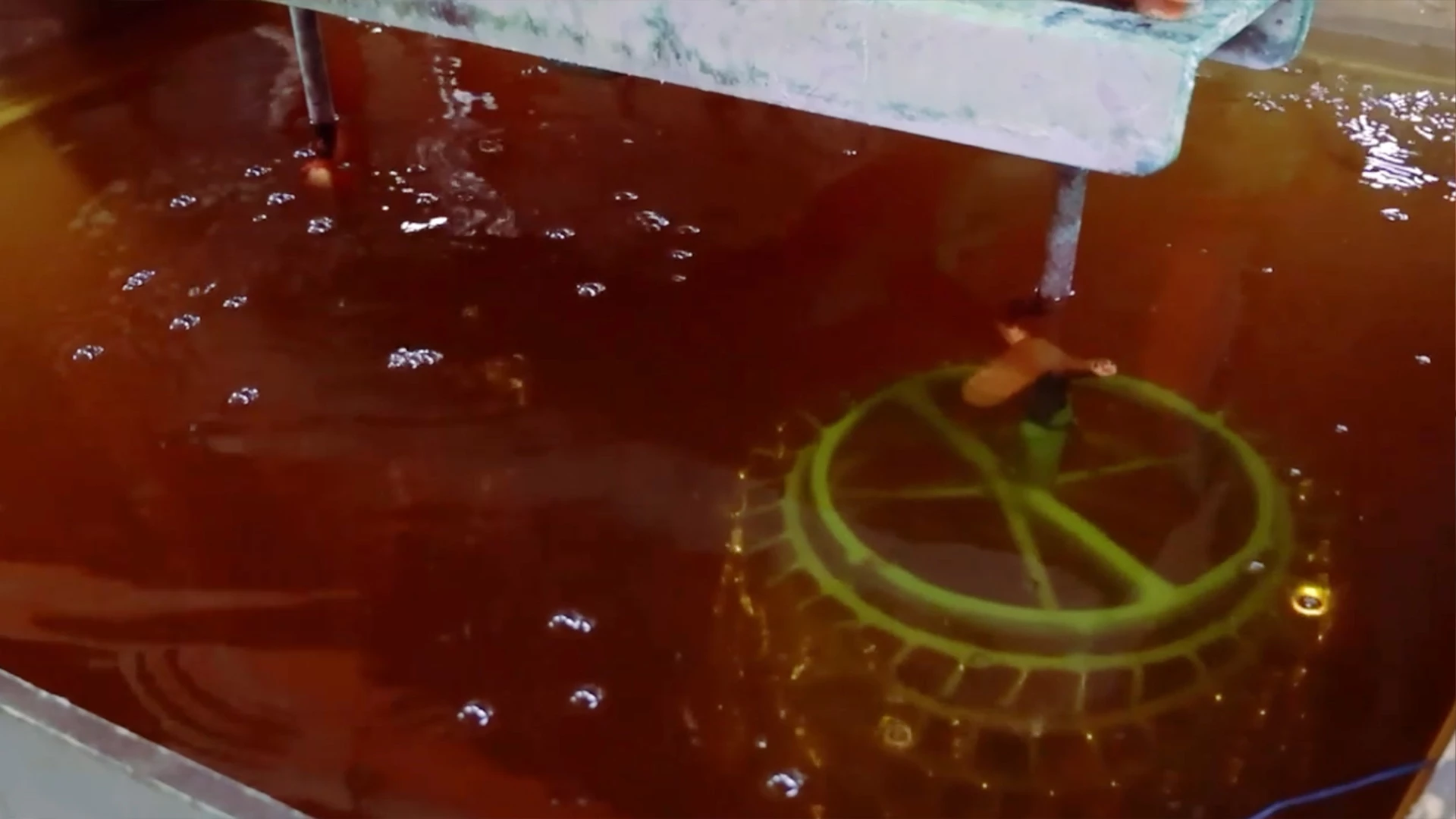
1. Oil removal electrolysis
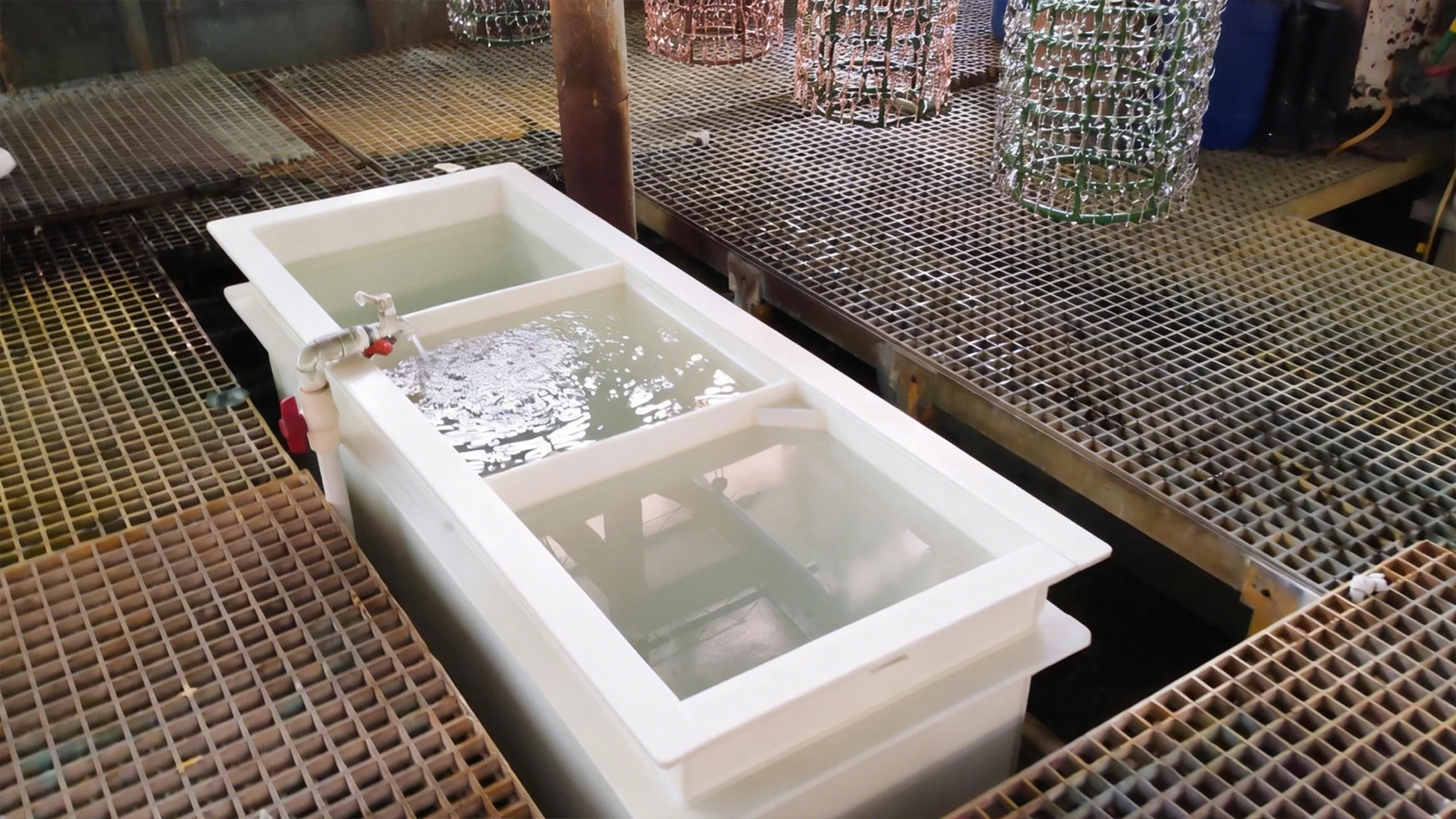
2. Three times Cleaning Tank
Remove residual liquid on the workpiece surface.
3. Dull nickel for 1 minute
Removing the brightness of nickel
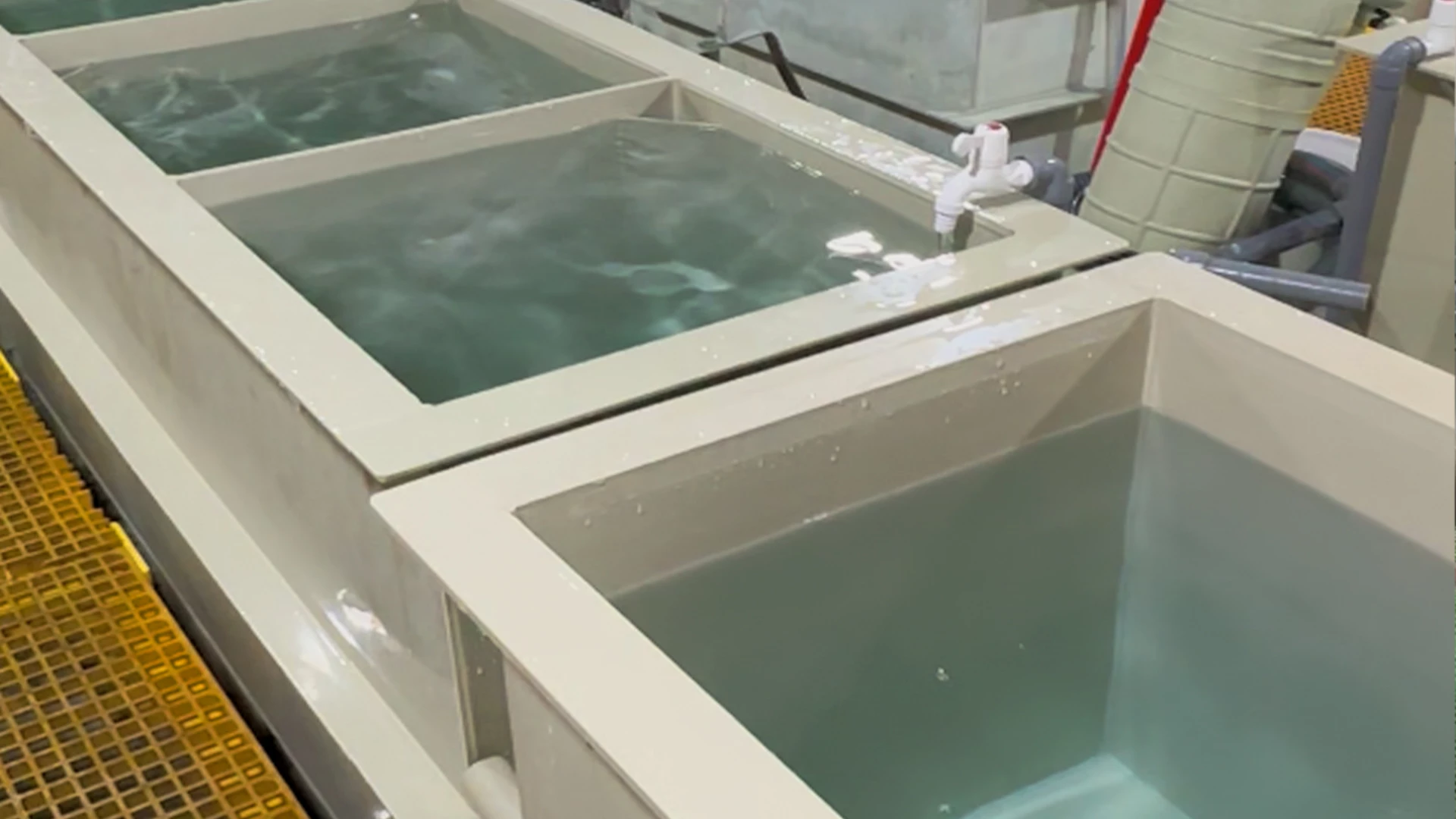
4. Three times Cleaning Tank
Remove residual liquid on the workpiece surface.
5. Chromium plating
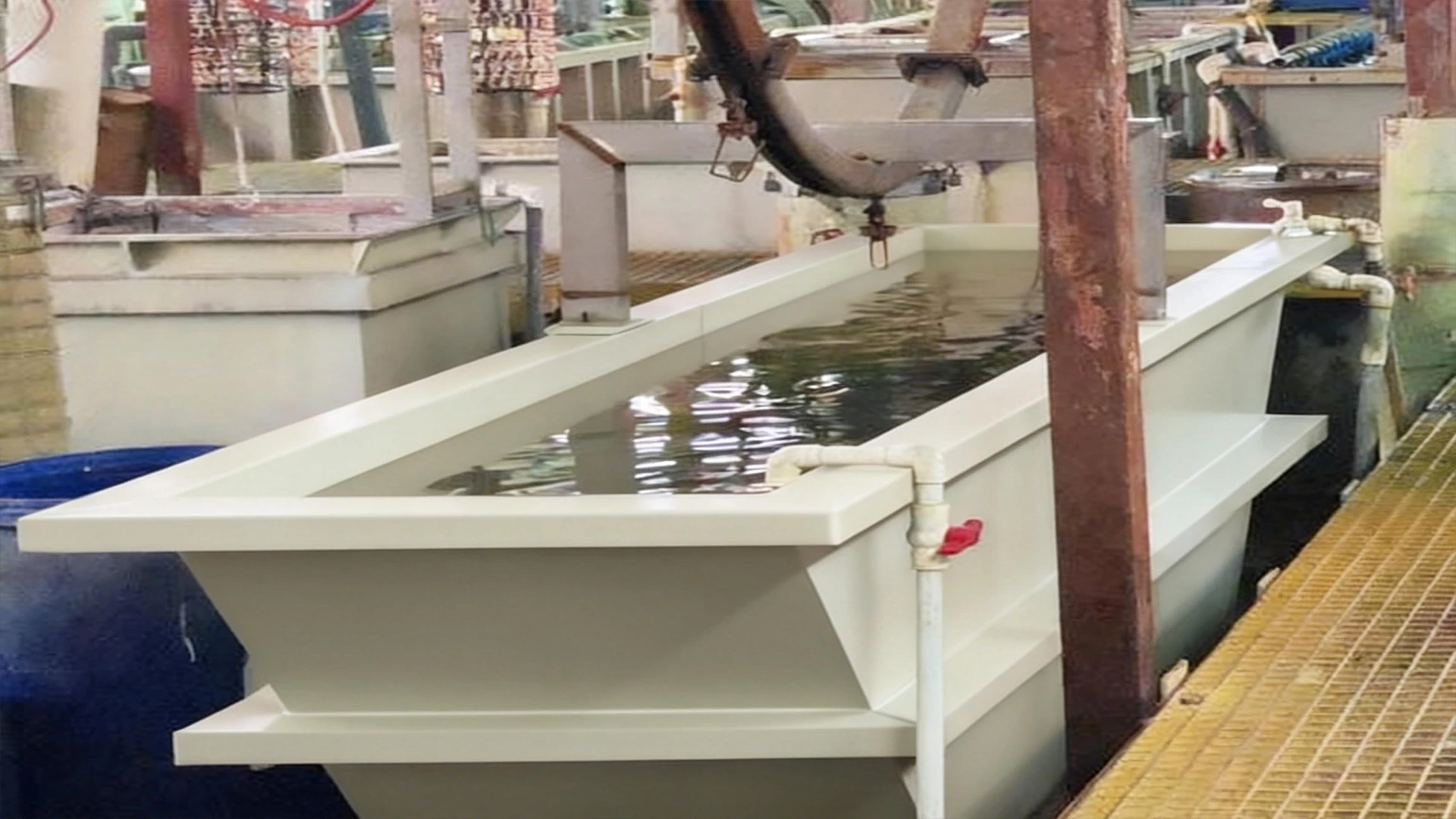
6. Two-grid recovery tank
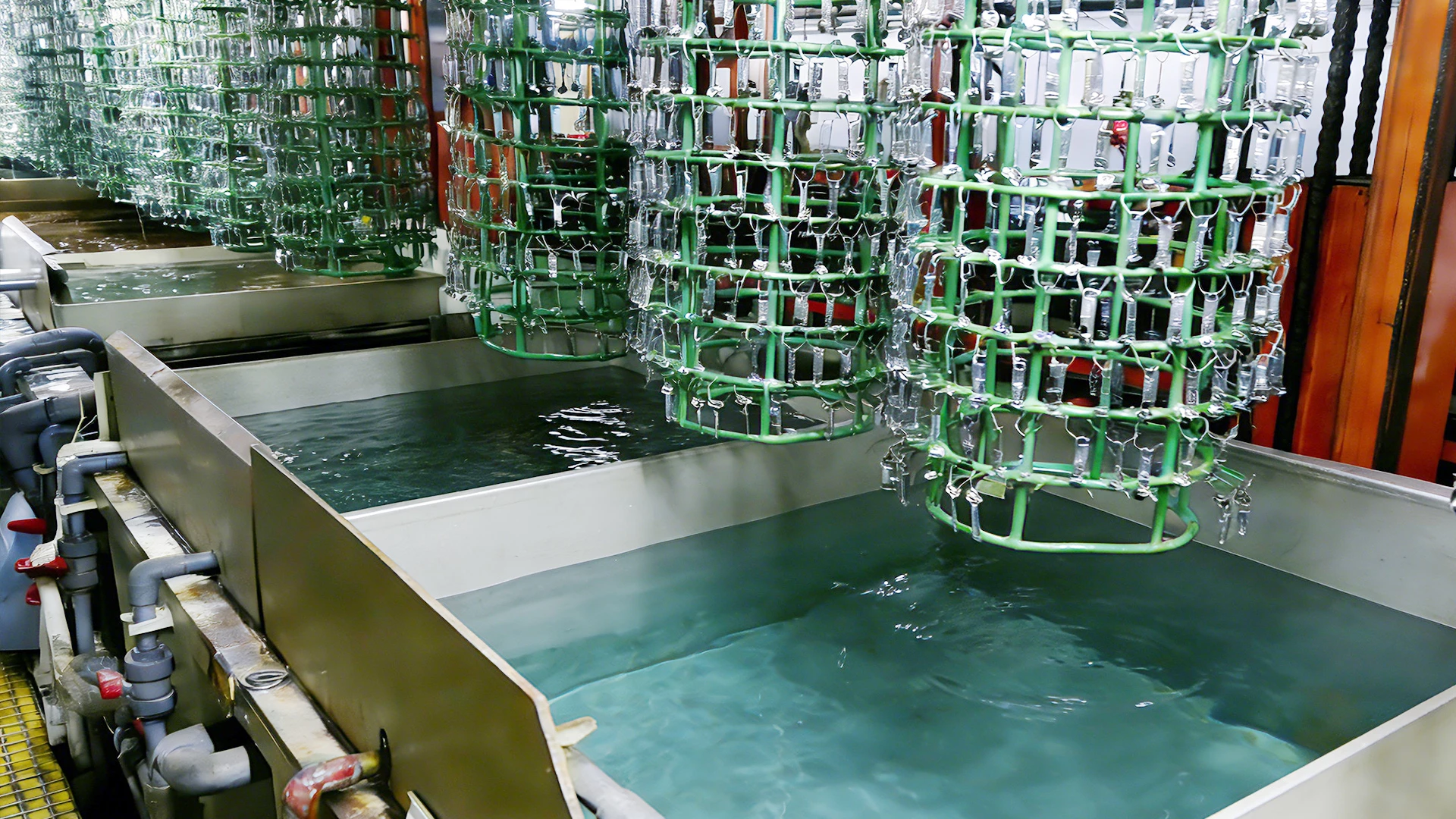
7. Six times Cleaning Tank
Remove residual liquid on the workpiece surface.
Get a Free Quote Today
Send us your samples or drawings — our engineers reply within 24 hours with pricing and technical advice.
Contact Us
Workshop Planning Data
Speical color — Data Zinc Alloy Finishing Managers Need
The rack plating line handles larger zinc alloy parts, sliders on frames and parts requiring precise current distribution — high-end finishes with zero contact marks and excellent throwing power.
800 m²Workshop Area
26 peopleTeam Size
330 kWInstalled Power
300-600k pcs/dayDaily Output (10 h)
Quality Inspection & Control
| Check item | Method | Acceptance standard |
|---|---|---|
| Coating thickness | X-ray / coulometric | Cu 5-12 μm, Ni 5-15 μm per spec |
| Adhesion | Bend + thermal shock | No blister at 150 °C × 30 min |
| Color & gloss | Colorimeter / gloss meter | ΔE ≤ 1.0, gloss per customer card |
| Contact marks | Visual 10× | Zero rack contact marks on A-surface |
| Salt spray | NSS chamber | 12-96 h per spec |
| Throwing power | Cross-section micro | Minimum:maximum thickness ≥ 1:1.6 |
Workshop Layout & Floor Area
| Zone | Area |
|---|---|
| Rack line (16-20 tanks) | 320 m² |
| Rack loading / unloading | 90 m² |
| Rectifier & control room | 50 m² |
| QA lab + microscope | 60 m² |
| Rack maintenance | 60 m² |
| Chemical store | 60 m² |
| Waste treatment | 120 m² |
| Utility & lockers | 40 m² |
| Total workshop | 800 m² |
Manpower & Shift Plan
| Role | Headcount |
|---|---|
| Rack loaders / operators | 12 |
| Chemical technicians | 3 |
| QC inspectors | 3 |
| Rack maintenance | 2 |
| Wastewater operator | 1 |
| Supervisor | 1 |
| Maintenance / electrician | 2 |
| Logistics | 2 |
| Total (2 shifts × 10 h) | 26 |
Power & Utility Demand
| Equipment | Demand |
|---|---|
| Rectifiers 0-15 V × 1000-3000 A | 120 kW |
| Tank heating / cooling | 70 kW |
| Hoist / transporter system | 30 kW |
| Pumps / filters / dosing | 38 kW |
| Exhaust + scrubber | 25 kW |
| Dryer / oven | 22 kW |
| Wastewater treatment | 20 kW |
| Lighting & auxiliary | 5 kW |
| Installed total | 330 kW |
| Typical running load | ≈ 260 kW |
Production Flow Chart
PretreatmentHand / barrel polish, degrease
Rack LoadingLoad parts on plated copper racks
Copper Strike & BuildAlkaline Cu → acid Cu
Nickel / Color PlatingBright Ni, gold, gun, black etc.
Rinse ChainRecovery → DI rinse
Dry / Unload / QCOven dry, unload, inspect, pack
Daily Capacity — 10-Hour Operating Day
| Parameter | Value |
|---|---|
| Cycle per flight bar | 35-60 min |
| Parts per flight bar | 3,000-8,000 |
| Flight bars per 10 h day | 14-18 |
| Daily output | 300,000-600,000 pcs |
| Monthly output (26 days) | 8-15 million pcs |
Output Value Estimate
| Parameter | Value |
|---|---|
| Plating fee per piece | USD 0.015-0.04 |
| Daily output value (10 h) | USD 8,000-18,000 |
| Monthly output value | USD 210,000-470,000 |
| Annual output value | USD 2,500,000-5,600,000 |
Related Products — Complete Speical color Solution
Machines, chemicals and consumables selected from the real QLQ product range for this process. Every product page is live and ready to quote.
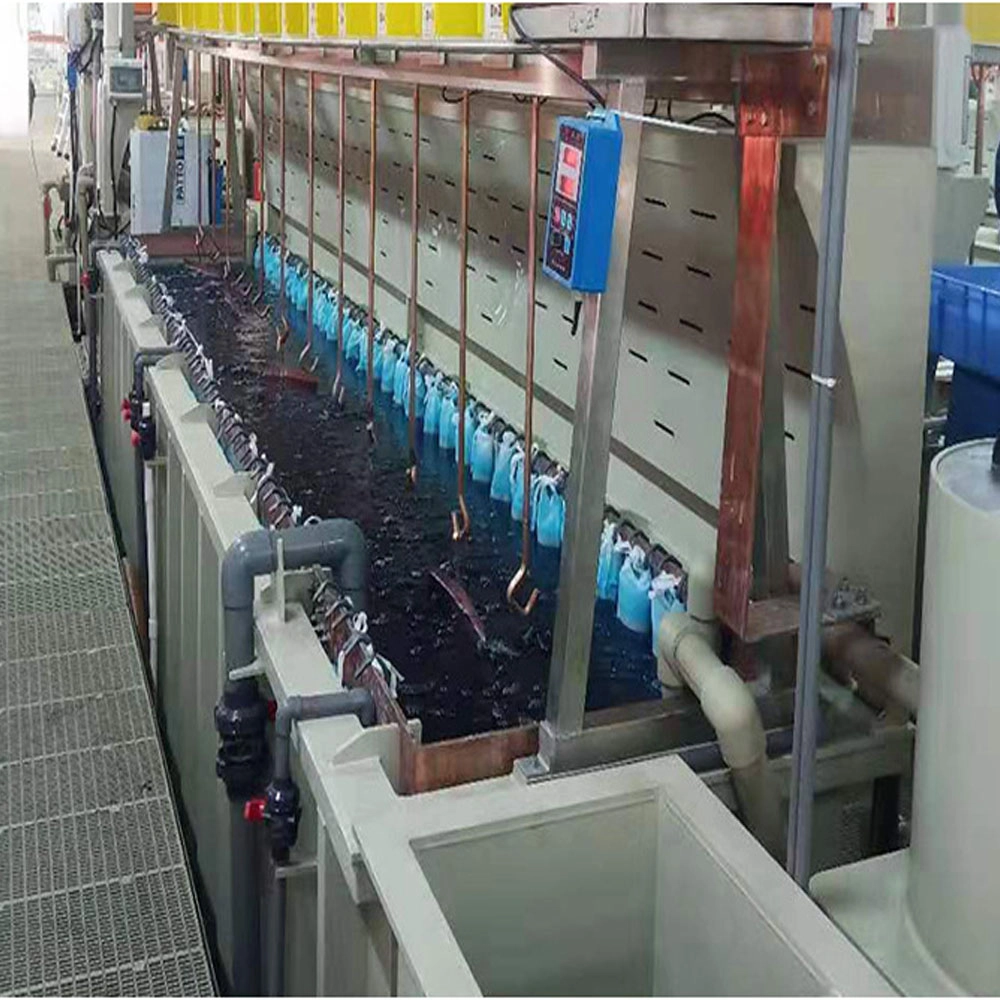
Rack nickel-plating-machine for zipper slider electro-plating-machine for zipper head gold plating machine electroplating
Machine & Equipment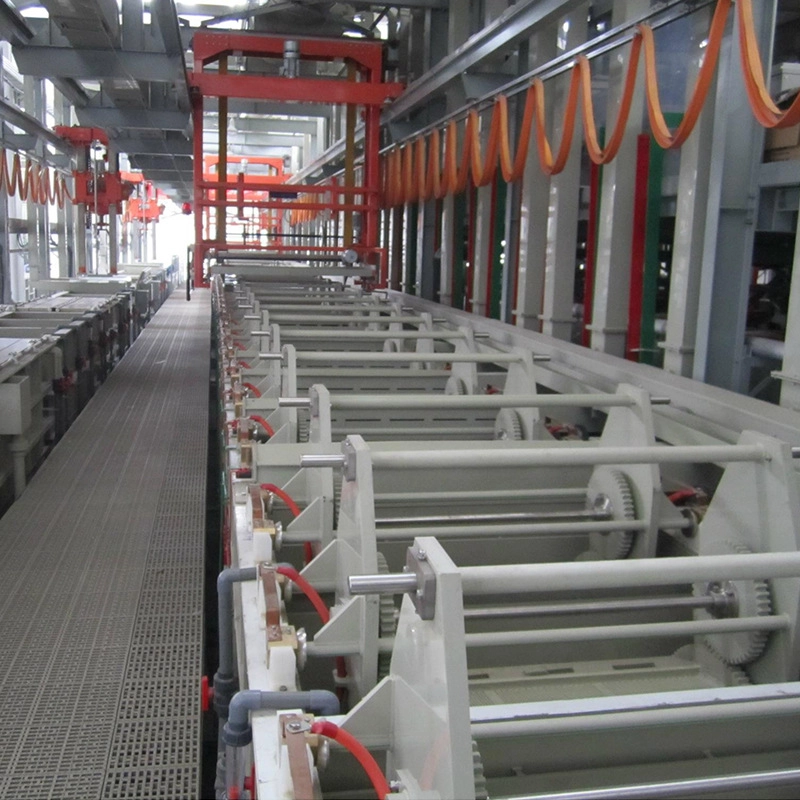
Barrel Plating Machine Nickel Zinc Plating Machine Gold Plated Electroplating Chemical Metal Electroplating Machinery
Machine & Equipment
Brightener Shiny Agent
Chemical & Coating
Coloring Powder
Chemical & Coating
QLQ-033 Blackening Liquid
Chemical & Coating
QLQ-032 Deep Position Agent
Chemical & Coating
QLQ-031 Complexing Agent
Chemical & CoatingView Full Product Range
Special colour control points
| Target colour | Base layer | Top process | Main risk |
|---|---|---|---|
| Rose gold | Bright nickel or copper | Gold alloy bath, short dwell | Pink shift with copper content |
| Black | Nickel | Black chrome or black nickel | Purple haze under strong light |
| Gunmetal | Nickel | Dark alloy or dyed seal | Batch-to-batch lightness drift |
| Two-tone | Nickel | Plate + mask + second plate | Mask leakage on relief edges |
FAQ
Why does rose gold look different on brass and on zinc alloy?
Different base colour and surface finish. Fix the base spec first, then tune the bath.
How do we control two-tone registration?
Fixture design and mask thickness. Inspect the first part of every rack, not the last.
What light should colour be approved under?
D65 daylight, on a neutral grey background, with the approved chip beside the part.