

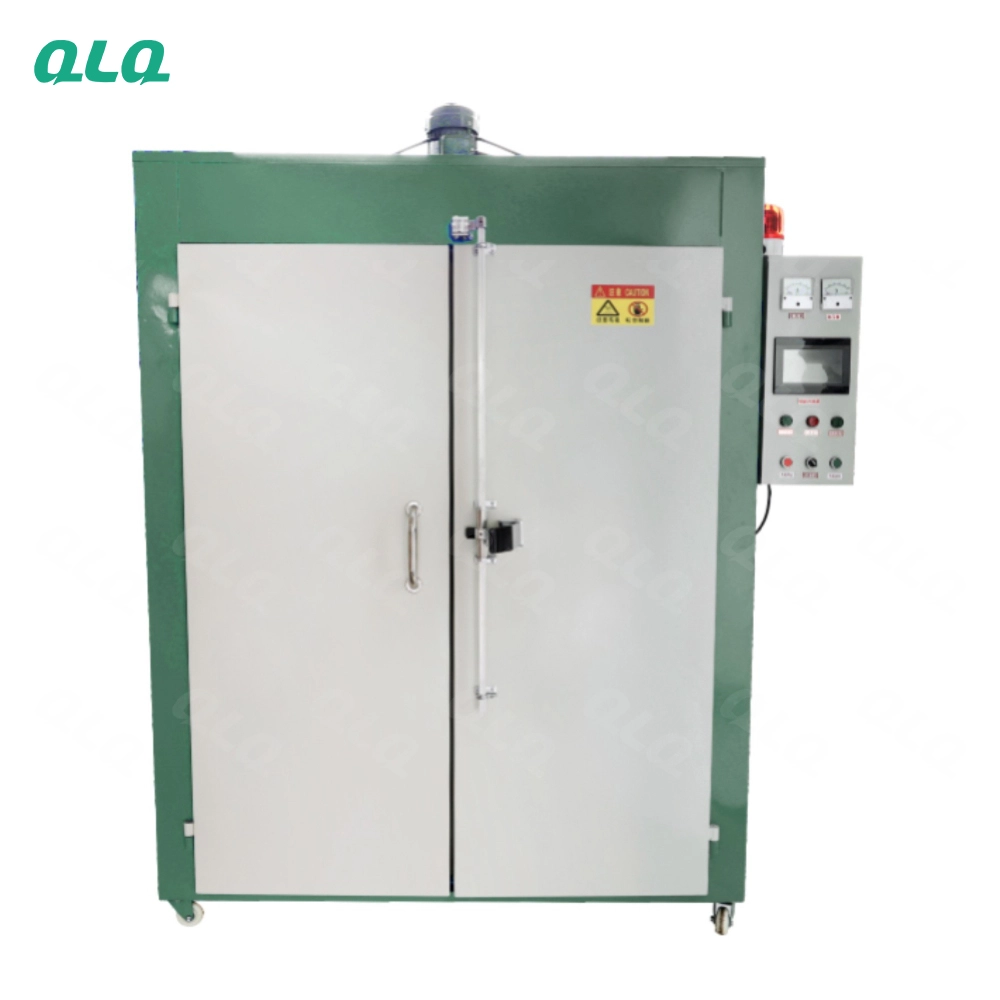
Equipment faults cost money twice: once when the line stops and once when the machine runs inefficiently. Energy data reveals the second cost, and senior technicians who baseline kWh can find failing pumps, leaking air and drifting drives before they cause a stop.
This senior guide covers equipment energy baselines: metering kWh per machine, trending current and power, auditing compressed air leaks, and the utility loss audit that turns energy data into maintenance work orders.
Common Mistakes and How to Avoid Them
The pitfalls that show up most often in real projects, with the cause and the practical fix.
| Mistake | Why It Happens | Practical Fix |
|---|---|---|
| 1. No energy baseline | Inefficiency invisible | Meter kWh per machine |
| 2. Ignoring current drift | Failing motor hidden | Trend current with load |
| 3. Air leaks accepted | Compressors work harder | Audit and fix leaks |
| 4. Fixing stops only | Energy waste continues | Baseline machines that run |
| 5. No meter per machine | Plant total hides the guilty unit | Meter key machines |
| 6. Audit by surprise | Seasonal and shift changes missed | Quarterly audit |
| 7. Energy data not shared | Maintenance cannot act | Turn findings into work orders |
| 8. No re-check after repair | Savings unproven | Re-baseline after fixes |
Best Practices That Hold Up in Production
The operating disciplines that separate a reliable line from a reactive one.
- Baseline kWh per key machine per shift
- Trend current and power to catch drift early
- Audit compressed air leaks on a fixed schedule
- Turn every energy finding into a maintenance work order
- Re-baseline after repairs to prove the saving
Implementation Roadmap
A practical sequence that can be adapted to your own project.
Process Flowchart
Energy audit flow
A step-by-step sequence with notes and cautions so every shift follows the same order.
- Energy data turns hidden machine wear into visible work orders.
- Compressed air is the most expensive utility and the leakiest.
- Never judge a motor without comparing current to its load baseline.
- Never fix an energy fault without re-baselining to prove the result.
Working Data & Formula Notes
Energy reference
Example values for an energy baseline audit; adapt to your machines and utility meters.
| Component / Parameter | Working Value / Role | What Changes Mean (annotation) |
|---|---|---|
| Baseline | kWh per shift | Per key machine |
| Current trend | Amps at fixed load | Weekly review |
| Air leak share | 20-30% typical | Audit and tag leaks |
| Compressor cost | Per m3 of air | Leak repairs pay fast |
| Audit cycle | Quarterly | Plus after major repairs |
Reference Data
Specifications and references cited in this guide. Confirm final parameters with your line supplier.
Utility loss table
| Finding | Signal | Action |
| Pump current rising | Wear or blockage | Service pump |
| Heater cycling long | Insulation or element | Check and repair |
| Drive drift | Current vs baseline | Align or rebuild |
| Air leak | Hisssss by zone | Tag and repair |
| Idle machines on | Running empty | Operator procedure |
Implementation Cases
Case 1 - the pump that wore out quietly
Situation. A filter pump ran for months with rising current but no stop. When it finally failed, the line lost a full shift and the replacement was urgent.
Approach. Energy baselines now trend current per pump weekly. The rising curve flagged the pump three weeks before failure, allowing a planned service.
Outcome. The next wear-out was repaired on schedule, and the line avoided the unplanned stop.
Case 2 - the compressor that never rested
Situation. A compressor ran almost continuously even at low production. A utility audit found air leaks across the line worth about 25% of compressor output.
Approach. Leaks were tagged by zone, repaired in priority order and the compressor duty was re-measured.
Outcome. Compressor running time fell by a third, and the audit became a quarterly work-order source.
Frequently Asked Questions
Why baseline kWh per machine?
Plant totals hide the machine that is failing or wasting energy.
How does current trend catch faults?
Rising current at fixed load shows wear, blockage or drive trouble before failure.
How much air do leaks waste?
Leaks can be 20-30% of compressor output in a typical plant.
Why audit compressed air?
It is the most expensive utility and the easiest to lose through small leaks.
How do I turn data into action?
Convert every energy finding into a maintenance work order with a priority.
How often should I audit?
Quarterly, plus after major repairs or load changes.
What if a repair changes the baseline?
Re-baseline after every repair so the saving is proven.
Who owns the energy baseline?
The senior maintenance owner, reviewed with the line manager quarterly.
What Would You Like to Solve?
If your line runs efficiently on paper but costs too much on the meter, send us your machine list, utility records and current maintenance data. We can help build the kWh baseline and loss audit that turn energy into work orders.
Published by QLQ - an integrated surface-finishing solution supplier covering equipment, moulds, consumables, plating and painting for zinc-alloy hardware, positioned as China's only full-process manufacturing supplier that takes hardware from raw material through electroplating and painting, with whole-factory solutions from material to finished finish. Values cited are project references; confirm with your line supplier before specification.