
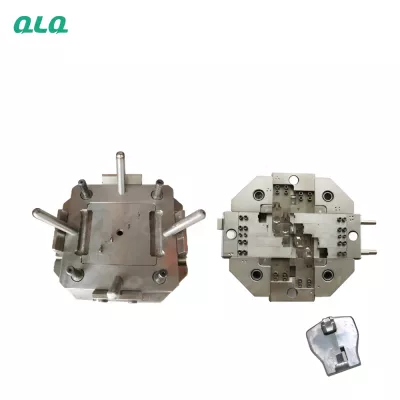
A mould that is cleaned right and stored right starts its next run true. Between-job care is where cavities get damaged, rusted or coated with baked release.
This guide is the 10-point cleaning and storage routine for zinc die-casting moulds.
Common Mistakes and How to Avoid Them
The pitfalls that show up most often in real projects, with the cause and the practical fix.
| Mistake | Why It Happens | Practical Fix |
|---|---|---|
| 1. Metal scrapers on the cavity | Scratches print into parts | Use approved tools only |
| 2. Release left baked on | Fill changes | Clean per schedule |
| 3. Vents forgotten | Gas burns next run | Clean and check depth |
| 4. Wet storage | Rust on the cavity | Dry and protect |
| 5. No mould card | History lost | Card with the mould |
| 6. Ejectors left dirty | Sticking next run | Clean and lube |
| 7. Cooling not blown out | Scale and rust | Blow and check |
| 8. Loose handling | Edge damage | Correct lifting and trays |
Best Practices That Hold Up in Production
The operating disciplines that separate a reliable line from a reactive one.
- Clean after every run
- Approved tools only
- Protect and dry before storage
- Keep the card with the mould
Implementation Roadmap
A practical sequence that can be adapted to your own project.
Process Flowchart
Between-job care flow
A step-by-step sequence with notes and cautions so every shift follows the same order.
- Approved tools protect the cavity.
- The mould card is the tool memory.
- Moulds are heavy - safe lifting.
- Cleaning chemicals need PPE.
Working Data & Formula Notes
Working data - cleaning and storage
Reference values for zinc die-casting moulds.
| Component / Parameter | Working Value / Role | What Changes Mean (annotation) |
|---|---|---|
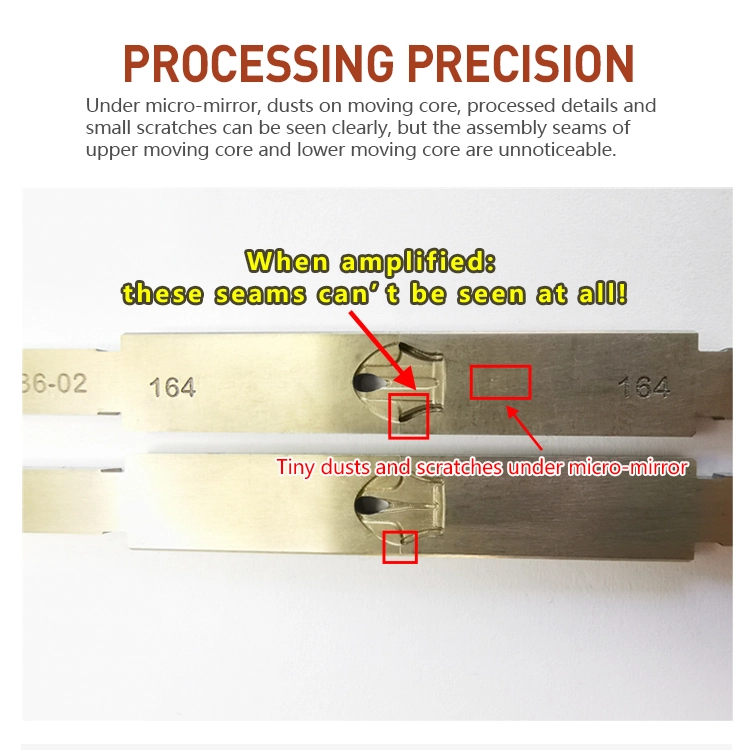
| Cavity accuracy | +/- 0.02 mm | Scratches break it. |
| Clean | Per run or 5000 shots | Baked release changes fill. |
| Vent depth | Per design | Blocked vents burn. |
| Storage | Dry and protected | Rust is a cavity killer. |
Reference Data
Specifications and references cited in this guide. Confirm final parameters with your line supplier.
10-point card
| Cool | Clean | Inspect cavity |
| Gate | Vents | Ejectors |
| Cooling blow | Protect | Store |
| Card | Log | Sign |
Implementation Cases
Case 1 - baked release that changed the fill
Situation. Flow marks appeared after a mould ran heavy release for weeks.
Approach. The cavity was cleaned with approved tools and the release coat returned to minimum.
Outcome. Fill returned to normal.
Case 2 - rust from wet storage
Situation. A stored mould rusted over a holiday.
Approach. The cavity was re-polished and dry protected storage became standard.
Outcome. No more rust, and the card tracked the repair.
Frequently Asked Questions
Why clean after every run?
Baked release changes the fill and prints flow marks.
Why approved tools only?
Metal scrapers scratch the cavity and break the +/- 0.02 mm accuracy.
Why blow cooling channels?
Trapped water scales and rusts the circuits.
Why protect before storage?
Wet cavities rust and cost a re-polish.
Why keep the card?
Shot counts and repairs become the maintenance history.
How often clean vents?
Per run; blocked vents burn and trap gas.
What is safe lifting?
Certified lifting and trays - a dropped mould is a scrap tool.
What do I log?
Shots, cleaning, findings and repairs.
What Would You Like to Solve?
Clean right, inspect every point, protect for storage and log the card. The between-job routine decides the next run.
Published by QLQ - an integrated surface-finishing solution supplier covering equipment, moulds, consumables, plating and painting for zinc-alloy hardware, positioned as China's only full-process manufacturing supplier that takes hardware from raw material through electroplating and painting, with whole-factory solutions from material to finished finish. Values cited are project references; confirm with your line supplier before specification.