

Professional Zinc Alloy Surface Finishing Solutions
Tartaric Acid
Tartaric Acid
Luo QR-koodi
-
Estimated Delivery:Oct 02 - Oct 06
-
Free Shipping & Returns: On all orders over $75
Product description
Shipping & Return
Product Overview
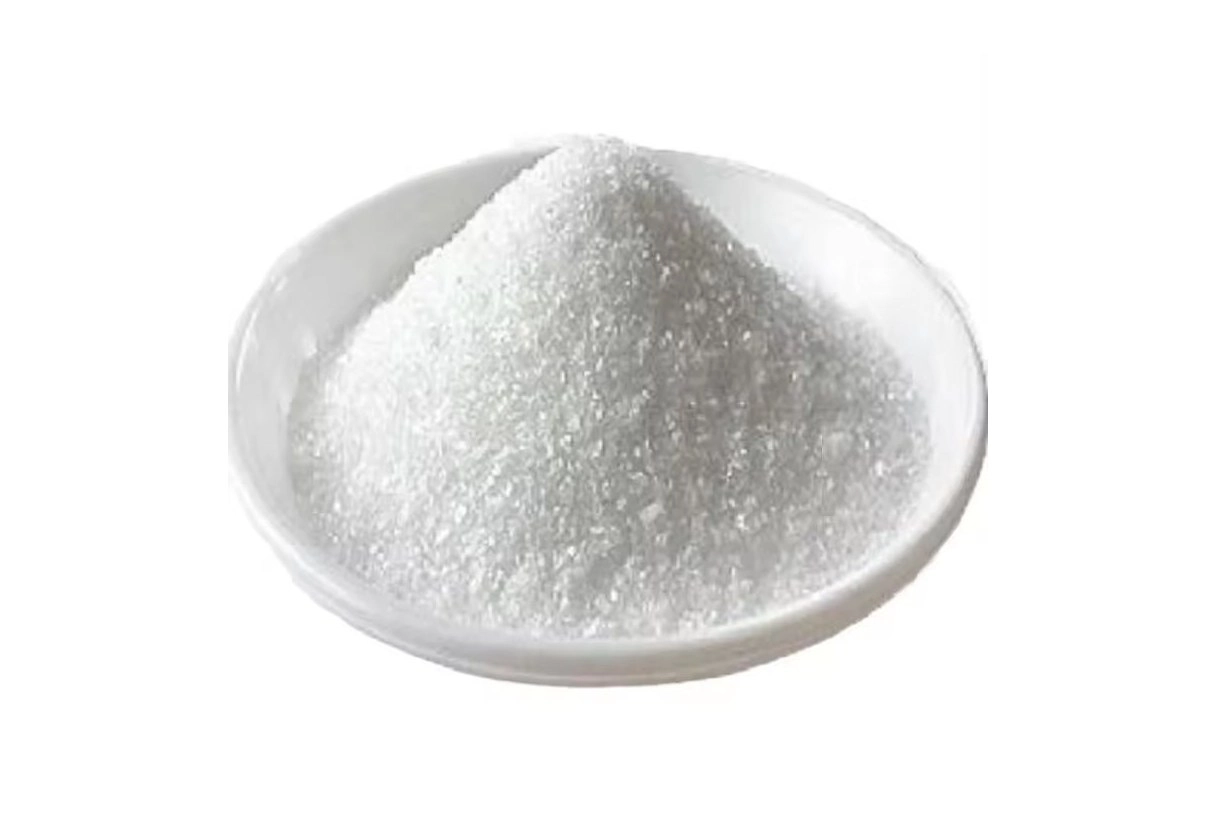
Tartaric Acid (C4H6O6, L(+)-tartaric acid) is a natural di-carboxylic hydroxy acid - the molecule behind the classic Rochelle-type electroless copper bath and a workhorse complexant for copper and iron chemistry in the finishing shop. It is a white crystalline powder, freely soluble in water, mildly acidic (1% pH about 2.2), and it forms strong, soluble complexes with copper, iron(III), tin and aluminium ions in alkaline solution. In plating practice it is used three ways: as the complexant in alkaline electroless copper (usually as tartaric acid neutralised with caustic or as its Rochelle salt form), as a co-complexant in acid cleaning and oxide-removal dips for copper alloys, and as an addition to dilute sulfuric anodizing baths where a less aggressive, tartaric-modified process is specified for aluminium. Market grades reflect the salt's two worlds: food and wine grades dominate supply, while technical plating grade adds certified metal limits (Fe, Pb, sulfate, chloride) and consistent assay - the differences that decide whether a bath runs clear or dulls.
Product Identity (Encyclopaedia Card)
| Property | Value |
|---|---|
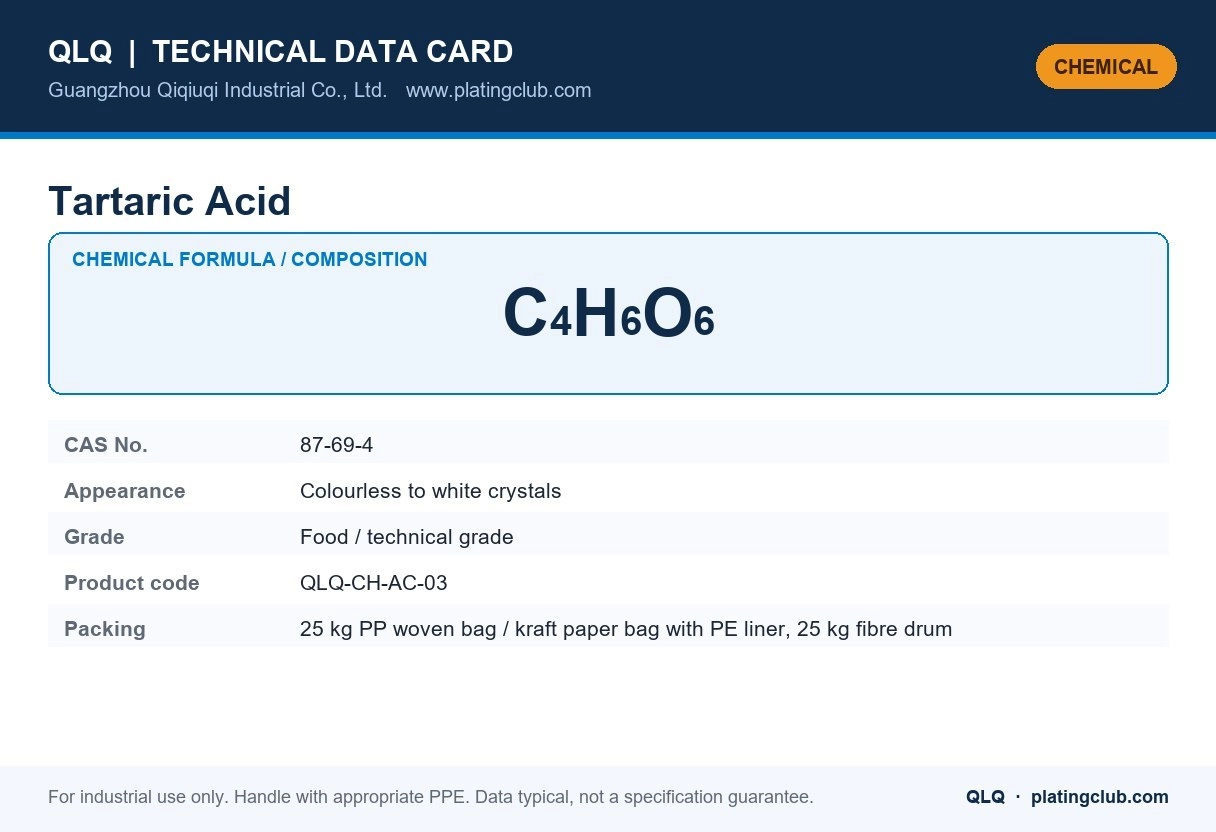
| Chemical name | Tartaric Acid |
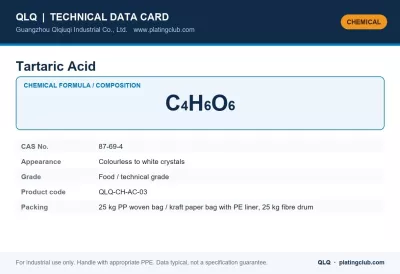
| Chemical formula | C4H6O6 |
| CAS number | 87-69-4 |
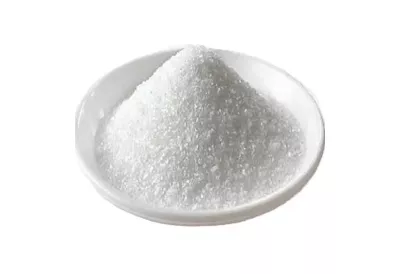
| Appearance | Colourless to white crystals |
| Grade / type | Food / technical grade |
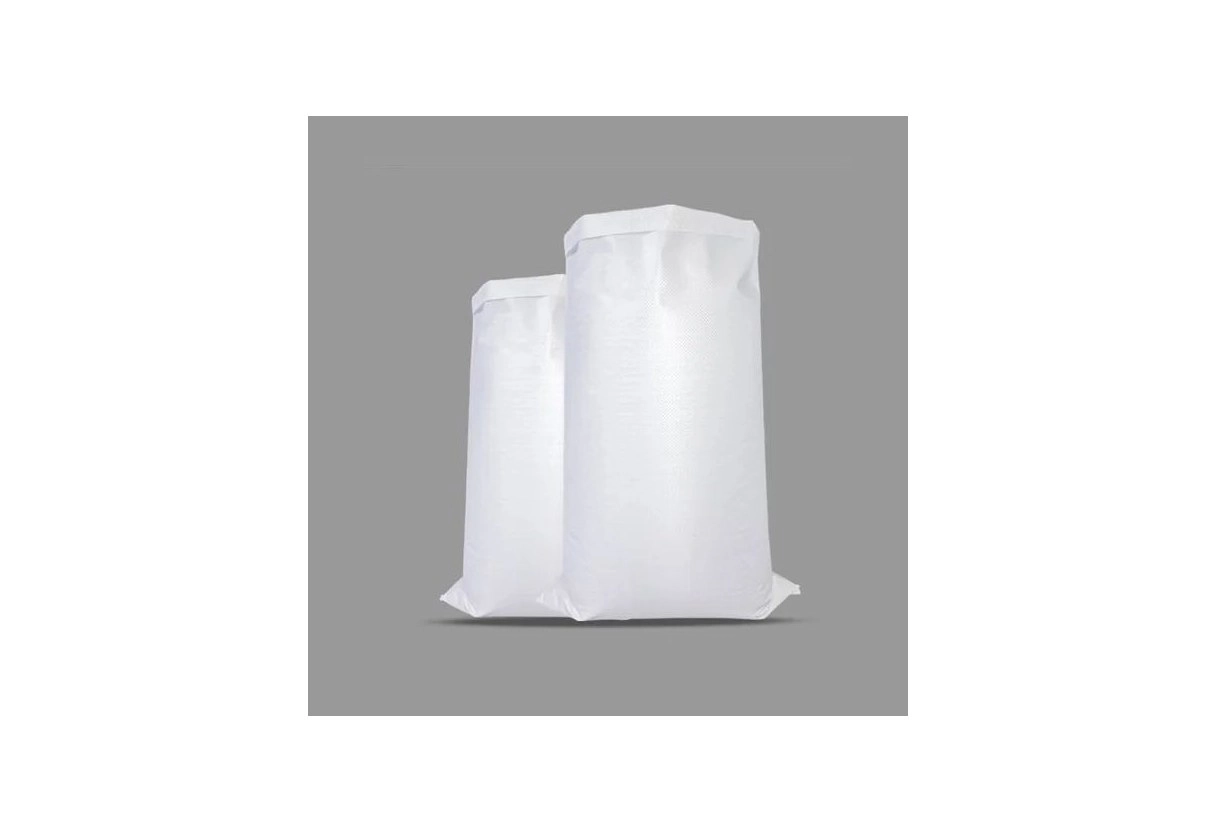
| Standard packing | 25 kg PP woven bag or kraft paper bag with PE inner liner; 25 kg fibre drum |
What it is and what it does. Tartaric acid is the mild organic acid and complexant used in acid cleaning, in electroless plating and in the colouring of copper alloys, where it holds metal ions in solution without attacking the base metal aggressively.
- White crystals; the dipotassium salt is also used where a near-neutral complexant is needed.
- Used with tin and copper salts in the colouring of brass and bronze hardware.
- Mild compared with the mineral acids, but still a serious eye irritant in powder form.
Typical Use in a Plating / Finishing Line
| Item | Typical guidance |
|---|---|
| Copper alloy colouring | 10-50 g/L with the metal salt at 40-70 C |
| Cleaning and deoxidising | 5-20 g/L with a surfactant |
| Analysis | Acid base titration |
Safety, Handling & Storage
| Item | Requirement |
|---|---|
| Hazard classification | Irritant (GHS07) — causes serious eye irritation |
| Personal protective equipment | Safety goggles and acid-resistant gloves; dust mask when handling powder |
| Spill / first aid | Sweep up dry powder, or dilute and neutralise small liquid spills, then rinse to the effluent treatment system |
| Storage | Cool, dry, ventilated store; keep sealed against moisture, away from alkalis and oxidisers |
| Transport | Classified and packed according to IATA/IMDG for the hazard class; UN number and packing group stated on the shipping documents |
Quality Documents Shipped With Every Batch
| Document | Comment |
|---|---|
| COA (certificate of analysis) | Provided with the shipment; batch traceable to the production date |
| MSDS (safety data sheet) | Provided with the shipment; batch traceable to the production date |
| Packing list | Provided with the shipment; batch traceable to the production date |
| Commercial invoice | Provided with the shipment; batch traceable to the production date |
| Certificate of origin on request | Provided with the shipment; batch traceable to the production date |
Buyer Questions We Answer Every Week
| Question | Answer |
|---|---|
| Is it food grade? | Both food and technical grades are available, but only technical grade is supplied for plating use. |
| Which is more effective, tartaric or citric acid? | They behave differently with metal ions; the choice depends on the metal being complexed and on the pH of the process. |
| Item | Typical Value |
|---|---|
| Chemical formula | C4H6O6 (L(+)-tartaric acid) |
| Assay | ≥ 99.5% |
| Appearance | White crystalline powder, odourless |
| Solubility (20°C) | ~ 1300 g/L in water |
| pH (1% solution) | ~ 2.2 |
| Iron (Fe) | ≤ 0.002% |
| Chloride / Sulfate | ≤ 0.005% / ≤ 0.02% |
| Heavy metals (as Pb) | ≤ 0.001% |
| Residue on ignition | ≤ 0.05% |
| Standard packing | 25KG woven bag with PE inner liner |
How to Check Quality Before Loading a Batch
| Check | Method | Pass Criteria |
|---|---|---|
| Appearance | Visual | White uniform crystals; yellow tint or grey specks = iron/copper contamination or old stock |
| Solubility / clarity | Dissolve 100 g in 100 ml DI water | Clear, colourless solution, no residue |
| Assay | COA (alkalimetric titration) | ≥ 99.5%; reject below 99.0% |
| Heavy metals | Sulfide spot test on a 10% solution | No darkening - lead and iron are the impurities that dull alkaline copper baths |
| Coupon test (electroless Cu) | Build a small Rochelle-type bath with the new lot, plate a brass panel | Copper colour, coverage and rate match the reference bath |
How QLQ controls it: tartrate electroless copper is sensitive to iron and lead at trace level, so each lot is quarantined, assay-verified and coupon-tested before release. Batch numbers are kept on file for 12 months so any colour or stability complaint can be re-tested against the exact delivery.
How It Works in the Bath (Tartrate Electroless Copper)
Rochelle-type electroless copper was the first practical electroless copper chemistry, and it still suits decorative and low-build work. Tartrate complexes copper so it stays dissolved in the strongly alkaline bath (pH 12-13) where copper hydroxide would otherwise precipitate; the complex releases copper to the catalytic surface as the reducer (formaldehyde) donates electrons, and plating proceeds on copper, brass or catalysed plastic. The bath is simpler and cheaper to run than EDTA systems, at the cost of a lower stability ceiling - it must be filtered, watched and replenished by analysis. Tartaric acid also does useful work in acid media: it lifts copper oxide films from copper and brass in inhibited acid dips without heavy etching, and its iron complexes keep dissolved iron from re-depositing as smut.
| Application | Typical working data | Role of tartaric acid |
|---|---|---|
| Rochelle-type electroless copper (decorative) | CuSO4·5H2O 10-20 g/L; tartaric acid 30-45 g/L (or Rochelle salt 40-55 g/L); NaOH to pH 12-13; formaldehyde 37% 10-20 ml/L; 20-40°C | Complexant holding copper soluble at high pH |
| Acid oxide-removal dip for copper/brass | 5-15% acid + tartaric acid 10-30 g/L, 20-40°C, 1-5 min | Complexes Cu2+ and Fe3+, prevents redeposition smut |
| Nickel / Ni-alloy bath additions | 1-10 g/L as co-complexant where iron dissolves from parts | Holds dissolved iron in a plateable/cleanable form |
| Tartaric-sulfuric anodizing (aerospace type) | Dilute sulfuric bath (about 30-50 g/L H2SO4) with tartaric acid roughly 4-10 g/L | Moderates attack; part of the approved low-pitting anodize process |
| Soak / ultrasonic cleaners | 1-5 g/L in neutral-alkaline blends | Sequesters metals from soils and hard water |
Ranges shown are starting points verified in workshop practice; proprietary electroless copper systems carry their own complexant blend and must be replenished per the process supplier. Rule of thumb in tartrate copper: keep the tartrate:copper molar ratio near 1.5-2.5:1 and verify stability hourly on a live bath.
Common Problems & Fixes (Workshop Table)
| Problem | Root cause | Fix |
|---|---|---|
| Bath decomposes (black powder) during a run | Tartrate/copper ratio low, stabiliser exhausted, or over-heating | Cool, filter or treat; re-analyse ratio; shorten batch cycles |
| Slow deposition or patchy coverage | Over-complexed copper, low pH, or exhausted reducer | Verify ratio and pH; top up formaldehyde; confirm bath loading |
| Dull reddish deposit | Free copper too high, copper oxide particles in bath | Raise complexant slightly, filter 1-5 μm, re-balance |
| Smut re-deposits on brass after acid dip | Dissolved copper redepositing - tartrate dose too low in the dip | Raise tartaric acid to 20-30 g/L; keep the dip cool and fresh |
| White haze on anodized aluminium | Tartaric-sulfuric ratio or temperature out of window | Verify bath composition and temperature against the process spec |
Handling & Safety
- Health: tartaric acid powder is an irritant to eyes and airways; gloves, goggles and a dust mask are adequate. Solutions are acidic - rinse splashes promptly.
- Dissolving: dissolves freely in water with stirring. When making Rochelle-type copper baths, neutralise the tartaric acid with caustic first (exothermic - add slowly) before adding the copper salt.
- Storage: keep bags sealed and dry. Tartaric acid is stable, but damp powder cakes and weighing errors follow; check assay if a bag has been wet.
- Incompatibility: keep away from strong oxidizers (nitric acid, peroxide, hypochlorite) - organic hydroxy acids can react vigorously when mixed with oxidising agents.
- Effluent: tartaric acid is biodegradable and adds COD to the waste stream; spent electroless copper baths are copper-bearing and high-load - treat or dispose through the licensed route, never to drain.
What It Does on Iron, Zinc Alloy, Copper and Stainless Steel Parts
| Substrate | How tartrate chemistry serves the part | Practice note |
|---|---|---|
| Iron / steel parts | Tartrate in inhibited acid dips lifts iron oxide and shop dirt with less base-metal attack, protecting dimensional parts | Add inhibitor; keep dwell short; rinse and dry fully before storage |
| Zinc alloy die-castings | Used in post-buffing soak cleaners at neutral pH to remove buffing soils and oxide without etching zinc | Keep pH near neutral and temperature moderate; check for grey smut under load |
| Copper / brass | The core application: electroless copper builds thin even layers; acid-tartrate dips deoxidise bright surfaces without immersion smut | For decorative copper 0.2-1 μm suffices; protect with lacquer or a nickel top layer |
| Stainless steel | Alkaline tartrate cleaners remove iron smut and fingerprints from stainless surfaces before passivation or plating | Follow with DI rinse; confirm passivity on food-contact parts |
FAQ
| Question | Answer |
|---|---|
| Can I use food-grade tartaric acid for my plating bath? | Physically yes - it is the same molecule. But food grades are not certified for the metal limits that matter to a bath, so traceability and lot-to-lot consistency are weaker. Plating-grade material with a COA is the safer purchase for production. |
| Tartaric acid or Rochelle salt - which do I weigh out? | Rochelle salt (potassium sodium tartrate tetrahydrate) is the neutralised form and dissolves straight into the alkaline bath; tartaric acid must be neutralised first. Dose on the tartrate anion content - Rochelle salt weighs about 1.9 times as much as tartaric acid for the same tartrate load, so convert carefully. |
| Why did my tartrate copper bath suddenly go black? | That is spontaneous decomposition - free copper was too high (low ratio), stabiliser depleted, or the bath overheated or was seeded by dust or rough particles. It cannot be reversed; cool it, treat or replace, and run the next bath with hourly pH/ratio checks. |
| Does QLQ support electroless copper and cleaning lines? | Yes - COA with every shipment, and QLQ engineers help with bath make-up, analysis routines and remote defect diagnosis for customers in 10+ countries. |
Copper bath or cleaning line acting up? Send QLQ your analysis values and a panel photo - engineers check complexant ratio, pH and contamination and return a written fix. Contact us.
Shipping cost is based on weight. Just add products to your cart and use the Shipping Calculator to see the shipping price.We want you to be 100% satisfied with your purchase. Items can be returned or exchanged within 30 days of delivery.