
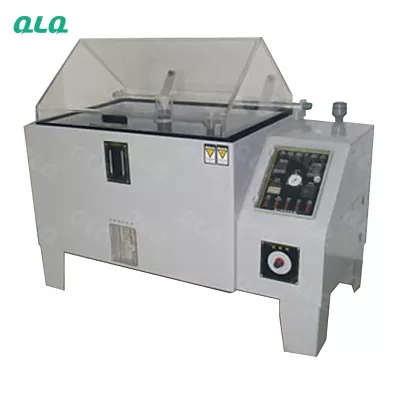
Quality is numbers, not opinions. The first-article gate and honest recording are the two disciplines that protect the whole batch.
This junior guide covers quality recording and first-article gates.
Common Mistakes and How to Avoid Them
The pitfalls that show up most often in real projects, with the cause and the practical fix.
| Mistake | Why It Happens | Practical Fix |
|---|---|---|
| 1. First article skipped | Fault repeats | Gate before batch |
| 2. Opinions instead of numbers | Unprovable | Write the reading |
| 3. Records from memory | Data wrong | Record at the time |
| 4. Retention samples lost | Disputes | Store and log |
| 5. Gauge uncalibrated | False numbers | Calibrate |
| 6. Escalation delayed | Batch ships bad | Escalate at the limit |
| 7. Checklist skipped | Steps missed | Follow the checklist |
| 8. No shift log | History lost | Log per shift |
Best Practices That Hold Up in Production
The operating disciplines that separate a reliable line from a reactive one.
- Gate the first article before every batch
- Record numbers, not opinions
- Keep retention samples per batch
- Follow the standard checklist
- Escalate at the limit
Implementation Roadmap
A practical sequence that can be adapted to your own project.
Process Flowchart
Recording and gate flow
A step-by-step sequence with notes and cautions so every shift follows the same order.
- The first article is the batch contract.
- Numbers make quality provable.
- Never fill the log from memory.
- Escalate at the limit, not after.
Working Data & Formula Notes
Recording data
Reference values for quality recording.
| Component / Parameter | Working Value / Role | What Changes Mean (annotation) |
|---|---|---|
| First article | Before every batch | Cheapest gate |
| Record | Numbers at the time | Provable quality |
| Retain | Per batch | Dispute proof |
| Escalate | At the limit | Stop early |
Reference Data
Specifications and references cited in this guide. Confirm final parameters with your line supplier.
First-article card
| Check | Tool | Result |
| Dimension | Gauge | Number |
| Film | Meter | Number |
| Surface | Magnifier | Pass or fail |
| Retain | Sample | Logged |
Implementation Cases
Case 1 - opinions that hid a drift
Situation. Inspectors wrote looks-OK instead of readings; a slow dimension drift was missed for weeks.
Approach. Recording moved to numbers at the time and the first-article gate became mandatory.
Outcome. The drift was caught on the first article; numbers replaced opinions.
Case 2 - lost retention samples that lost a dispute
Situation. A customer dispute had no samples to prove the batch; the claim could not be answered.
Approach. Retention samples were stored and logged per batch.
Outcome. Disputes now have proof; the retention rule is standard.
Frequently Asked Questions
Why gate the first article?
It shows setup faults before the batch runs, when they are cheap to fix.
Why numbers, not opinions?
Numbers are provable and comparable; opinions are not.
Why record at the time?
Memory records drift; the number must be written when it is read.
Why retention samples?
They prove the batch and settle disputes.
Why the checklist?
A fixed checklist stops skipped steps.
When do I escalate?
At the limit - early escalation stops bad batches.
Why calibrate tools?
False readings make false passes.
What is in the shift log?
First-article results, readings, actions and escalations.
Who owns the record?
The inspector, with QC reviewing daily.
What Would You Like to Solve?
Tell us your batch types and current recording. We can help build the first-article card and the recording standard for your line.
Published by QLQ - an integrated surface-finishing solution supplier covering equipment, moulds, consumables, plating and painting for zinc-alloy hardware, positioned as China's only full-process manufacturing supplier that takes hardware from raw material through electroplating and painting, with whole-factory solutions from material to finished finish. Values cited are project references; confirm with your line supplier before specification.