
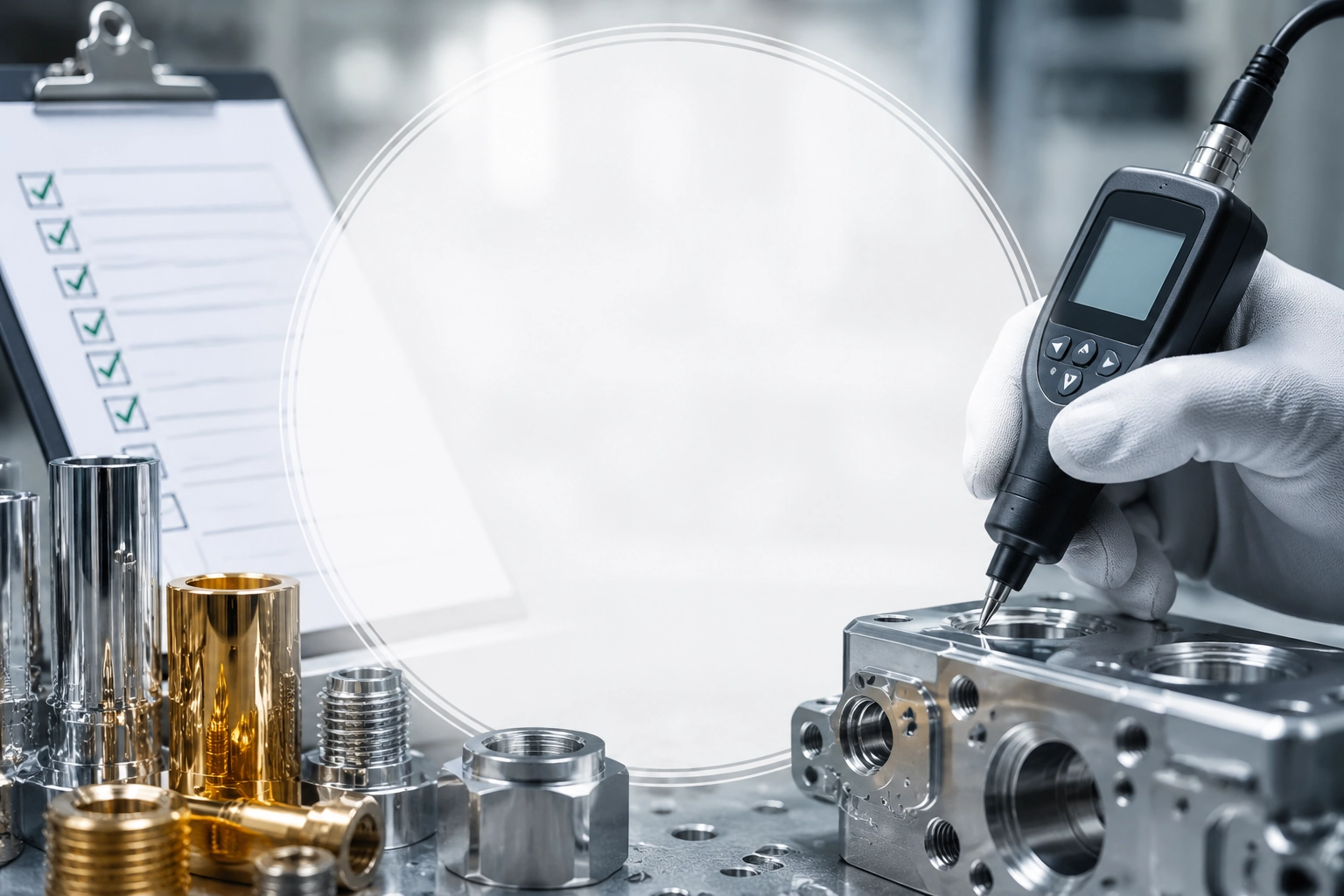
💡 Key Takeaway: Whether you're sourcing zipper pulls, belt buckles, or automotive hardware, understanding electroplating quality standards is essential. This guide covers the 5 critical inspection methods every buyer should know — from thickness measurement to salt spray testing — so you can specify requirements confidently and avoid costly rejections.
Why Electroplating Quality Standards Matter
Electroplating isn't just about making metal look shiny. A properly plated component must meet three fundamental requirements: appearance consistency, corrosion resistance, and mechanical durability. Without standardized testing, two batches from the same supplier can perform dramatically differently in the field — one lasting years, the other rusting within weeks.
For B2B buyers of plated hardware — zipper components, fashion accessories, automotive trim, or architectural fittings — quality failures don't just mean returns. They mean production line stoppages, brand damage, and expensive liability claims. This is where international standards like ASTM, ISO, and MIL-SPEC come into play.
📋 The Big Three Standards Bodies
| ASTM International | B117 (Salt Spray), B487 (Thickness), B571 (Adhesion) |
| ISO | 2081 (Zinc), 1456 (Nickel+Chrome), 9227 (Corrosion) |
| MIL-SPEC | MIL-DTL-38999, MIL-C-26074 (Military-grade coatings) |
The 5 Critical Electroplating Quality Tests
1️⃣ Coating Thickness Measurement
Why it matters: Thickness directly determines service life. Too thin = premature corrosion. Too thick = wasted cost and potential brittleness.
Methods:
- X-Ray Fluorescence (XRF): Non-destructive, instant results, ideal for precious metal plating (gold, silver) and multi-layer coatings. Accuracy: ±5%.
- Coulometric Testing: Electrochemically dissolves the coating at a controlled rate. Excellent for single-layer zinc or nickel on steel.
- Magnetic Induction: Fast, portable, but only works on magnetic substrates (steel) with non-magnetic coatings.
- Microscope Cross-Section: The gold standard — literally cuts and measures the coating. Destructive but definitive.
🔍 Buyer's Thickness Reference Guide
| Application | Recommended Zn Thickness | Salt Spray Hours |
| Indoor zipper pulls | 5-8 μm | 24-48 hrs |
| Fashion accessories | 8-12 μm | 48-72 hrs |
| Automotive exterior | 12-25 μm | 96-240 hrs |
| Marine hardware | 25-40 μm | 480-1000+ hrs |
2️⃣ Adhesion Testing
A beautiful coating that peels off is worse than no coating at all. Adhesion tests verify the bond between plating and substrate.
Key methods: Bend test (bend the part 90-180° and inspect for flaking), tape test (ASTM D3359 — apply tape, pull sharply, check for coating removal), and heat-quench test (heat to 150-250°C then quench in water — thermal shock reveals weak bonds).
3️⃣ Salt Spray Corrosion Testing (ASTM B117)
The industry's most recognized accelerated corrosion test. Parts are continuously exposed to a 5% NaCl salt fog at 35°C. Results are measured in hours until white rust (zinc corrosion) or red rust (base metal corrosion) appears.
Pro tip for buyers: Always specify whether you require white rust resistance or red rust resistance. A zinc-plated part showing white rust at 72 hours has performed correctly — the zinc is sacrificing itself to protect the steel. Red rust at the same interval means failure.
4️⃣ Appearance & Visual Inspection
Visual inspection remains the first line of defense. Under standardized lighting (1000-1500 lux), inspectors check for: blistering, pitting, roughness, discoloration, and uneven brightness. For decorative finishes, color consistency across the batch is critical — a slight shade variation can make zipper pulls from the same order look mismatched.
⚠️ Common Electroplating Defects to Watch For
- Blistering: Raised bubbles — poor surface preparation or hydrogen trapped
- Pitting: Tiny holes — contaminated bath or excessive current density
- Burning: Dark, rough deposits at edges — current density too high
- Peeling: Coating separation — inadequate cleaning or incompatible layers
- Hazing: Cloudy appearance — organic contamination or brightener imbalance
5️⃣ Micro-Hardness & Wear Resistance
For functional plating (hard chrome, electroless nickel), hardness testing via Vickers or Knoop micro-indentation ensures the coating will withstand mechanical wear. Taber abrasion testing measures wear resistance under controlled conditions — critical for zipper sliders and moving hardware components.
How to Specify Quality Requirements in Your Purchase Order
Vague requirements like "good quality plating" are meaningless to a factory. Instead, include these four elements in every PO:
- Reference standard: e.g., "Per ISO 2081:2018, Fe/Zn8/cn/T2"
- Minimum thickness: e.g., "Zinc plating ≥ 8μm on all surfaces"
- Corrosion requirement: e.g., "No white rust before 72 hours per ASTM B117"
- Appearance spec: e.g., "Uniform bright finish, no visible defects at 30cm viewing distance under 1000 lux"
🔧 Need Custom Plating Solutions?
At PlatingClub, we offer rack plating, barrel plating, and color finishing with full QC documentation including thickness reports and salt spray certificates. Our team works with ASTM/ISO standards daily.
Contact us at [email protected] to discuss your next project.
Disclaimer: This guide is for informational purposes. Always consult with your plating supplier and reference the latest version of applicable standards for your specific application.