
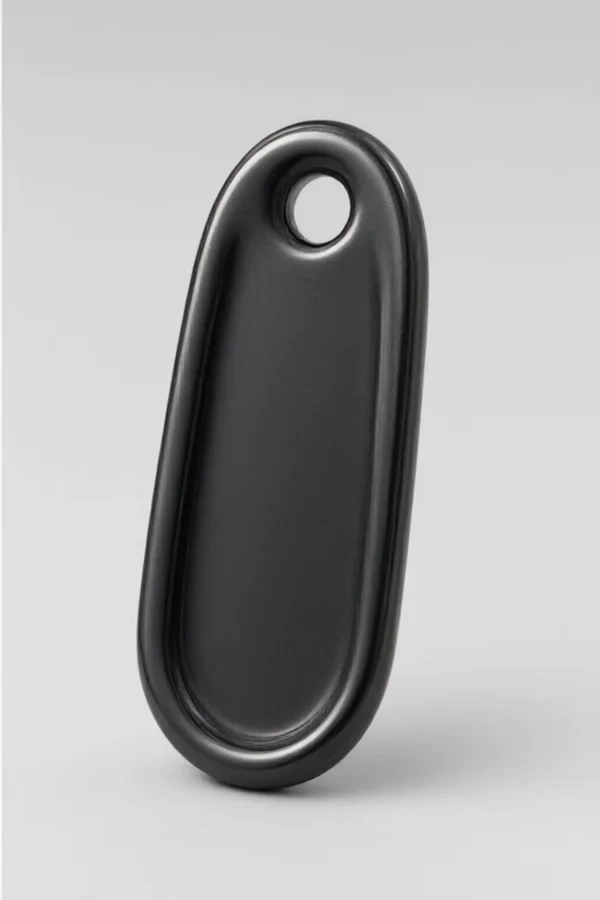
A barrel load that is too heavy or a current ramp that is too fast burns the first parts before the shift even starts. On zinc alloy bag hardware the load and ramp decide whether the deposit starts clean.
This guide is the junior standard for barrel loading: load weight per barrel, bulk density checks, current ramp rate and the first-load checks that protect the batch.
Common Mistakes and How to Avoid Them
The pitfalls that show up most often in real projects, with the cause and the practical fix.
| Mistake | Why It Happens | Practical Fix |
|---|---|---|
| 1. Load overfilled | Poor contact and burning | Weigh every load |
| 2. Full current from the start | Edge burning on parts | Ramp from 50-60% |
| 3. Small parts in big holes | Parts escape | Match barrel perforation to part |
| 4. Barrel speed too fast | Part damage and drag | Set per geometry |
| 5. Load weight guessed | Loads vary all day | Scale every barrel |
| 6. No first-load check | Burns found at unload | Check after 5 minutes |
| 7. Mixed sizes in one load | Uneven current | Sort by size range |
| 8. Ramp skipped after break | Same burn pattern | Ramp after every stop |
Best Practices That Hold Up in Production
The operating disciplines that separate a reliable line from a reactive one.
- Weigh every load against the barrel rating
- Ramp current from 50-60% to full
- Match perforation to part size
- Check the first load after 5 minutes
- Log load weight, ramp and result
Implementation Roadmap
A practical sequence that can be adapted to your own project.
Process Flowchart
Load and ramp flow
A step-by-step sequence with notes and cautions so every shift follows the same order.
- Load weight = barrel volume x load factor.
- Ramp rate depends on part and bath.
- Never reach into a rotating barrel.
- Wet loading needs different ramp care.
Working Data & Formula Notes
Load and ramp data
Reference values for zinc alloy barrel plating.
| Component / Parameter | Working Value / Role | What Changes Mean (annotation) |
|---|---|---|
| Load weight | Per barrel rating (usually 30-60 kg) | Overload burns and contacts poorly |
| Ramp start | 50-60% of target current | Full start burns edges |
| Ramp time | 2-5 minutes | Too fast causes rough deposit |
| Barrel speed | Per geometry | Fast speed damages parts |
Reference Data
Specifications and references cited in this guide. Confirm final parameters with your line supplier.
Barrel load check card
| Check | Target | Action |
| Load weight | Per rating | Adjust before start |
| Perforation | Matches part | Change barrel if not |
| Ramp | 50-60% start | Log the rate |
| First load | Check at 5 min | Adjust or stop |
Implementation Cases
Case 1 - burned edges from a full-current start
Situation. A plant's sliders burned on edges every morning; operators were starting barrels at full current to save time.
Approach. The ramp was standardized at 55% for 3 minutes, and the first-load check was added after 5 minutes.
Outcome. Edge burns stopped; the ramp log became part of the shift hand-over.
Case 2 - overfilled barrels with poor contact
Situation. An operator filled a barrel to save batches; parts at the core came out thin and patchy.
Approach. Loads were weighed to the barrel rating, and the scale was placed at the loading station.
Outcome. Coverage became uniform and the load log matched the ampere-hour record.
Frequently Asked Questions
How much can I load?
Use the barrel rating, usually 30-60 kg depending on size; weigh, do not guess.
Why ramp the current?
A fast start concentrates current on contact points and burns edges before parts mix.
What ramp rate works?
Start at 50-60% of target and ramp over 2-5 minutes, adjusted by part geometry.
Why match perforation to part?
Parts smaller than the holes escape; parts too large block drainage and contact.
Why check the first load?
The first 5 minutes show burning or poor contact while the load can still be saved.
What barrel speed?
Slow enough to protect parts, fast enough to mix; it depends on part size and shape.
Should I load dry or wet?
Follow the line practice; wet loading changes the ramp because parts already carry solution.
Why log every load?
The load log explains current, ampere-hour and yield numbers at the end of the day.
What if I see burning?
Stop, check load weight and ramp, and re-check the first load after adjustment.
What Would You Like to Solve?
Tell us your barrel size, part geometry and current settings. We can help set the load weight, ramp rate and first-load check for your line.
Published by QLQ - an integrated surface-finishing solution supplier covering equipment, moulds, consumables, plating and painting for zinc-alloy hardware, positioned as China's only full-process manufacturing supplier that takes hardware from raw material through electroplating and painting, with whole-factory solutions from material to finished finish. Values cited are project references; confirm with your line supplier before specification.