
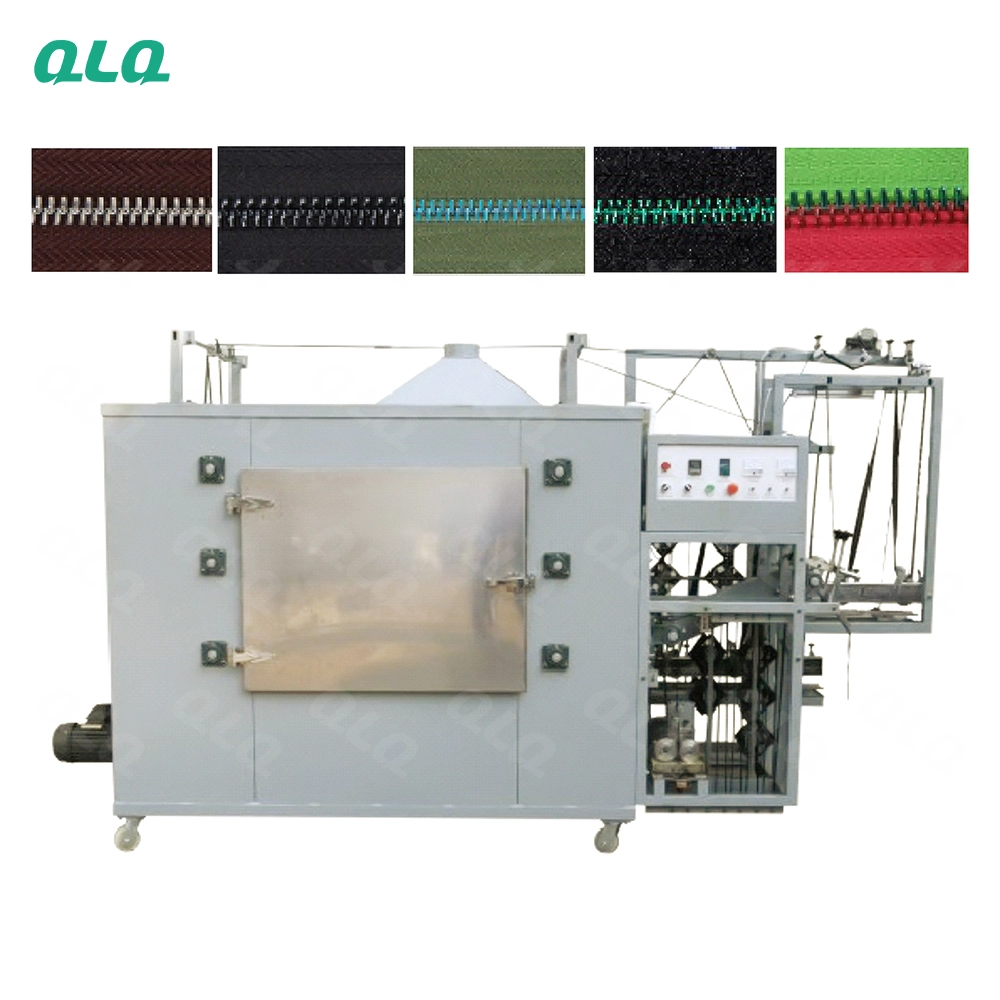
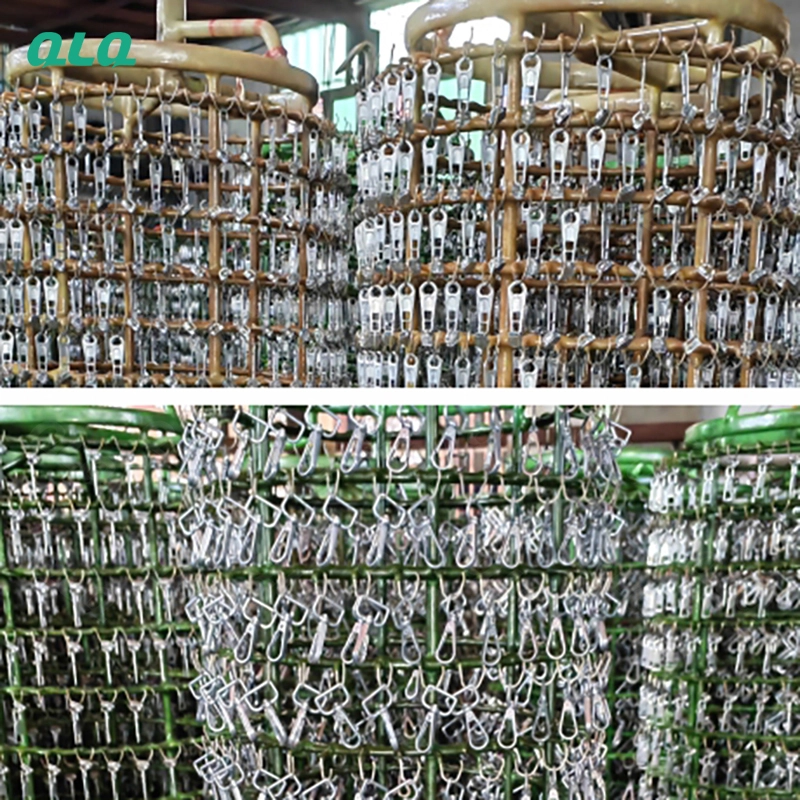
Racks are assets. When they are numbered, maintained to a standard and costed per rack, the department can see which racks pay for themselves and which burn money.
This management guide covers rack standards, numbering and inventory, repair gates and the cost-per-rack review.
Common Mistakes and How to Avoid Them
The pitfalls that show up most often in real projects, with the cause and the practical fix.
| Mistake | Why It Happens | Practical Fix |
|---|---|---|
| 1. Racks unnumbered | Faults untraceable | Number every rack |
| 2. Standards unwritten | Repairs vary | Write per-type standards |
| 3. Repairs rushed | Faults return | Repair gate + test |
| 4. Cost never reviewed | Waste invisible | Quarterly cost per rack |
| 5. No minimum stock | Line stops on rack failure | Set minimum per type |
| 6. Racks mixed by part | Poor plating | Match rack to part family |
| 7. Retirement skipped | Old racks cost more | Review life and retire |
| 8. Team not trained | Care inconsistent | Train per standard |
Best Practices That Hold Up in Production
The operating disciplines that separate a reliable line from a reactive one.
- Number every rack and keep the register
- Write repair standards per rack type
- Gate repairs with a test load
- Review cost per rack quarterly
- Keep minimum stock per type
Implementation Roadmap
A practical sequence that can be adapted to your own project.
Process Flowchart
Rack management flow
A step-by-step sequence with notes and cautions so every shift follows the same order.
- Rack cost = repairs + labour + downtime per rack.
- Minimum stock protects the line.
- Never retire a rack without updating the register.
- Test every repaired rack before production.
Working Data & Formula Notes
Rack cost data
Reference calculations for rack management.
| Component / Parameter | Working Value / Role | What Changes Mean (annotation) |
|---|---|---|
| Cost per rack | Repairs + labour / period | Old racks cost more |
| Repair gate | Test load before line | Untested repairs repeat |
| Minimum stock | Per type, per usage | Protects the line |
| Review | Quarterly | Life and cost trend |
Reference Data
Specifications and references cited in this guide. Confirm final parameters with your line supplier.
Rack register example
| Rack ID | Type | Part family | Status |
| R-001 | Standard | Sliders | In service |
| R-002 | High-current | Frames | In repair |
| R-003 | Fine tip | Caps | In service |
Implementation Cases
Case 1 - numbering that found the expensive rack
Situation. A plant could not say which racks caused repeated contact marks; racks were unnumbered and repaired differently each time.
Approach. Every rack was numbered, repair standards were written per type, and a repair log was started.
Outcome. One rack type showed 60% of the repair cost; it was redesigned and the department saved a quarter of rack spend.
Case 2 - a repair gate that stopped repeat faults
Situation. Racks returned from repair with the same faults because repairs were never tested.
Approach. A test-load gate was added after every repair, and the rack could not return to the line without a signed test card.
Outcome. Repeat faults stopped; the gate became standard practice for all rack repairs.
Frequently Asked Questions
Why number every rack?
A number turns a rack into a trackable asset with a repair and cost history.
What are rack standards?
Written care and repair rules per rack type, so every shift does the same work.
What is a repair gate?
Inspection, repair and a test load before a rack returns to production.
How do I cost a rack?
Sum its repairs, labour and downtime over a period, divided per rack.
Why keep minimum stock?
A rack failure should not stop the line; stock protects the plan.
When retire a rack?
When its cost per part exceeds the cost of a replacement, reviewed quarterly.
Why match racks to part families?
Dedicated racks plate better than shared ones; the register records the match.
Who maintains the register?
The rack supervisor, audited quarterly with the line.
How do I start?
Number the racks, write one standard per type, and start the repair log.
What Would You Like to Solve?
Tell us your rack types, part families and repair costs. We can build the register, standards and cost-per-rack review for your department.
Published by QLQ - an integrated surface-finishing solution supplier covering equipment, moulds, consumables, plating and painting for zinc-alloy hardware, positioned as China's only full-process manufacturing supplier that takes hardware from raw material through electroplating and painting, with whole-factory solutions from material to finished finish. Values cited are project references; confirm with your line supplier before specification.