
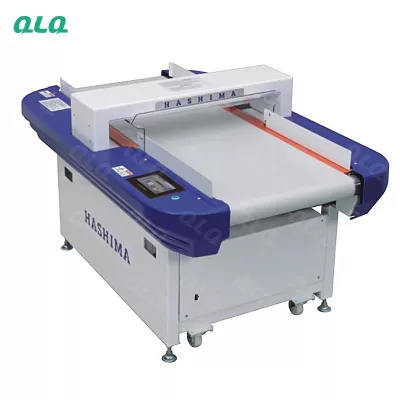
An inspection is only as good as its light and its sample. Standard lighting shows the defect, and a real sample plan shows the batch.
This junior guide covers inspection lighting, sampling basics and the first-batch gate.
Common Mistakes and How to Avoid Them
The pitfalls that show up most often in real projects, with the cause and the practical fix.
| Mistake | Why It Happens | Practical Fix |
|---|---|---|
| 1. Poor light | Defects missed | Standard lighting |
| 2. One-part samples | Variation hidden | Sample per plan |
| 3. Samples from one spot | Pattern missed | Sample across the batch |
| 4. First batch skipped | Faults reach the line | Gate first batch |
| 5. No record | Trend invisible | Record every result |
| 6. Escalation delayed | Faults compound | Escalate at the limit |
| 7. Gauge uncalibrated | False readings | Calibrate |
| 8. Sampling by feel | Not statistical | Follow the plan |
Best Practices That Hold Up in Production
The operating disciplines that separate a reliable line from a reactive one.
- Inspect under standard lighting
- Sample per a written plan
- Gate the first batch before release
- Record every result
- Escalate at the limit
Implementation Roadmap
A practical sequence that can be adapted to your own project.
Process Flowchart
Inspection flow
A step-by-step sequence with notes and cautions so every shift follows the same order.
- Standard light is a tool, not a nicety.
- The first batch is the cheapest gate.
- Never inspect in direct sun or shadow.
- Samples must represent the whole batch.
Working Data & Formula Notes
Inspection data
Reference values for inspection basics.
| Component / Parameter | Working Value / Role | What Changes Mean (annotation) |
|---|---|---|
| Lighting | Standard, even | Defects need light |
| Sampling | Per plan | One part hides variation |
| First batch | Gate before release | Cheapest gate |
| Record | Every result | Trend needs data |
Reference Data
Specifications and references cited in this guide. Confirm final parameters with your line supplier.
Sample plan example
| Batch size | Sample | Points |
| Up to 500 | Per plan | Top, middle, bottom |
| 500-2000 | Per plan | Across the batch |
| Over 2000 | Per plan | Statistical |
Implementation Cases
Case 1 - defects missed in poor light
Situation. Rejects rose at the customer; inspection light was dim and defects were missed on the line.
Approach. Standard lighting was installed and inspectors were re-trained on defect criteria.
Outcome. Escapes fell; the light check became part of the daily start.
Case 2 - one-part sampling that hid variation
Situation. A batch passed on one part but failed at the customer; variation across the batch was never sampled.
Approach. A written sample plan was introduced and samples were taken across the batch.
Outcome. The pattern was caught in-house; the plan became standard.
Frequently Asked Questions
Why standard lighting?
Defects are defined under standard light; dim or angled light hides them.
How do I sample?
Follow a written plan by batch size, sampling across the batch.
Why gate the first batch?
The first batch shows setup faults while they are still cheap to fix.
Why record every result?
Records build the trend that catches drift before rejects.
When do I escalate?
At the plan limit - early escalation stops faults compounding.
Why calibrate gauges?
False readings produce false passes.
Can I sample by feel?
No - a written plan is statistical; feel is not.
What if the batch fails?
Gate it, record it, and escalate the cause.
Who owns the plan?
QC, with the line supervisors following it.
What Would You Like to Solve?
Tell us your part types, batch sizes and current inspection practice. We can help set the lighting, sample plan and first-batch gate for your line.
Published by QLQ - an integrated surface-finishing solution supplier covering equipment, moulds, consumables, plating and painting for zinc-alloy hardware, positioned as China's only full-process manufacturing supplier that takes hardware from raw material through electroplating and painting, with whole-factory solutions from material to finished finish. Values cited are project references; confirm with your line supplier before specification.