
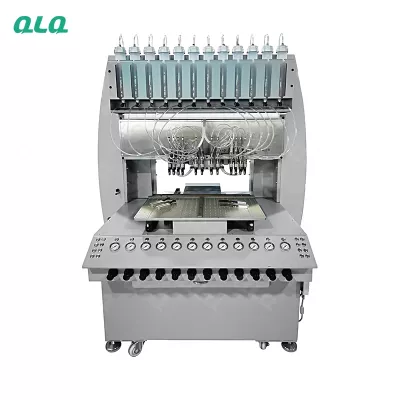
An e-coat line is commissioned in systems, not in one switch-on: rectifier, DI water, bath, UF, bake oven and the first-article trials. Each system must be proven before the next, and the first articles tell you whether the windows are right. Skip a system and you debug the whole line at once.
This guide gives the commissioning sequence for an e-coat line, with the check at each stage and what the first articles must prove.
Common Mistakes and How to Avoid Them
The pitfalls that show up most often in real projects, with the cause and the practical fix.
| Mistake | Why It Happens | Practical Fix |
|---|---|---|
| 1. Filling the bath before utilities are proven | Stops the whole project | Prove power, water, air first |
| 2. Skipping rectifier calibration | Voltage readings mislead | Calibrate and log before the bath |
| 3. DI water below spec | Conductivity problems from day one | Verify DI before make-up |
| 4. Bath make-up by guess | Windows wrong from the start | Make up by analysis to the spec |
| 5. No UF before production | Rinsing and de-ageing missing | Commission UF with the bath |
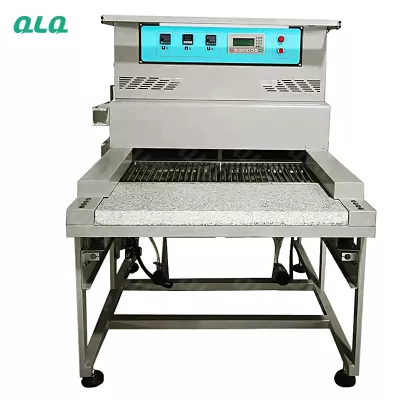
| 6. Bake oven not profiled | First articles under-cured | Profile metal before trials |
| 7. First articles without tests | Defects found later | Test film, adhesion, salt spray |
| 8. Rushing to production | Debugging during orders | Stabilise one product first |
| 9. No trial-part record | Set-up not repeatable | Log windows and results |
| 10. Training after commissioning | Operators learn by errors | Train before production |
Best Practices That Hold Up in Production
The operating disciplines that separate a reliable line from a reactive one.
- Commission in system order: utilities, rectifier, DI, bath, UF, bake
- Calibrate the rectifier and log it
- Verify DI water before make-up
- Make up the bath by analysis to spec
- Commission UF with the bath
- Profile the bake oven before trials
- Test every first article: film, adhesion, salt spray
- Train operators before production starts
Implementation Roadmap
A practical sequence that can be adapted to your own project.
Working Data & Formula Notes
Working data - commissioning targets
The annotations explain what each target protects, so a first-article failure points to the system that was skipped.
| Component / Parameter | Working Value / Role | What Changes Mean (annotation) |
|---|---|---|
| DI water | < 10 uS/cm | Hard water in make-up raises conductivity and defects from day one. |
| Rectifier | Calibrated, logged | Uncalibrated voltage makes every later diagnosis guesswork. |
| Bath make-up | By analysis to spec | Solids/pH/conductivity wrong at start mean every trial fails at a different window. |
| UF | Flow and discharge set | Without UF, rinsing and de-ageing are missing - film thins and the bath ages fast. |
| Bake | 160-200 C metal, profiled | An unprofiled oven under-cures or over-cures the first articles. |
| First articles | Film 15-30 um, adhesion 5B, salt spray 200-500 h | These three tests prove the whole stack before production. |
Reference Data
Specifications and references cited in this guide. Confirm final parameters with your line supplier.
First-article failure to system
| Thin film | Bath solids or rectifier voltage/time |
| Rough film / rupture | Conductivity or voltage |
| Adhesion fail | Bake or pre-treatment |
| Craters | Rinsing or contamination |
| Salt spray fail | Film build or bake |
Commissioning record
| Utilities | Power, DI, air verified |
| Rectifier | Calibration log |
| Bath | Make-up analysis |
| UF | Flow and discharge set |
| Bake | Metal profile |
| First articles | Film, adhesion, salt spray |
Implementation Cases
Case 1 - the line that started before the oven profile
Situation. A new e-coat line ran first articles with good film but failed adhesion - the shop suspected the bath.
Approach. Oven profiling showed peak metal 20 C below the window at production load. The oven was set to the profile and re-trialled.
Outcome. Adhesion passed once the bake met the metal window - a commissioning order fix, not a chemistry fix.
Case 2 - DI water skipped at make-up
Situation. A line started with hard-water make-up and fought conductivity from the first day.
Approach. The bath was re-made with verified DI water and the DI system put on the daily log.
Outcome. Conductivity stabilised, and the line stopped burning UF discharge to compensate.
Frequently Asked Questions
What order should I commission an e-coat line?
Utilities, rectifier, DI water, bath, UF, bake oven, then first articles. Each system must be proven before the next.
Why calibrate the rectifier first?
Every later diagnosis depends on voltage and current readings. Uncalibrated, you cannot tell electrical from chemical causes.
What DI water quality do I need?
Below 10 uS/cm for make-up and the final rinse. Hard water at make-up causes conductivity problems from day one.
Should UF be commissioned with the bath?
Yes - the UF rinse and discharge are part of the bath system, not an add-on later.
What must first articles prove?
Film thickness 15-30 um, adhesion (cross-cut 5B), appearance, and a salt-spray sample at the stack target.
Why do first articles fail adhesion?
Usually the bake profile or pre-treatment. Profile metal temperature before changing chemistry.
How do I avoid debugging during production?
Stabilise one product first: same rack, same windows, three consecutive passing batches before scaling.
When should operators be trained?
Before production. Training during commissioning means the first orders run on error.
What records should commissioning leave?
Utilities, rectifier calibration, bath make-up analysis, UF settings, bake profile and first-article tests - a complete hand-over file.
Who can help commission an e-coat line?
E-coat process engineers can guide the system-by-system sequence and first-article gates - share your line layout and equipment list.
What Would You Like to Solve?
Commissioning order decides whether you debug systems or debug production. If you share the line layout and equipment list, we can help you build the system-by-system sequence and the first-article gates before you start.
Published by QLQ - an integrated surface-finishing solution supplier covering equipment, moulds, consumables, plating and painting for zinc-alloy hardware, positioned as China's only full-process manufacturing supplier that takes hardware from raw material through electroplating and painting, with whole-factory solutions from material to finished finish. Values cited are project references; confirm with your line supplier before specification.